
Last updated November 15, 2026
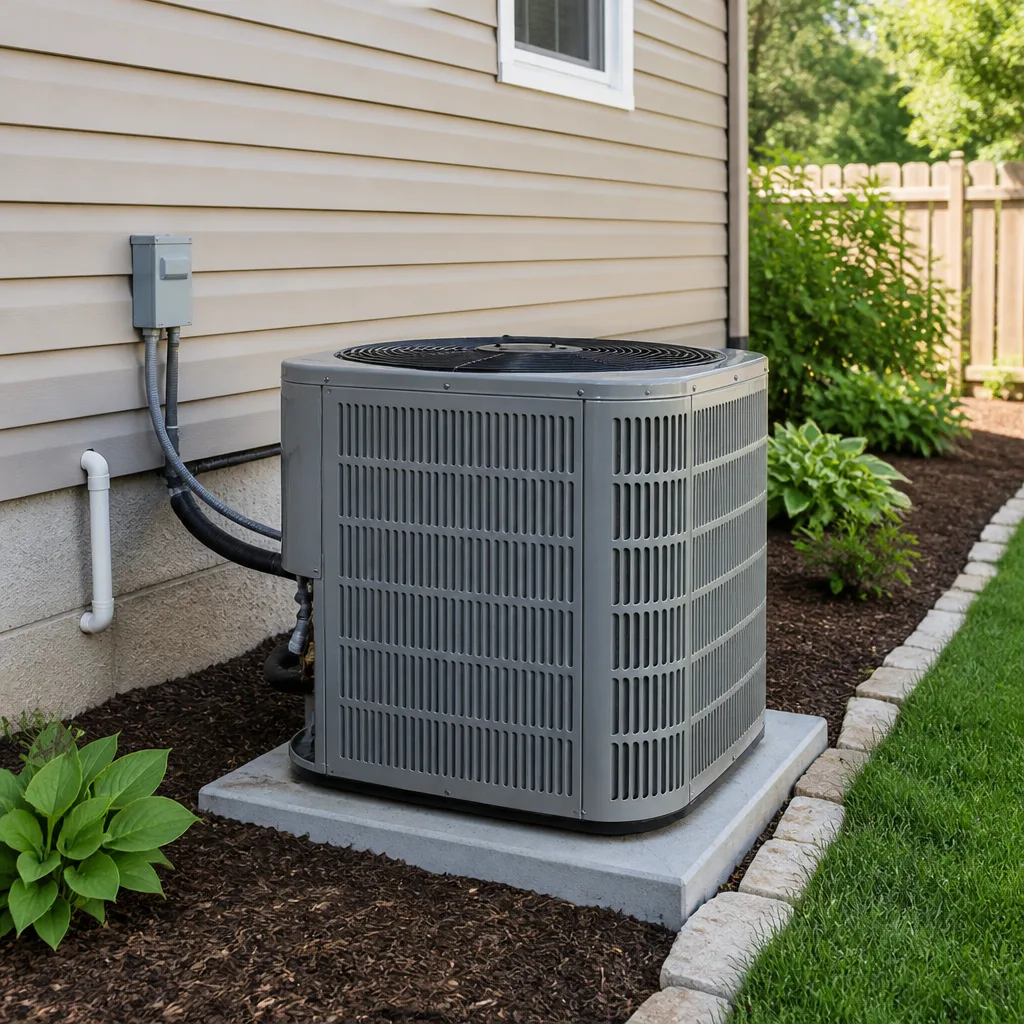 AC repair
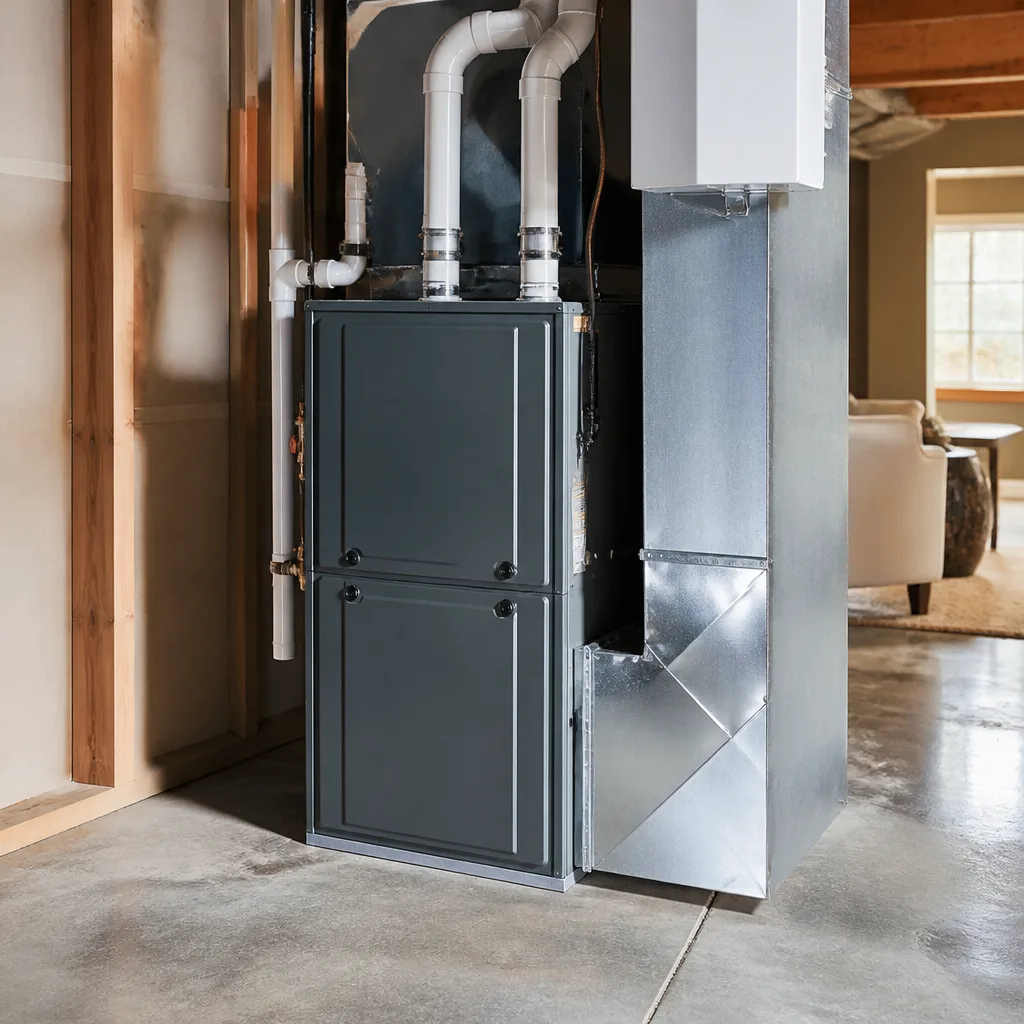 Furnace & heating
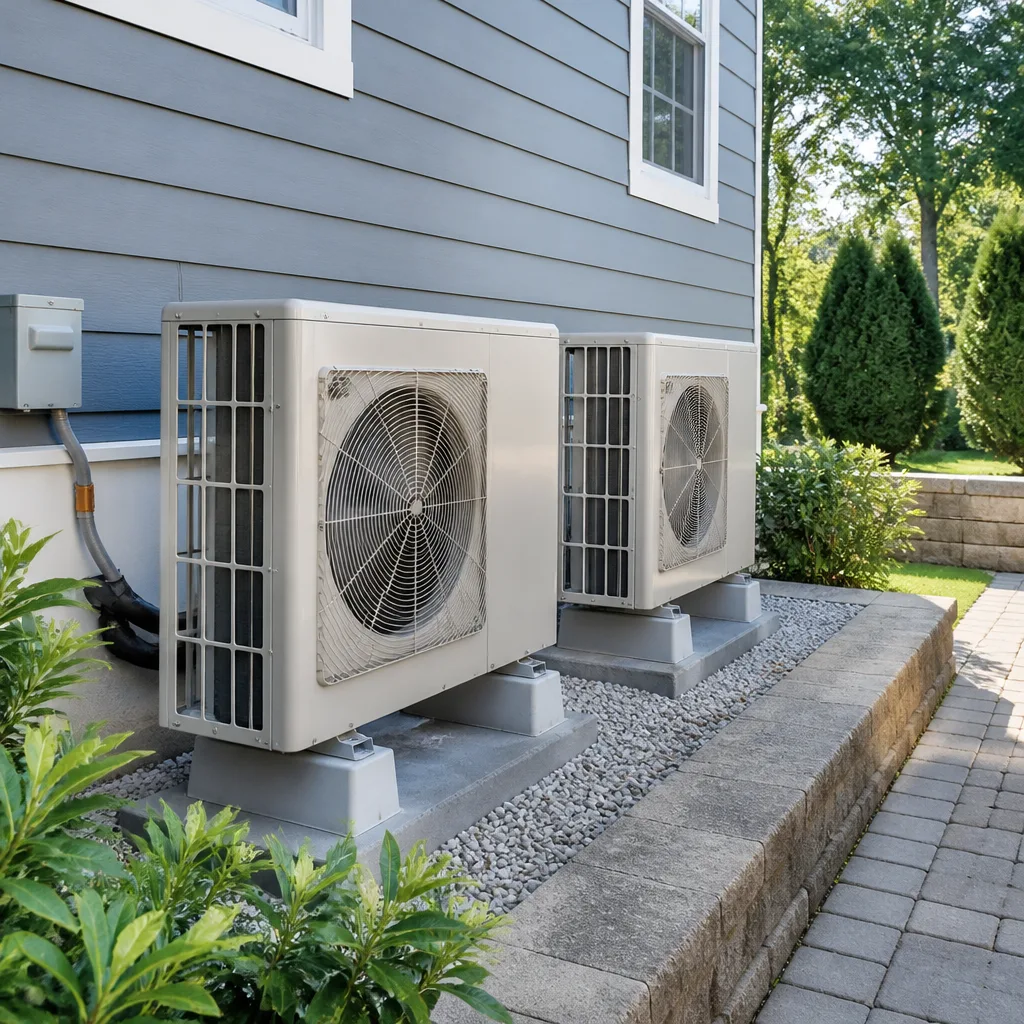 Heat pumps
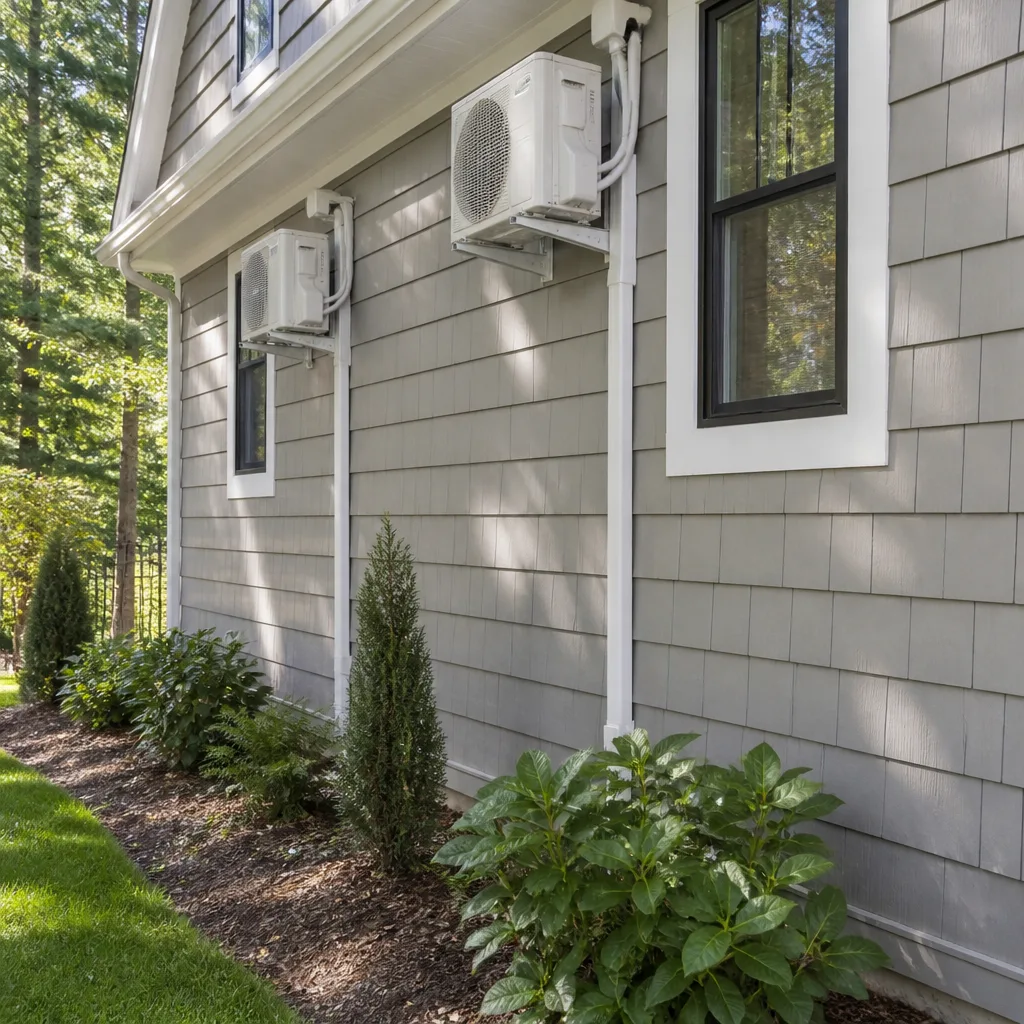 Ductless mini splits
 Carrier
 Trane
 Goodman
Seasonal tune-up and full diagnostic on your Carrier, Trane, or Goodman system - readings shown to you before any repair is proposed
Diagnosis first, numbers second - you approve the repair price before a single part goes in.
Get your free estimateThe Complete AC Installation Guide for Coral Springs Homeowners
Most AC installation guides are written for a composite American climate. That’s a problem here. Coral Springs sits in a subtropical pocket where the air stays heavy with moisture most of the year, where attics bake through the summer afternoons, and where the local building department treats a cooling system as part of the structure of your house, not an appliance you swap in. Advice built for a mild four-season climate can steer you toward the wrong equipment, the wrong placement, and a permit shortcut that costs you later. This guide translates the national standards into decisions that actually hold up in Broward County, from load calculations to coil materials to refrigerant changes. By the end you’ll know what to ask, what to verify, and what a good Coral Springs installation looks like.
Quick Answer
A successful AC installation in Coral Springs starts with a room-by-room load calculation, not a guess based on square footage, and it finishes with a permitted, inspected job that accounts for year-round humidity. The right system for this climate is sized to your actual house, sealed properly to keep moisture out, and chosen for materials that resist corrosion in a damp environment. Skipping any of those steps is what turns a new unit into a five-year problem.
Styles & brands we work with
- AC repair
- Furnace & heating
- Heat pumps
- Ductless mini splits
- Carrier
- Trane
- Goodman
Table of Contents
- Why a Load Calculation Matters More Here Than Up North
- Coil and Cabinet Materials That Survive a Coral Springs Installation
- Florida Building Code and the Broward County Permit Process
- Attic Versus Ground-Level Air Handler Placement
- The Refrigerant Transition: R-22 to R-410A to R-454B
- Choosing a SEER Rating for a Humid Climate
- What the Installation Process Actually Looks Like
- How Brand Choice Fits Into the Decision
Why a Load Calculation Matters More Here Than Up North
An oversized air conditioner is a real risk in Florida, and it’s the one contractors miss most often. When a system is too big for the house, it cools the air quickly and shuts off before it has time to pull the moisture out. You end up with a house that feels cold and clammy at the same time, and that sticky feeling is the system doing exactly what it was designed to do with the wrong capacity.
The tool that prevents this is a Manual J load calculation. It measures your home room by room using window count and orientation, wall and ceiling insulation, attic conditions, air infiltration, and the local design temperatures. In colder climates a size mismatch mostly means uneven temperatures. Here it means mold risk, warped trim, and a house that never quite feels dry. In our experience, that difference is why we treat Manual J as the starting point rather than an optional add-on.
Here’s how to verify your contractor actually ran one:
- Ask to see the report before you sign anything. A real Manual J produces a room-by-room sheet with heat gain figures, not a single number on a napkin.
- Confirm they measured windows and doors in person or from a detailed plan. If they never walked the house or asked for dimensions, they guessed.
- Check that the report accounts for your attic and ceiling insulation, not just floor area.
- Ask what design temperature they used for the Coral Springs area. A contractor who can explain it has done the work.
- Make sure the equipment recommendation matches the calculated tonnage. If the report says 3 tons and the quote says 4, ask why.
A properly sized system runs longer cycles, which feels counterintuitive until you understand that long runs are what remove humidity. That’s the whole game in this climate.
Coil and Cabinet Materials That Survive a Coral Springs Installation
Moisture is the quiet enemy of an AC system. Every time the unit runs, the indoor coil is wet, and over years that constant damp environment eats away at cheaper metals. The materials you choose at installation determine whether your system is still solid well past a decade or showing corrosion within a handful of summers.
What holds up and what doesn’t, in our experience:
- Copper tubing with aluminum fins is the industry standard and performs well when the coil is kept clean and the condensate drains properly.
- All-aluminum coils resist corrosion better and are increasingly common in coastal and humid regions where the air carries moisture and airborne particles.
- Coated or treated coils add a protective layer that extends life in high-humidity settings, and they’re worth asking about if the system sits in a damp attic or near an open garage.
- Galvanized steel cabinets are common but can rust at seams and fasteners in a wet attic. Powder-coated cabinets hold up better over time.
- Cheap untreated sheet-metal housings are the ones we see rusting first, often at the bottom pan where condensate collects.
The other material decision that matters is duct sealing. In a humid climate, leaky ducts pull moist attic air into the supply side, which can fog the vents and wet the insulation. Sealing every joint with mastic or proper tape, not just the obvious ones, is what keeps the system dry. This is where a careful Coral Springs installation separates itself from a quick swap.
Florida Building Code and the Broward County Permit Process
An AC replacement in Coral Springs requires a permit, and the inspection that comes with it protects you in ways that are easy to overlook until something goes wrong. The permit process verifies that the equipment is properly sized, that the electrical connection is safe, that the condensate is drained correctly, and that the installation matches the manufacturer’s specifications. Skipping it doesn’t save anyone; it just moves the risk onto the homeowner.
What typically gets inspected in a Broward County AC permit:
- Equipment match. The indoor coil, outdoor condenser, and air handler must be a matched set from the manufacturer’s ratings, which affects both efficiency and warranty.
- Electrical. The disconnect, breaker size, and wiring are checked against the unit’s requirements.
- Condensate management. The drain line, float switch, and secondary drain or pan must be correct, because a clogged drain in a Florida attic can cause serious water damage.
- Refrigerant lines and charge. Line sizing, insulation, and the leak test are verified.
- Ductwork where altered. Any changes to the distribution system are inspected for sealing and support.
What gets flagged most often is a mismatched coil and condenser, an undersized electrical disconnect, and condensate lines that drain to the wrong place. All three are easy to fix before the final inspection and painful to discover afterward. Ask your contractor for the permit number before work starts so you can confirm it was pulled under your address.
If you want a crew that handles the permit and the inspection paperwork as part of the job, that’s what AC installation with us looks like. The price is set per job by the written estimate.
Attic Versus Ground-Level Air Handler Placement
Where the air handler lives changes how hard the system has to work and how long it lasts. In Coral Springs, attic air can climb well past 140°F on a summer afternoon, and an air handler sitting in that heat loses efficiency before the cooled air ever reaches your rooms. The equipment has to reject heat into an environment that’s already hotter than the conditioned space, and that takes a toll over years.
The tradeoffs, plainly:
- Attic placement keeps the unit out of living space and is common in Florida homes, but it exposes the equipment to extreme heat, makes service harder, and stresses the cabinet and coil with temperature swings.
- Ground-level or closet placement runs cooler and is easier to service, which usually means better long-term reliability and less stress on the components. It’s not always possible depending on the home’s layout.
- Garage placement sits between the two. It’s cooler than an attic but can be humid, so drainage and sealing matter.
If the air handler has to stay in the attic, the insulation and radiant barrier above it matter as much as the unit itself. A well-sealed attic, a properly sized return, and insulated refrigerant lines make an attic install workable. A bare attic with a big unsealed return will undo a good system. Ask your contractor to walk you through the attic conditions before they commit to placement, because moving the equipment later is a much bigger job than planning for it now.
The Refrigerant Transition: R-22 to R-410A to R-454B
Refrigerant rules have changed twice in recent memory, and where you sit in that timeline affects what you should buy. R-22 is phased out and no longer produced for new equipment, so any system using it is running on recovered or stockpiled supply and will get more expensive to service. R-410A has been the standard for years and remains widely available. R-454B is the newer low-global-warming refrigerant now entering the market, and systems designed for it are becoming the default for new installations.
What this means for your decision:
- Buying now: You’ll most likely be quoted R-410A or R-454B equipment. Both work well. R-410A systems are proven and widely serviced; R-454B systems are the forward-looking choice and are built to the newer standard.
- Buying in a few years: Expect R-454B to be the norm. If you’re replacing a system in roughly three years, planning for that refrigerant now avoids a mismatch when the time comes.
- Servicing an R-22 system: Repair is possible but the refrigerant supply is limited, so cost and availability get less predictable. When a major component fails, replacement usually makes more financial sense than chasing R-22.
The key point is that refrigerant compatibility has to match across the indoor and outdoor units. Mixing refrigerants or mismatching components voids warranties and creates real safety issues. A contractor who can explain the refrigerant in your quote and why they chose it is a contractor who knows what they’re doing.
Choosing a SEER Rating for a Humid Climate
Higher SEER ratings save energy, but the return on that extra money depends on how much the system runs and how well the house holds its temperature. In a hot, humid climate like Coral Springs, the cooling season is long, so efficiency gains compound over the year. The mistake is paying for the highest rating on the sheet while ignoring the installation quality that determines whether you ever see those savings.
What we tell homeowners:
- A well-installed mid-range system usually beats a poorly installed high-efficiency one. Duct sealing, correct charge, and proper sizing matter more than the last few points of SEER.
- Humidity control is a separate feature from efficiency. Some systems manage moisture better through variable-speed blowers and longer run times, and in this climate that’s worth weighing alongside the rating.
- Ask for the actual efficiency figure for the matched system, not just the outdoor unit’s rating. The number that matters is the combination.
Higher efficiency costs more upfront and pays back over years, so the right choice depends on how long you plan to stay and how leaky the house is. That’s a conversation, not a brochure.
What the Installation Process Actually Looks Like
A full AC replacement in Coral Springs usually runs across a couple of visits. The first is the assessment and load calculation, where the contractor measures the house and inspects the existing ductwork, electrical, and drain. The second is the removal of the old equipment and the installation of the new, followed by a separate inspection visit from the county.
- Assessment and Manual J. The contractor measures the home and checks the existing setup, then produces a written proposal with a fixed price.
- Permit filing. The permit is pulled under your address before any work begins.
- Removal. The old condenser, air handler, and any failing line sets come out. Refrigerant is recovered properly.
- Installation. New equipment is set, electrical and drain are connected, refrigerant lines are run and pressure-tested, and the charge is set to the manufacturer’s specification.
- Ductwork and sealing. Any duct changes are sealed and insulated, and the return is checked for leaks.
- Commissioning. The system is started, airflow is measured, and the temperature split is verified.
- Inspection. The county inspects the work. Once it passes, the job is complete.
A good install takes time. If a quote promises a swap in a single afternoon with no load calculation and no permit, that’s the shortcut this guide is warning you about. The written estimate sets the final price, so ask for it in writing before work begins.
How Brand Choice Fits Into the Decision
The brand on the box matters less than the installation and the service behind it, but it’s still worth understanding. The nine most common systems in Broward County homes are Carrier, Trane, Lennox, Goodman, Rheem, York, Daikin, Bryant, and American Standard. If you already have one of these brands installed, staying with the same family can simplify parts and service. If you’re starting fresh, the choice should follow your home and budget, not a dealer incentive.
We work on your brand, whatever it is. Because our technicians are trained across all nine of those manufacturers, we’re not locked into selling you one label. A Rheem system, a York system, a Daikin or a Bryant all get the same diagnosis, and the recommendation follows what the house needs. That matters at installation time because a brand-neutral contractor can match equipment to your load calculation instead of steering you toward a particular product line. Nine major brands, zero brand bias is the whole promise.
Our technicians have up to 13 years of experience across these systems, and the same team also handles the furnace repair side of the house, so you don’t need a second company when the heating season comes. That single-company coverage is part of what we mean by Clover covers it. You can read more about how we work in the Coral Springs area.
Common Mistakes to Avoid
- Buying on square footage alone. A rule-of-thumb tonnage guess ignores insulation, windows, and infiltration, and in this climate the result is an oversized system that never dries the air. Insist on a Manual J report.
- Skipping the permit. An unpermitted install can complicate insurance, resale, and warranty claims, and it leaves the inspection that would have caught a mismatched coil or drain problem undone.
- Mismatching indoor and outdoor equipment. A bargain condenser paired with an old coil changes the efficiency rating and can shorten the system’s life. The matched set is what the manufacturer warrants.
- Placing the air handler in a baking attic without a plan. If the equipment has to sit where summer temperatures pass 140°F, the attic needs insulation and sealing, not just a new box.
- Ignoring the ductwork. Leaky ducts in a humid climate pull moist attic air into the supply, so the new system inherits the old problem. Sealing and insulation are part of the job.
- Chasing the highest SEER without checking the install. A premium unit on a sloppy install won’t deliver the savings, and the money is better spent on load calculation, sealing, and correct charge.
- Forgetting the refrigerant timeline. Buying without knowing whether you’re getting R-410A or R-454B, or mixing refrigerants across components, is a mistake that shows up in warranty and service years down the road.
See the difference
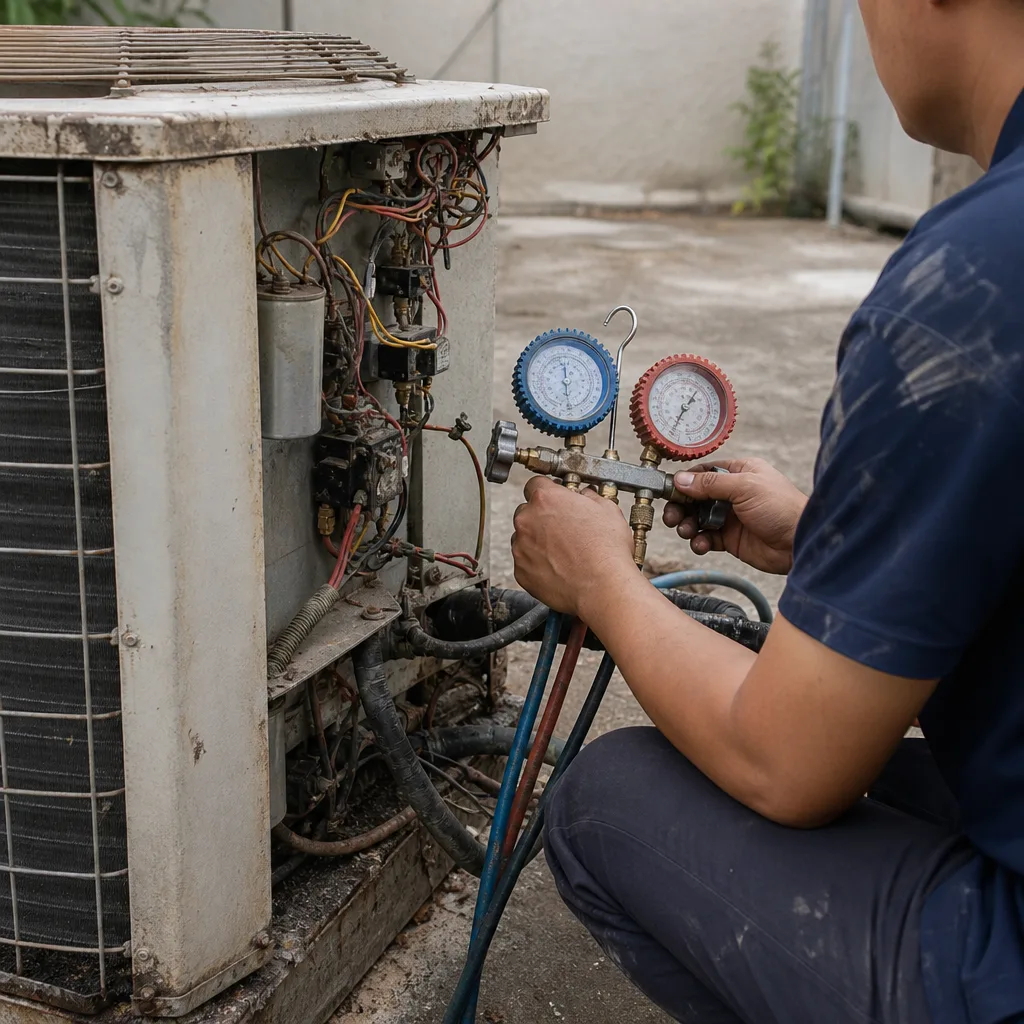 Before
 After
 Before
 After
 Before
 After
When to Call a Professional
Reach out when you’re planning a replacement, when a contractor’s quote doesn’t include a load calculation or a permit, or when an old system is limping through the summer and you need an honest repair-or-replace answer. These are the calls we take most in Coral Springs, and none of them require you to know the trade jargon beforehand. We’ll tell you which option actually makes sense for your house and your budget, and we’ll put the price in writing.
Clover AC Repair offers free estimates in Coral Springs. Call (833) 501-2993. We answer 24/7. Fast dispatch from 7am to 7pm, Sunday through Friday. Our technicians are trained on nine major brands and handle both sides of the system, so you have one company to call for cooling and heating.
Frequently Asked Questions
A full replacement usually takes one to two working days on site, plus the county inspection visit afterward. The exact time depends on whether the ductwork needs changes and whether the air handler is in an attic or a closet. The written estimate sets the final price, and Call (833) 501-2993 for an exact quote.
Yes. Broward County requires a permit for an AC replacement, and the inspection verifies equipment match, electrical, and condensate drainage. Skipping it leaves you without the record the county keeps and can complicate insurance and resale. We handle the permit as part of the job. Call (833) 501-2993 for an exact quote.
The right size comes from a Manual J load calculation that measures your home room by room, not from a square-footage rule. An oversized unit cools fast but leaves the air humid, which is the opposite of comfortable in this climate. Call (833) 501-2993 for an exact quote.
Repair usually makes sense when the system is younger, the repair is a minor component, and the refrigerant is still readily available. Replace when a major part like the compressor is failing on an older R-22 system or when repeated repairs are adding up. We offer repair and replacement, so you get an honest cost-benefit answer rather than a default recommendation. Call (833) 501-2993 for an exact quote.
We work on Carrier, Trane, Lennox, Goodman, Rheem, York, Daikin, Bryant, and American Standard, so whatever is already in your home we can service it and match a new system to it. That range means recommendations follow your budget and house, not a brand partnership. Call (833) 501-2993 for an exact quote.
It can, if the system is properly sized, sealed, and paired with ducts that don’t leak. Oversized units and leaky ducts are the two biggest causes of a clammy house, and both are addressed at installation rather than afterward. Ask for the load calculation and duct sealing in writing. Call (833) 501-2993 for an exact quote.
The Bottom Line
A good AC installation in Coral Springs is a series of decisions, not a single purchase. The load calculation comes first, because an oversized system fails this climate no matter how good the equipment is. Materials and placement decide how long the system lasts in a hot, damp attic. The permit and inspection protect your investment, and the refrigerant choice today sets up your next replacement. Bring those questions to the table, ask for the report and the written estimate, and the installation will hold up far longer than one chosen on price alone. We’re glad to walk through it with you, and one call covers both the Clover AC Repair cooling and heating work.
Call (833) 501-2993 for a free estimate. We answer 24/7. Fast dispatch from 7am to 7pm, Sunday through Friday.
Written by the team at Clover AC Repair.