
Last updated November 15, 2026
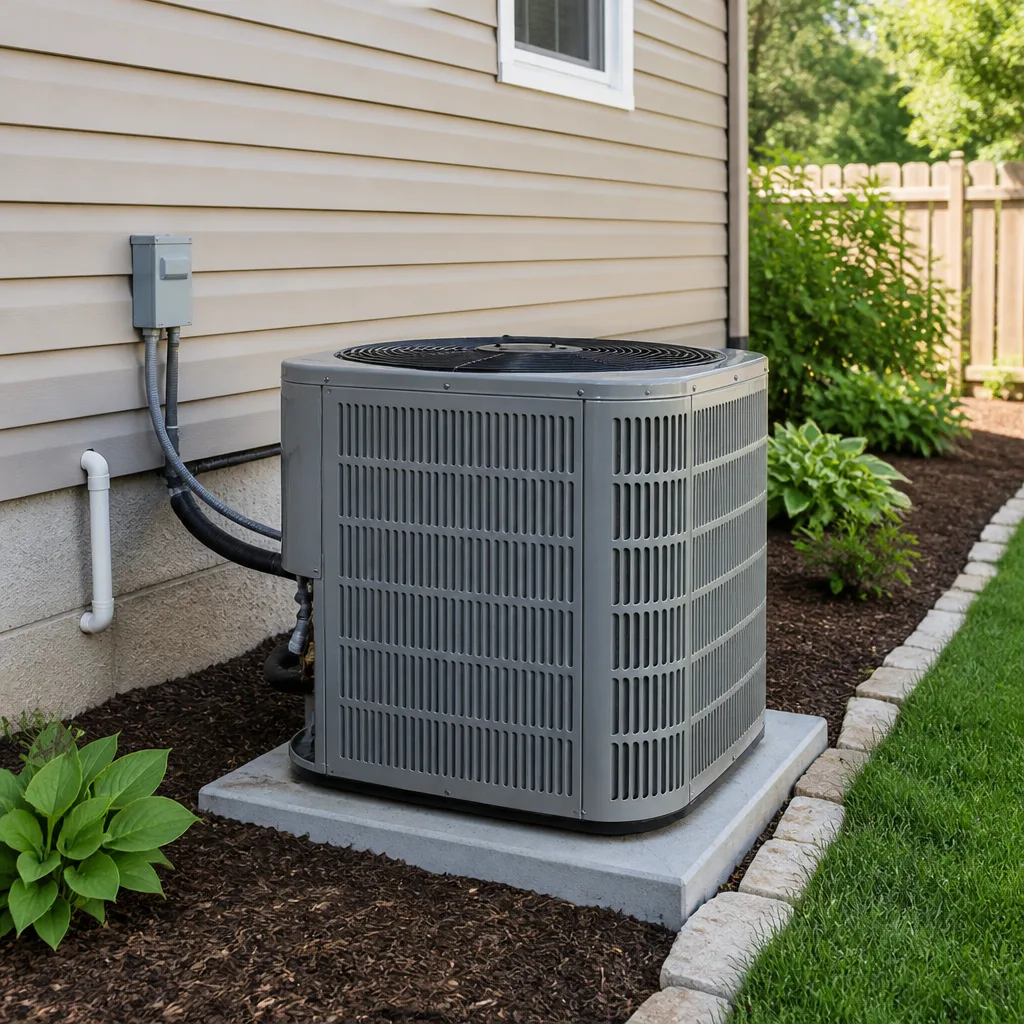 AC repair
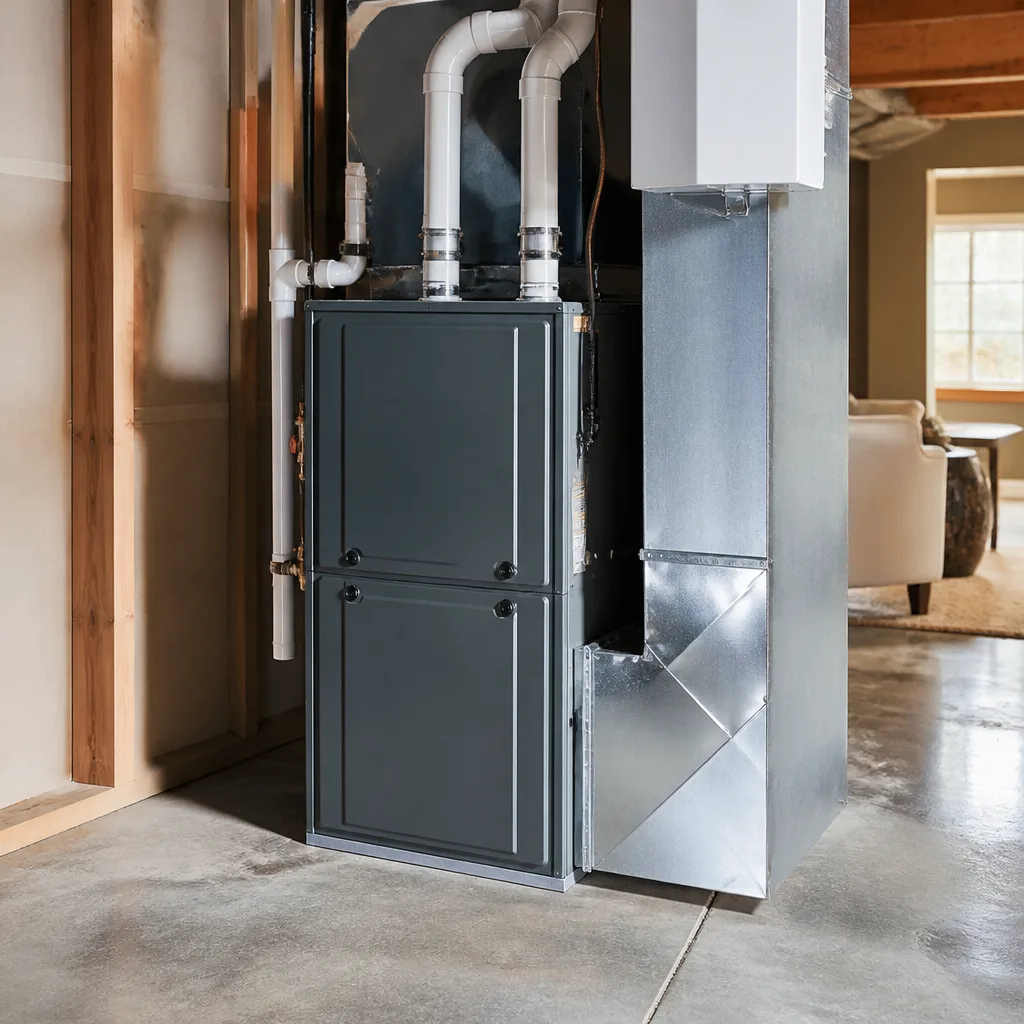 Furnace & heating
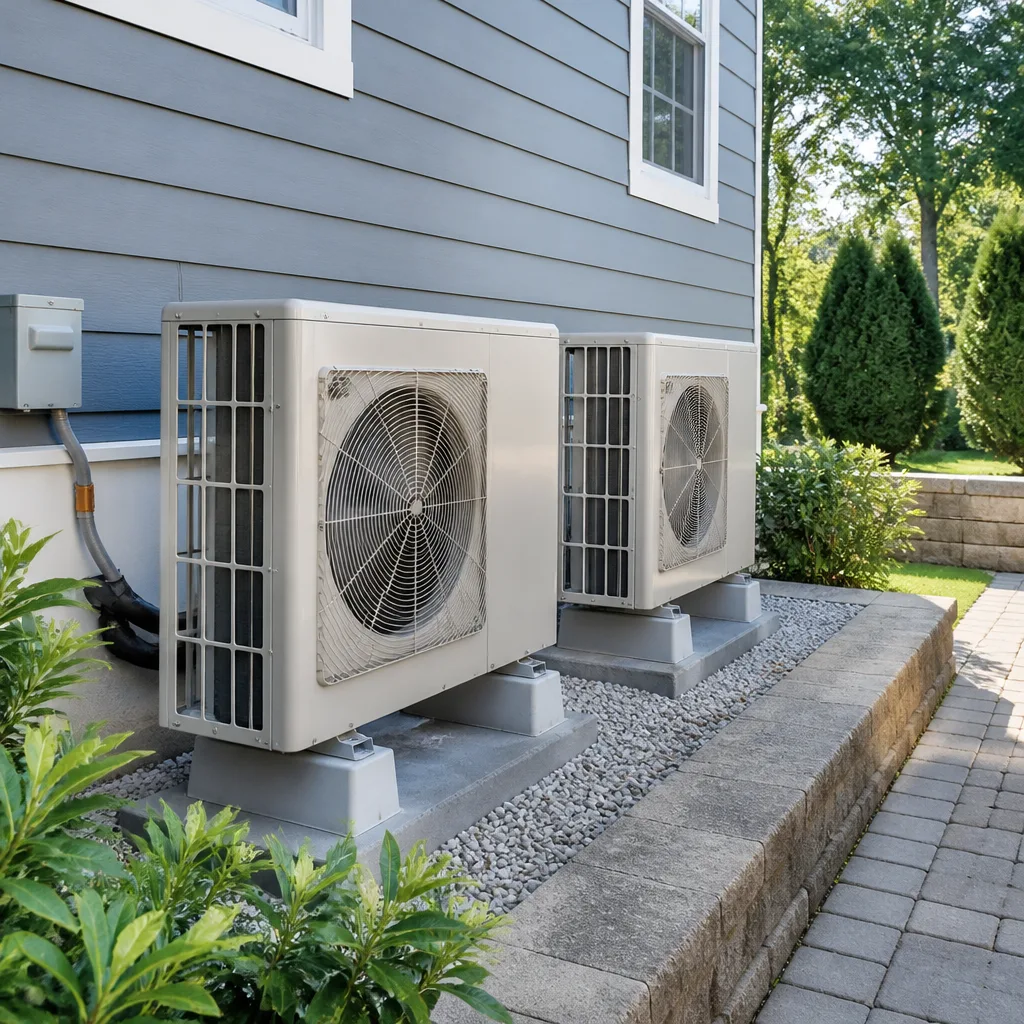 Heat pumps
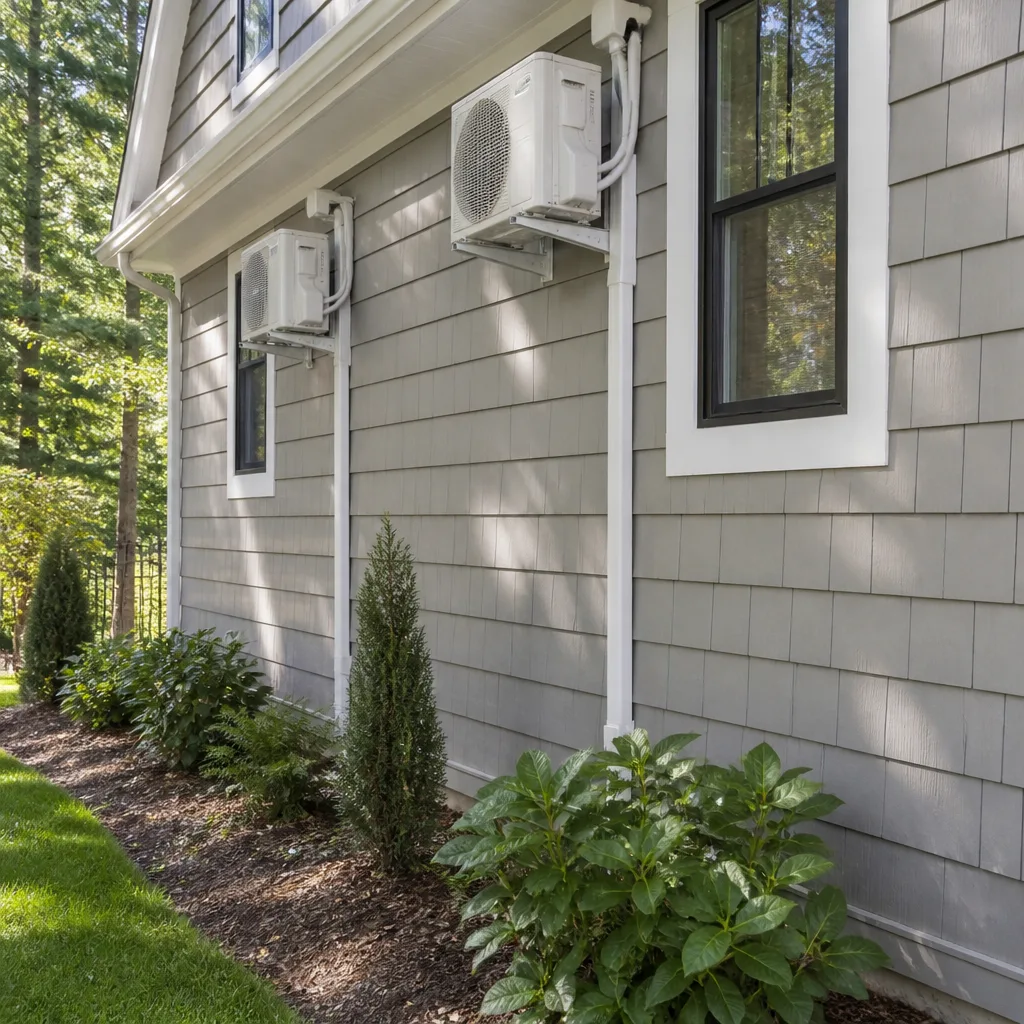 Ductless mini splits
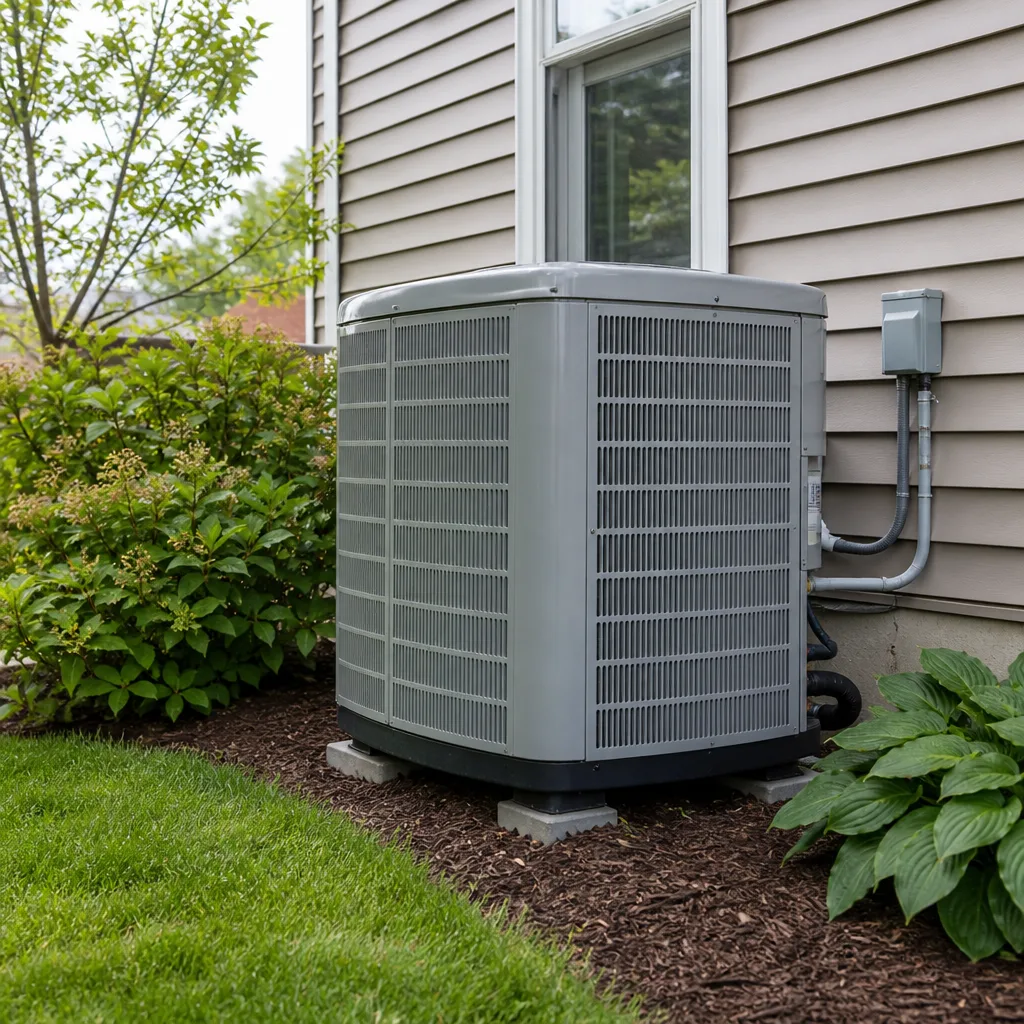 Carrier
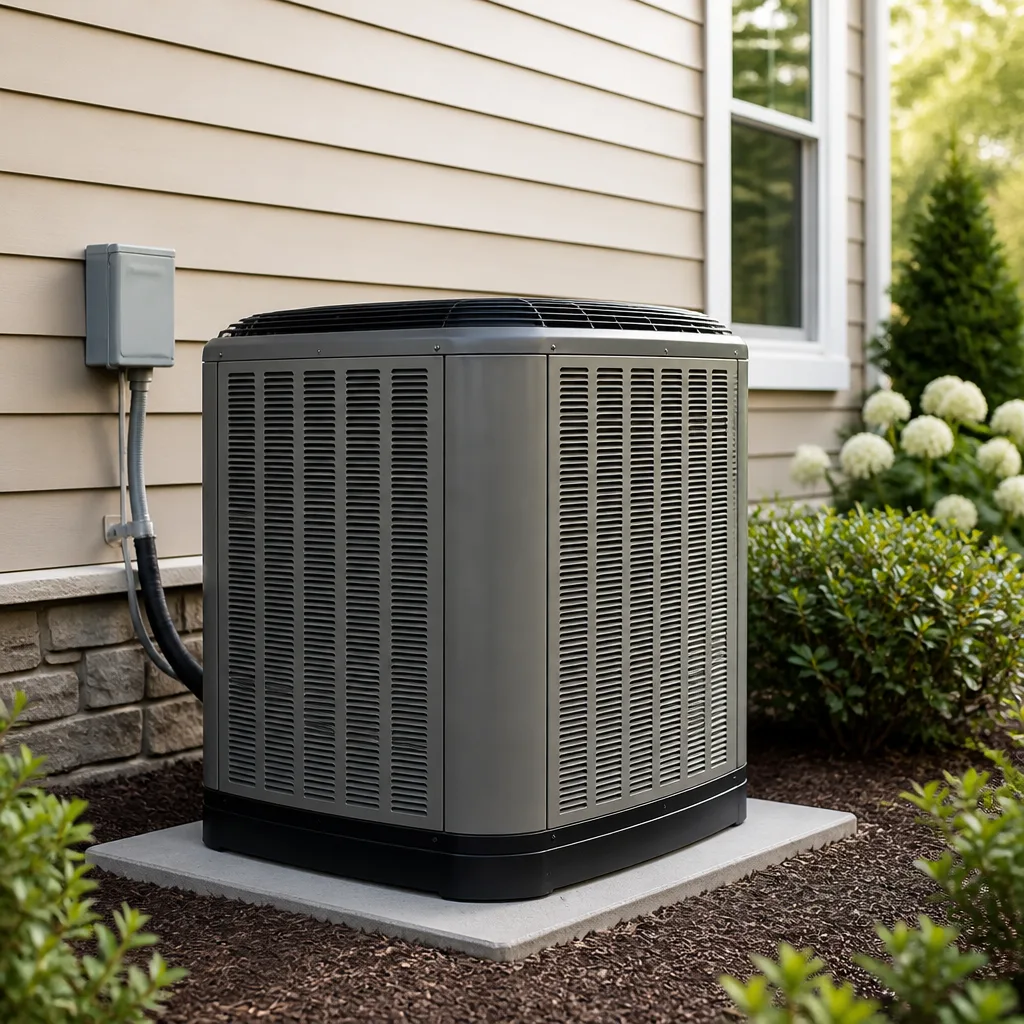 Trane
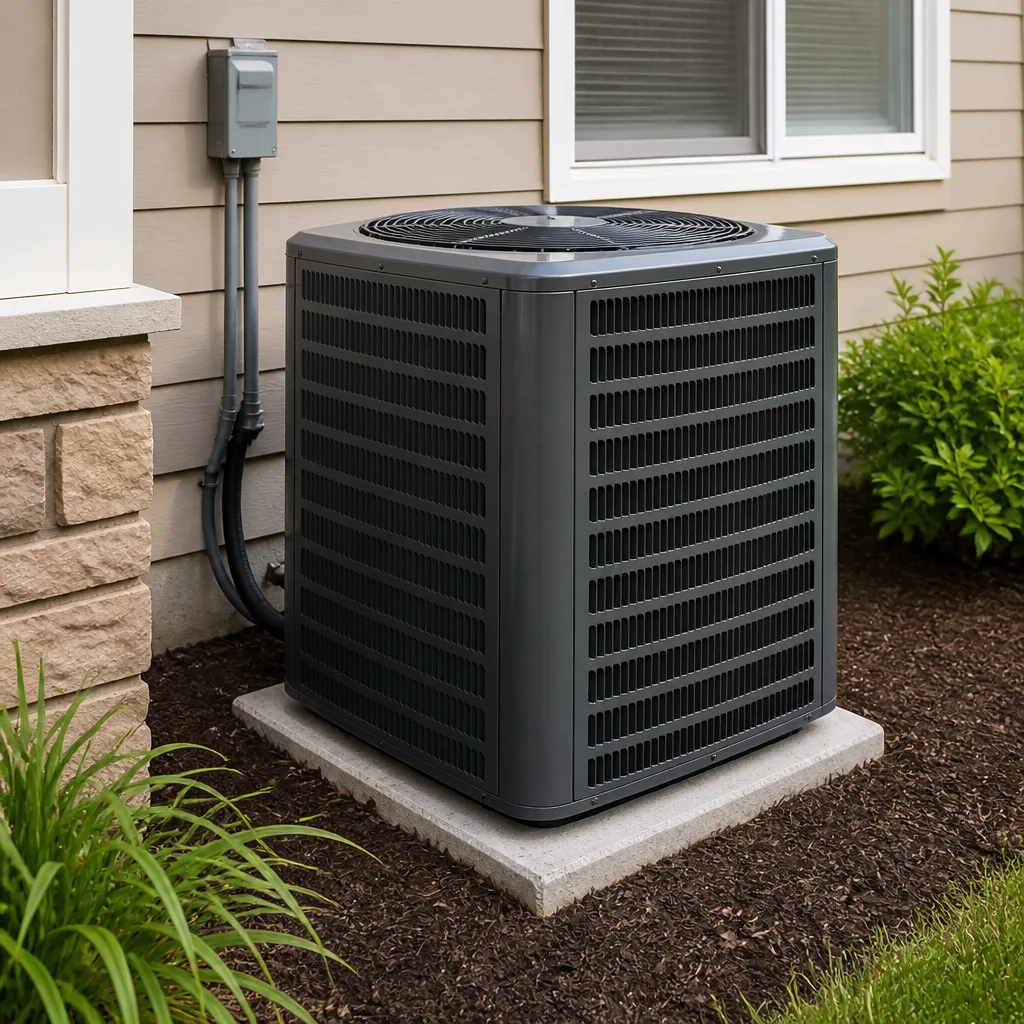 Goodman
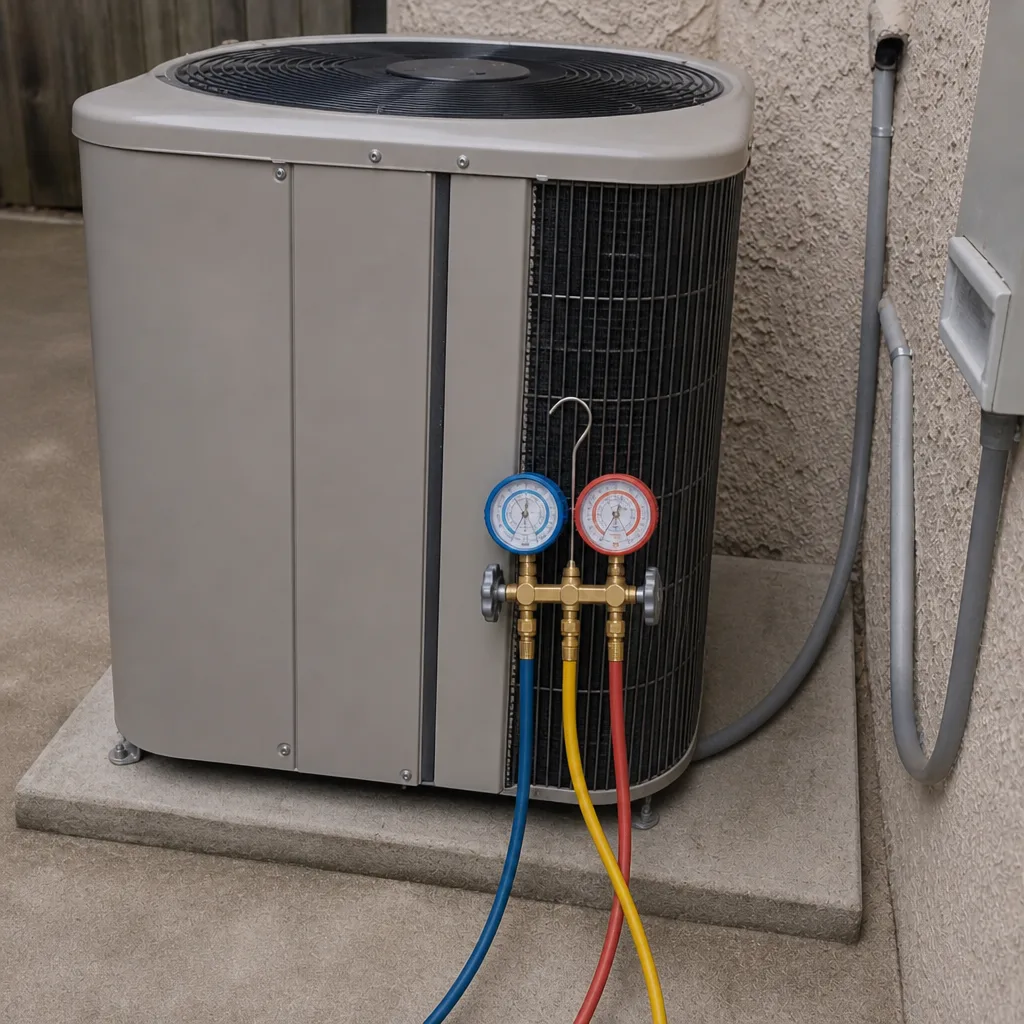
Seasonal tune-up and full diagnostic on your Carrier, Trane, or Goodman system - readings shown to you before any repair is proposed
Diagnosis first, numbers second - you approve the repair price before a single part goes in.
Get your free estimateChoosing the Right HVAC Brand: A Buyer’s Guide for Coral Springs
The brand your contractor recommends is often the brand they earn the best dealer margin on, not necessarily the one best suited to your home. That’s an uncomfortable thing to say out loud in this industry, but it’s true, and it’s the reason so many Coral Springs homeowners end up with equipment that fights the climate instead of working with it. A system in Coral Springs has to handle months of 95°F heat, humidity that hangs near 90% all summer, and air that carries salt from the coast a few miles east. Those three conditions stress different parts of an air conditioner in different ways, and the nine major brands don’t all respond the same. In this guide, we’ll walk through how to compare brands by the things that actually matter here: coil metallurgy, local parts availability, control fluency, and warranty terms.
Quick Answer
The “best” HVAC brand in Coral Springs is the one whose coils hold up to salt air and constant humidity, whose parts sit on a local Broward distributor shelf, and whose controls your installing contractor actually knows. National brand rankings miss all three of these. Carrier, Trane, Lennox, Goodman, Rheem, York, Daikin, Bryant, and American Standard all make capable equipment – the deciding factors are installation quality, coil material, and local service infrastructure, not the logo on the cabinet.
Styles & brands we work with
- AC repair
- Furnace & heating
- Heat pumps
- Ductless mini splits
- Carrier
- Trane
- Goodman
Table of Contents
- Why brand matters less than you’ve been told
- Coil metallurgy: the part that fails first in Coral Springs
- Parts availability in South Florida
- How to decode a contractor’s brand recommendation
- SEER2, staging, and warranty terms across the nine brands
- Controls fluency: the hidden install variable
- The brand-agnostic case for repair over replacement
- Common mistakes to avoid
- When to call a professional
Why brand matters less than you’ve been told
HVAC marketing is built on the premise that the brand on the cabinet is the deciding factor in comfort and reliability. In practice, the installation is. A properly sized, correctly charged system from a mid-tier brand will outperform a poorly installed premium system every time, and we’ve watched that play out across thousands of Coral Springs service calls.
Here’s why the ranking matters less than the trade press suggests. The nine major brands share an enormous amount of component supply chain – many compressors, fan motors, and contactors come from the same handful of manufacturers regardless of whose nameplate is on the box. What differs is coil design, control electronics, warranty support, and the density of the local dealer and parts network. Those differences matter, but they’re smaller than the difference between a good install and a bad one.
That said, brand still matters – just in narrower, more specific ways:
- Coil metallurgy determines how long the indoor coil survives Coral Springs humidity, and how fast a coastal-adjacent home goes through one.
- Parts density determines whether a repair takes a morning or a week – the difference between a two-day inconvenience and a full week without cooling.
- Control protocol determines whether your thermostat, zoning, and variable-speed equipment can be diagnosed by the contractor who shows up.
- Warranty terms determine how much a failed component costs you out of pocket in year six.
Everything else – perceived prestige, marketing spend, “premium” positioning – is noise from the homeowner’s side of the counter. If you take one thing from this guide, make it this: shop the installer as hard as you shop the box.
Coil metallurgy: the part that fails first in Coral Springs
The indoor evaporator coil is the component that fails most often in Coral Springs, and the reason is boring but important. Constant high humidity means the coil is wet most of the year. Wet metal corrodes. Add salt air drifting in from the coast, and the corrosion accelerates. The metallurgy of the coil is the single biggest determinant of how long the coil survives before it springs a refrigerant leak.
There are three main coil construction types across the nine brands, and they don’t age the same here:
- Copper tube with aluminum fins (traditional): Still the standard on many Carrier, Bryant, and American Standard systems. Copper handles humidity well and holds up as long as the fins stay intact. The weak point is fin corrosion where dissimilar metals meet.
- All-aluminum spine fin (Trane, some Lennox): Trane’s spine-fin design uses all-aluminum construction, which avoids the copper-to-aluminum corrosion interface entirely. It performs well in coastal humid climates, but the design is harder to field-repair – a punctured spine fin usually means replacement, not patching.
- Micro-channel aluminum (Goodman, Rheem, York on select lines, some Daikin): More aluminum surface area in a smaller footprint, which helps efficiency but concentrates corrosion along the flat tubes. Micro-channel coils in coastal-adjacent humidity require diligent cleaning and drain maintenance or they’ll clog and pinhole sooner than a traditional coil.
None of these is “bad” – and we work on all three daily. But the choice matters in Coral Springs specifically. For a home two miles from the coast with no shade, the all-aluminum spine fin tends to outlast the alternatives. For an inland home in a community like Heron Bay or Eagle Trace where the air is a bit drier, a well-maintained copper coil will be perfectly serviceable. Neither decision needs to be expensive – the point is to ask what the coil is made of and how it addresses humidity, not to accept “it’s a good brand” as a full answer.
Parts availability in South Florida: the hidden timeline
When your system breaks, the repair clock starts. What most homeowners never learn is that the clock is mostly a shipping question. The equipment itself is a two-hour job. The wait is the part.
Brands with dense distribution in Broward County mean same-day or next-morning parts from a local distributor. Brands with thinner local presence mean the distributor has to order from a regional warehouse in Orlando, Tampa, or out of state – and that’s the difference between a repair today and a repair in five days. During a Coral Springs July, five days without cooling means a hotel stay, spoiled food, and a much bigger bill in the end.
From the service side, the general pattern we see on local parts shelves:
- Fast local availability: Carrier, Bryant, Goodman, Rheem, and York typically have the widest distributor coverage across South Florida. Common parts – capacitors, contactors, fan motors, reversing valves – sit on shelves locally most days.
- Reliable but occasionally slower: Trane, American Standard, and Lennox have solid South Florida distribution, though specific compressor and coil parts sometimes require a short regional order.
- Variable by model: Daikin’s growing residential footprint means availability depends heavily on the specific model line and the distributor’s current stock.
If you’re shopping a new system in Coral Springs, ask the contractor three direct questions: which local distributor they buy from, how often they pick up from that counter, and how they usually source a compressor for the model you’re being sold. The answers tell you everything.
How to decode a contractor’s brand recommendation
When a contractor tells you “the best brand is X,” the honest interpretation is usually “the brand I get paid to push is X.” That’s not always wrong – many dealers recommend brands they genuinely know and service well – but the recommendation often reflects dealer tier, spiff programs, and rebate structures more than fit. Here’s how to tell the difference. Ask these questions in order, and listen for whether the answer changes shape.
- “Why this brand for my home specifically?” A contractor recommending based on fit will mention your home’s square footage, sun exposure, duct condition, and the corrosion environment. A contractor recommending based on their dealer tier will mention “reliability” or “it’s what we install.”
- “What’s the coil made of?” If they can’t answer within ten seconds, they haven’t thought about coil material in a Coral Springs context. Move on.
- “Which other brands do you service and repair?” The answer should include several of the nine majors. If they only service the brand they sell, the recommendation is self-serving whether they mean it or not.
- “If I picked a different brand, would you still install and service it?” A “no” tells you the recommendation is dealer-tier driven. A “yes, but here’s what I’d consider” tells you the recommendation is fit-driven.
- “What does this cost in warranty terms over ten years?” A strong answer will discuss parts warranty, labor warranty, and what happens to the coil in year six or seven – not just the parts number.
- “Can you show me the parts drawer for the brand you’re recommending?” Not literally a drawer, but ask about local stock. Answers that mention a local counter and an overnight delivery pattern are good signs.
Our technicians have up to 13 years of experience across all nine major brands, and we’ve been on both sides of this conversation – with contractors who recommend honestly and with contractors who recommend their margin. The difference is almost always visible in the answers to those six questions. Call Clover AC Repair for an honest recommendation – if the honest answer is repair, we’ll tell you that too.
SEER2, staging, and warranty terms across the nine brands
Efficiency ratings got a reset with the SEER2 transition, which raised the minimums for new equipment. In South Florida’s climate zone, the effective minimum is now meaningfully higher than the old SEER 14 baseline – virtually every new system sold in Coral Springs today delivers SEER2 figures in the mid-to-high teens, with premium two-stage and variable-speed equipment climbing higher. If a contractor quotes you an efficiency number, ask for the SEER2 number, not the legacy SEER. The two aren’t the same thing.
The decision that matters more than the exact SEER2 figure is staging. A single-stage system runs full-blast or off. A two-stage system runs at a lower capacity most of the time and steps up only when needed. A variable-speed system modulates continuously and holds humidity far better – which is worth serious money in Coral Springs, where humidity control is half the reason you own an air conditioner.
Across the nine brands, the general availability:
- Full variable-speed offerings: Carrier, Trane, Lennox, American Standard, and Bryant all have well-developed variable-speed lines.
- Strong two-stage and variable options: Rheem, York, and Daikin offer competitive modulating equipment across their upper lines.
- Entry-tier value: Goodman’s strongest value story is single-stage and two-stage equipment priced well against the majors, with parts warranty coverage that’s genuinely competitive.
Warranty terms tend to cluster around a five-to-ten-year parts warranty on major components and a shorter labor warranty (if any) at the dealer level. The variance that matters most is coil warranty – some brands cover the coil longer than the compressor, some don’t. Ask specifically what happens in year six when the coil goes. We’ve written about how this plays out at the brand level for AC installation in Coral Springs, and the same logic applies to replacement decisions.
Controls fluency: the hidden install variable
Here’s the part that doesn’t get talked about enough. Every brand’s equipment speaks a slightly different protocol to its thermostat, its zoning board, and its diagnostic tools. A variable-speed Carrier system and a variable-speed Daikin system are not wired the same way. When the contractor installing your system is fluent in that brand’s controls, calibration is precise, humidity control works as designed, and diagnostics when something fails are straightforward.
When the contractor isn’t fluent, things go sideways in specific ways:
- The system short-cycles because the staging parameters were set to defaults and never adjusted for the home.
- The indoor blower runs at the wrong speed, undermining humidity control and comfort.
- A diagnostic error is misread, parts are replaced that don’t need replacing, and the actual fault stays.
- Zoning dampers communicate with the control board incorrectly, and one zone is always too warm.
This is why the brand-agnostic case matters so much. At Clover AC Repair, we work on Carrier, Trane, Lennox, Goodman, Rheem, York, Daikin, Bryant, and American Standard – not because we’re trying to be all things to all homes, but because the alternative is pretending a homeowner’s existing equipment should match whatever we happen to sell. When we recommend a brand, it’s because it fits the home; we don’t have a dealer tier pushing us toward one manufacturer’s equipment over another.
Ask any contractor you interview which of the nine brands they’re currently fluent on. If the answer is one or two, you’re looking at a specialist – fine if you happen to be buying that brand, not fine for ongoing service on equipment you already own.
The brand-agnostic case for repair over replacement
Some contractors install but don’t repair. Others repair but only on the brand they sell. Both patterns push homeowners toward the wrong decision. A contractor whose business depends on installing new systems will lean toward replacement; a contractor whose business depends on servicing one brand will lean toward whichever answer keeps you on that brand. Neither is dishonest by intent, but both are structural biases, and Coral Springs homeowners pay for them.
Repair-or-replace is genuinely a cost-benefit question, not a brand question. The triggers that usually swing toward replacement:
- System age past the typical 12-15 year range for South Florida equipment (humidity and running hours shorten life compared to drier climates).
- Refrigerant leak in a coil that’s already been sealed once.
- Compressor failure on a system past year ten, where the parts-plus-labor math often approaches 40% or more of a new system cost.
- Efficiency gap – if a system is running an older SEER rating, the operating cost difference on a Coral Springs summer is real money.
The triggers that swing toward repair:
- Failed capacitor, contactor, or fan motor on an otherwise healthy system – these are almost always repair-side decisions.
- Drain line clog or float switch trip, which is a maintenance issue, not an equipment issue.
- Thermostat or control board problems where the mechanical system is still solid.
Repair or replace – we’ll tell you which one actually makes sense. That’s not a slogan for us; it’s the whole point of being brand-neutral. One call for your furnace and your AC means furnace repair gets the same honest evaluation on the heating side as the cooling side gets in summer, and neither side defaults to replacement because the calendar flipped. If you’d like context on the local market, our Coral Springs page covers service-area details and typical response.
Common mistakes to avoid
- Choosing a brand by reputation alone. A “reliable brand” installed poorly is unreliable. A mid-tier brand installed well runs for fifteen years. The installer is the variable, not the nameplate.
- Accepting a single-brand recommendation without cross-checks. If your only quote is for the brand the contractor sells, ask what they’d recommend if they didn’t have a dealer relationship. The answer is usually revealing.
- Ignoring coil metallurgy for Coral Springs humidity. A copper coil and a micro-channel coil behave very differently after six summers near the coast. Ask what the coil is made of before you sign.
- Assuming parts will be available quickly. Before you buy, verify that your model’s compressor and coil are commonly stocked at a Broward distributor. A five-day wait in July is a real number, not a theoretical one.
- Buying variable-speed equipment from a contractor who doesn’t know the controls. A modulating system that isn’t set up correctly is worse than a well-installed single-stage system – more expensive and no more comfortable.
- Confusing a dealer’s recommendation with a diagnosis. A contractor telling you “you need a new system” without a repair-side estimate is a sales call, not a service call. Ask for both numbers.
- Overlooking the heating side. Homes in Coral Springs do use heat in January and February, and a contractor who only handles AC will hand you off when the furnace quits. One company for both sides removes that gap.
When to call a professional
Some HVAC work is a homeowner’s territory. Reviewing what brand to buy, asking questions about coil material, reading warranty terms – all fair game, and this guide is built to help. But diagnostics and installation aren’t. Refrigerant circuits operate under high pressure and require licensed handling. Electrical connections at the air handler and condenser carry serious current. A system that’s miswired, mischarged, or misconfigured can run – badly – for years before anyone catches it, and by then the damage is expensive.
Call a professional when:
- You’re getting quotes on a new system and want the install-side recommendation checked by someone without a stake in one brand.
- Your system is short-cycling, icing up, or failing to keep up with Coral Springs summer heat.
- You’ve been told “you need a new system” without being shown a repair-side estimate for the same fault.
- The heating side has stopped working and your AC contractor doesn’t handle furnaces.
- A refrigerant leak has been diagnosed and you want a second opinion on repair vs. coil replacement.
Clover AC Repair offers free estimates in Coral Springs – call (833) 501-2993. We answer 24/7. Fast dispatch from 7am to 7pm, Sunday through Friday.
Frequently Asked Questions
There isn’t a single best AC brand in Coral Springs – the best one depends on your home, your budget, and your installer. That said, the leading factors for a Coral Springs home are coil metallurgy (all-aluminum coils handle the humidity and salt air better than copper-to-aluminum designs), local parts availability at Broward distributors, and whether the installing contractor knows that brand’s controls. A well-installed mid-tier brand routinely outperforms a poorly installed premium brand here. Call (833) 501-2993 for a brand-neutral recommendation – estimates are free.
We’re trained and experienced on nine of the industry’s most widely installed HVAC brands: Carrier, Trane, Lennox, Goodman, Rheem, York, Daikin, Bryant, and American Standard. That’s the core of how we work. We’re not tied to a single manufacturer, so a recommendation is based on your home and not on which brand pays us best. Our technicians have up to 13 years of experience across the range, and we service equipment from all nine brands.
It depends on the brand and the specific part. Common parts – capacitors, contactors, blower motors, drain parts – usually come off a local South Florida distributor shelf the same day or the next morning. Less common parts like compressors, coils, and proprietary control boards sometimes require a regional order from out of state, which typically adds three to five days. Before you buy new equipment in Coral Springs, ask the contractor how often they source parts for that specific model from a local counter versus a regional warehouse. That’s the difference in timeline.
Yes, in most cases, provided it’s installed correctly. Coral Springs humidity is the deciding factor. A variable-speed system runs at lower capacity for longer cycles, which pulls more moisture out of the air and keeps indoor humidity in a comfortable range. A single-stage system can cool the house and leave it feeling clammy. The catch is that variable-speed equipment is only worth the cost if the installing contractor is fluent in that brand’s controls and sets the staging parameters for your home. Equipment that isn’t configured correctly gives you the price tag without the comfort. Call (833) 501-2993 to discuss whether variable-speed makes sense for your home – estimates are free.
It depends on the age and condition of each system. If your AC was replaced within the last few years and the furnace is original, you don’t need to replace both. If both systems are past the typical 12-15 year window in South Florida, replacing them together is often more economical than two separate projects. The advantage of working with one company for both the cooling side and the heating side is that you’re not coordinating between two contractors to decide – one team evaluates the whole system. Call (833) 501-2993 to book a free estimate on either or both systems.
Not automatically. National rankings don’t account for Coral Springs-specific factors like humidity load, salt air corrosion, or local parts availability. A value-tier Goodman system with a properly sized matched coil, installed by a competent contractor, and maintained well will perform every bit as reliably as a premium system in the same home. The bigger determinants are always installation quality and service access. If you want to compare two specific models, ask any contractor to compare coil material, SEER2 rating, parts warranty, and local parts availability – the comparison will tell you more than the brand tier will.
The Bottom Line
Brand matters, but not in the way most HVAC marketing suggests. In Coral Springs, the deciding factors are coil metallurgy and how it survives salt air and humidity, local parts availability from Broward distributors, whether the installing contractor actually knows the brand’s controls, and warranty terms on the coil. The nine major brands – Carrier, Trane, Lennox, Goodman, Rheem, York, Daikin, Bryant, and American Standard – all make capable equipment. The right choice for your home depends on fit, not prestige, and the right installer is the one willing to explain why they recommend a specific brand for your specific house.
Nine major brands, zero brand bias. Repair or replace – we’ll tell you which one actually makes sense. One call for your furnace and your AC. Clover covers it.
Call (833) 501-2993 for a free estimate. We answer 24/7. Fast dispatch from 7am to 7pm, Sunday through Friday.
Written by the team at Clover AC Repair.
See the difference
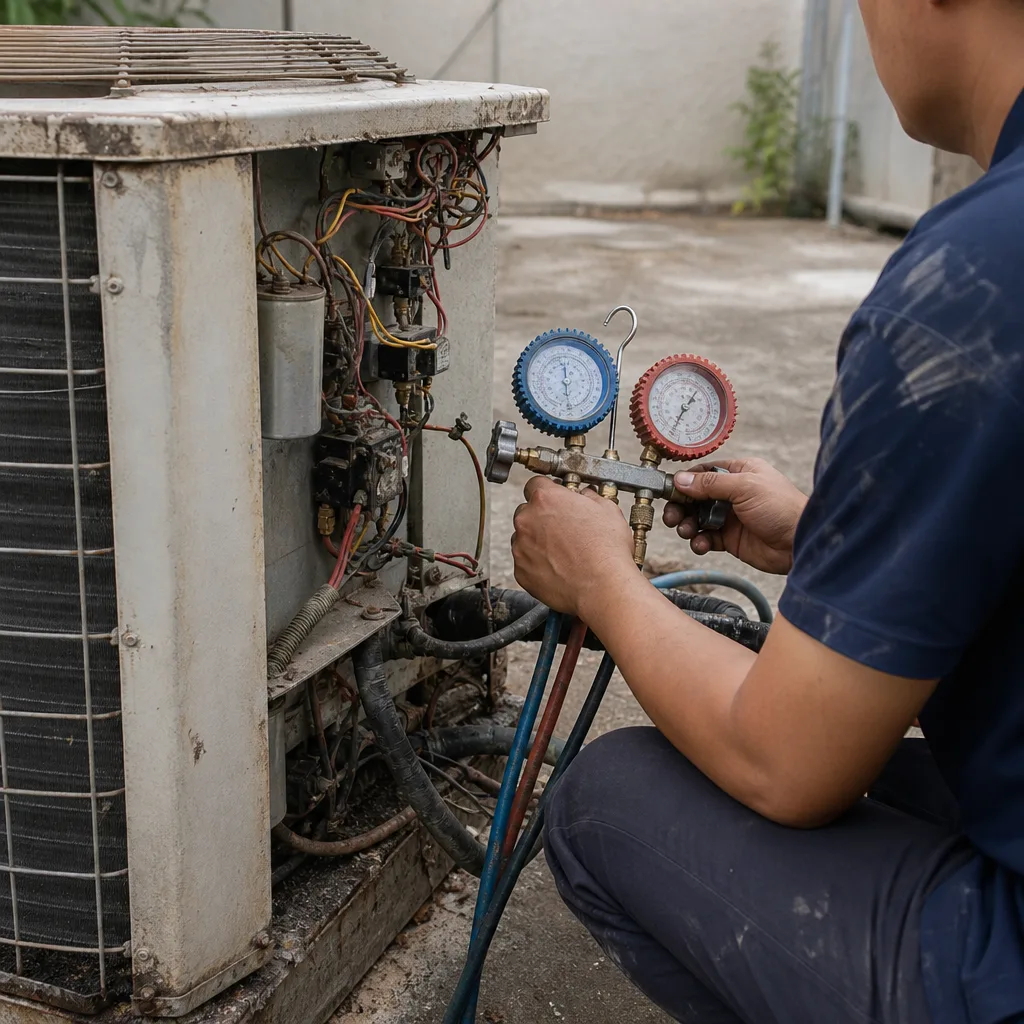 Before
 After
 Before
 After
 Before
 After