
Last updated November 15, 2026
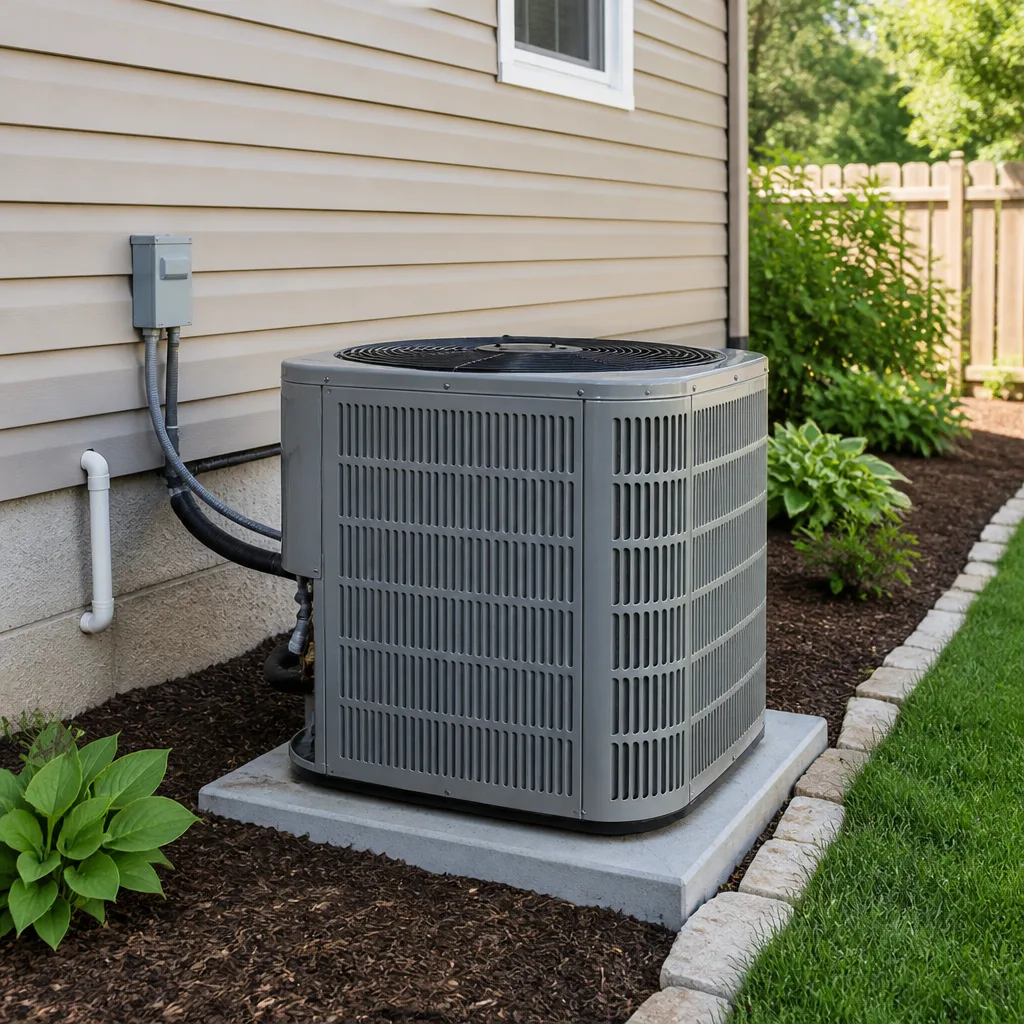 AC repair
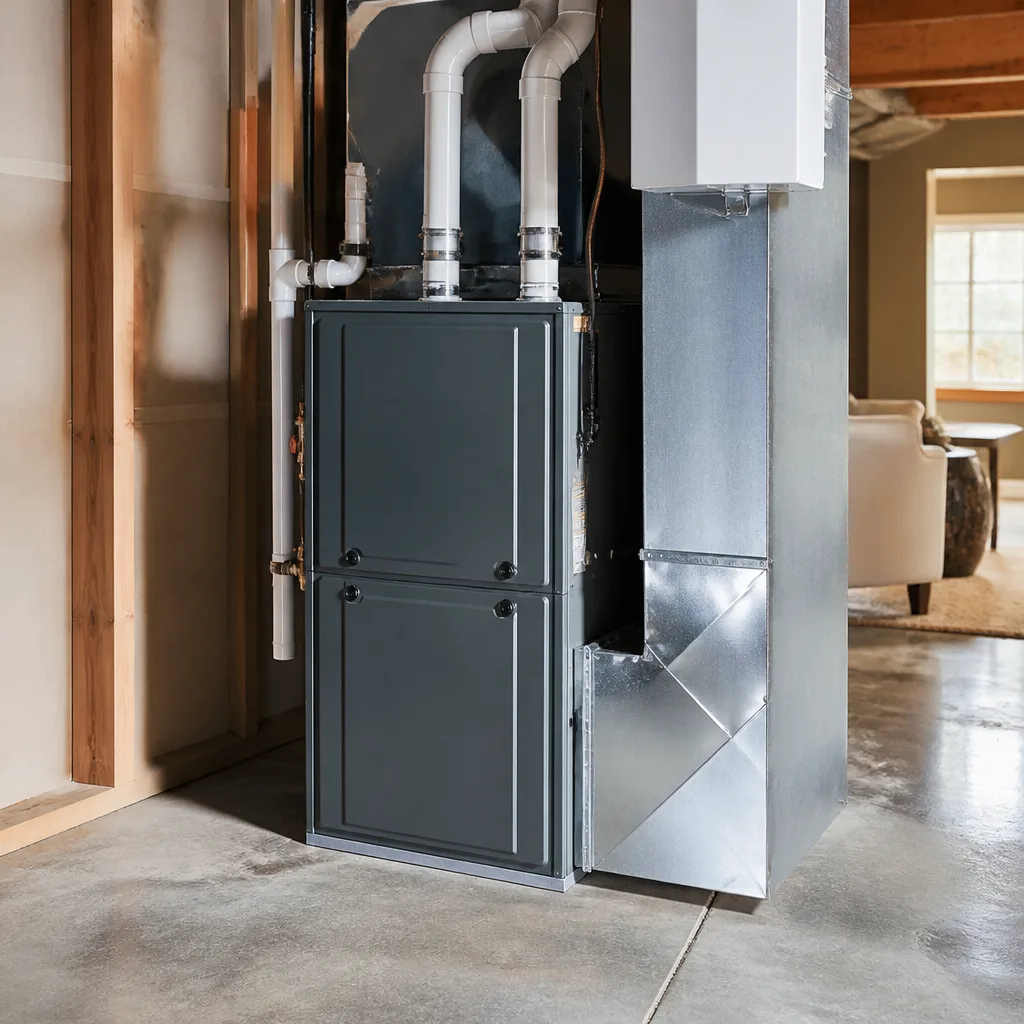 Furnace & heating
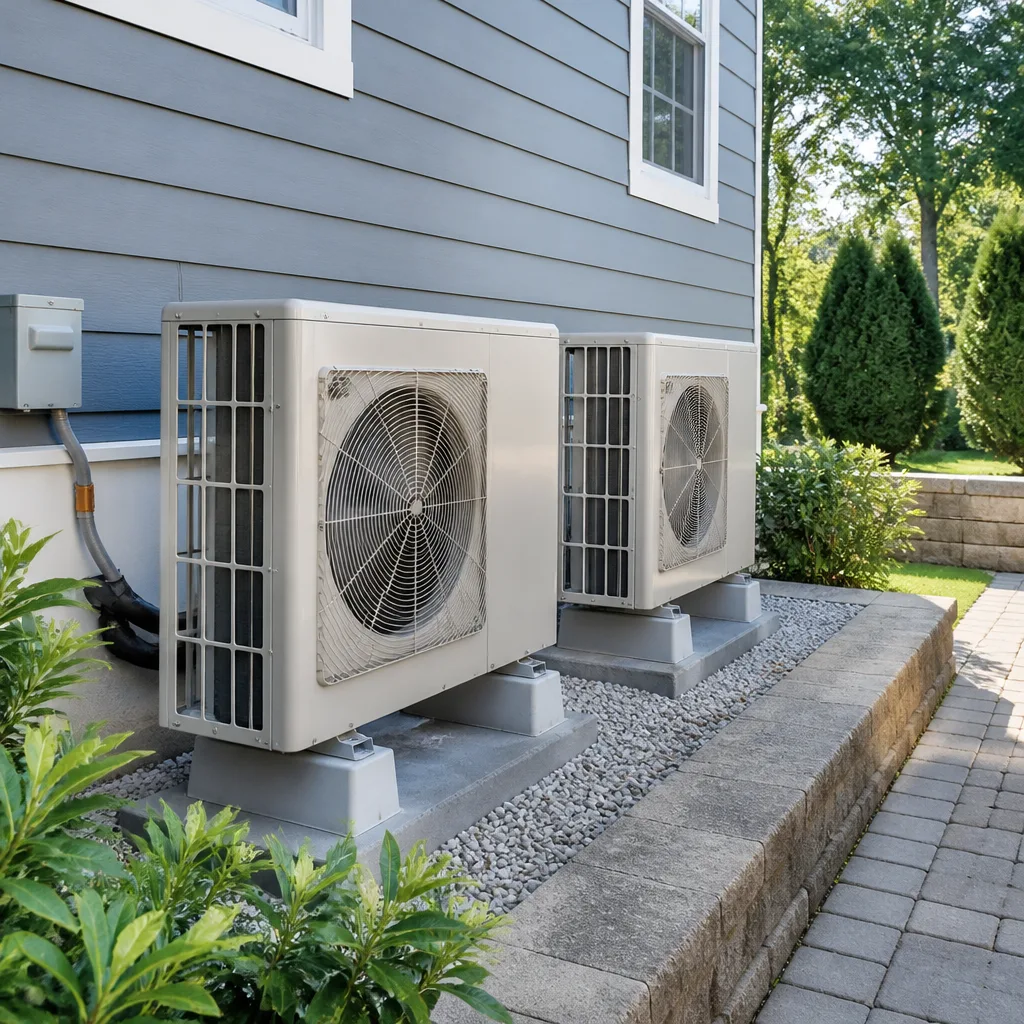 Heat pumps
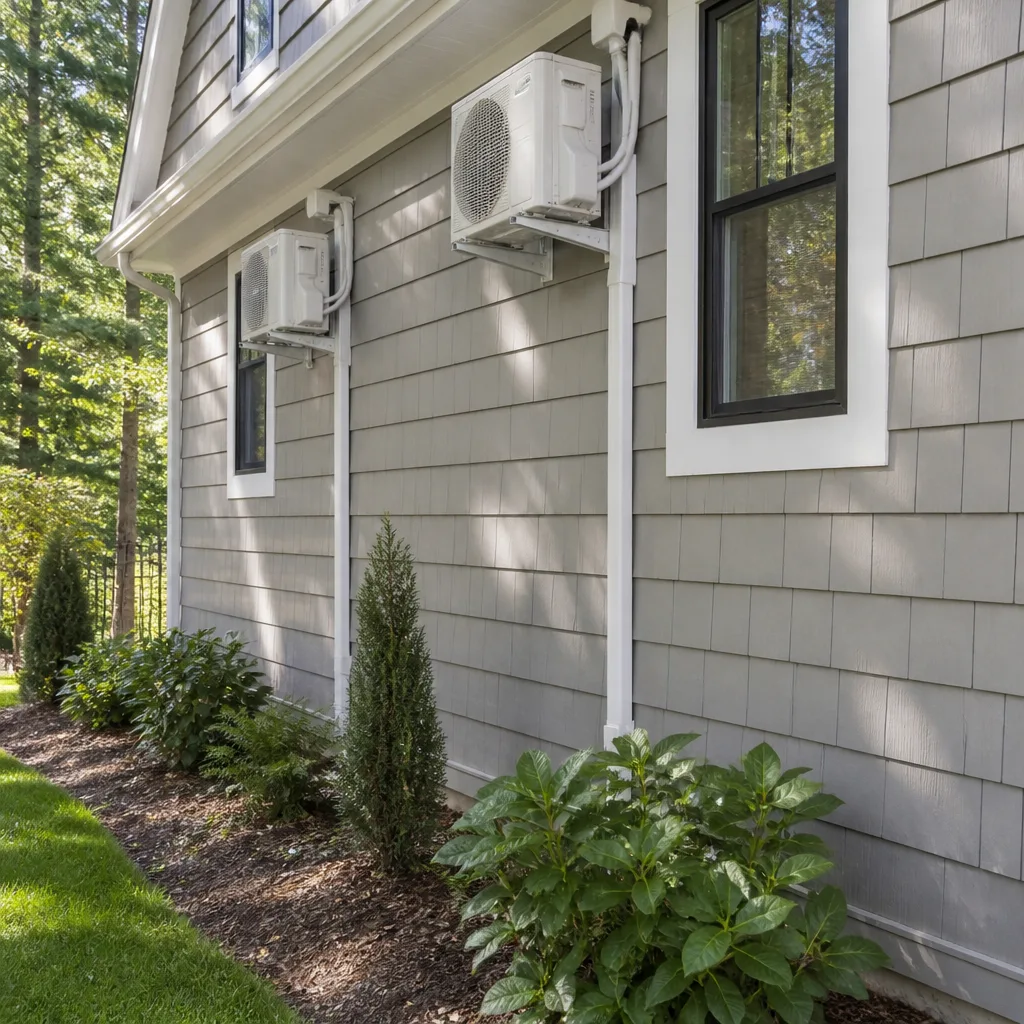 Ductless mini splits
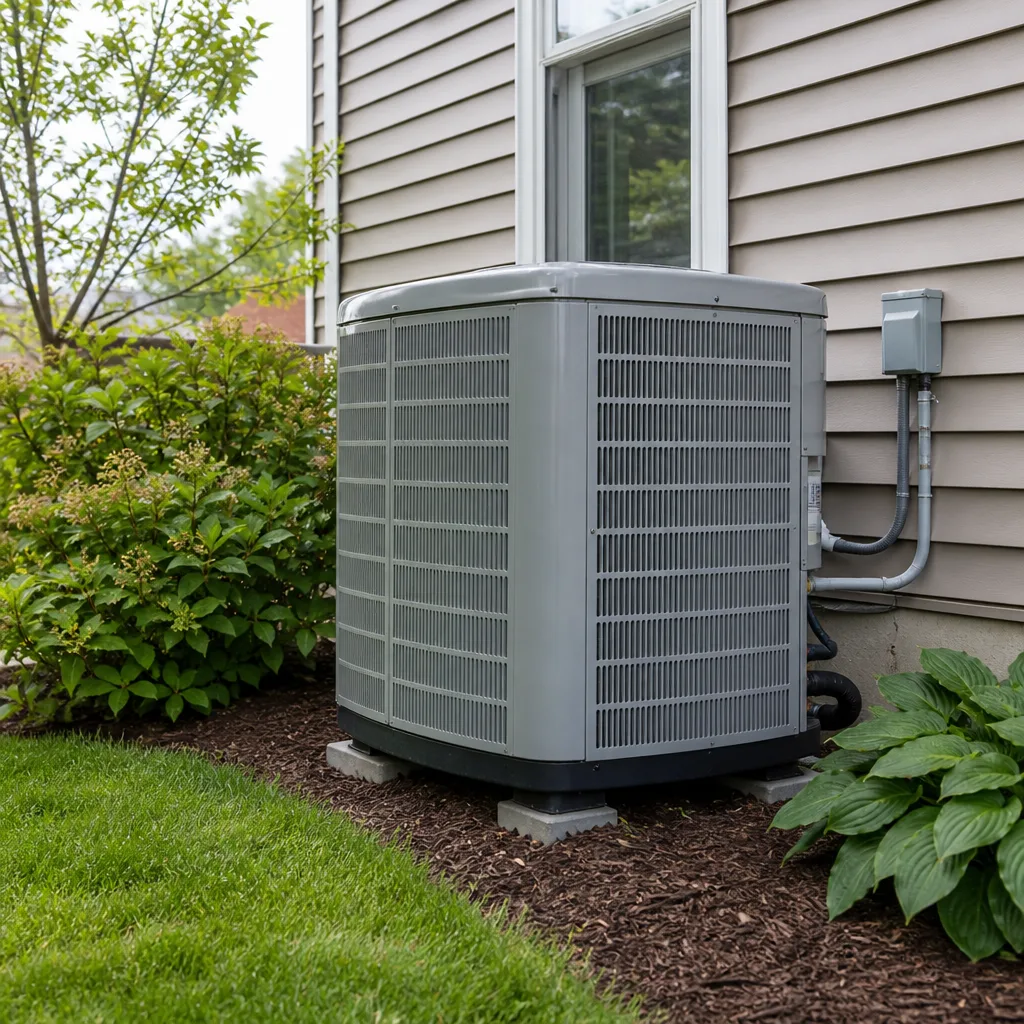 Carrier
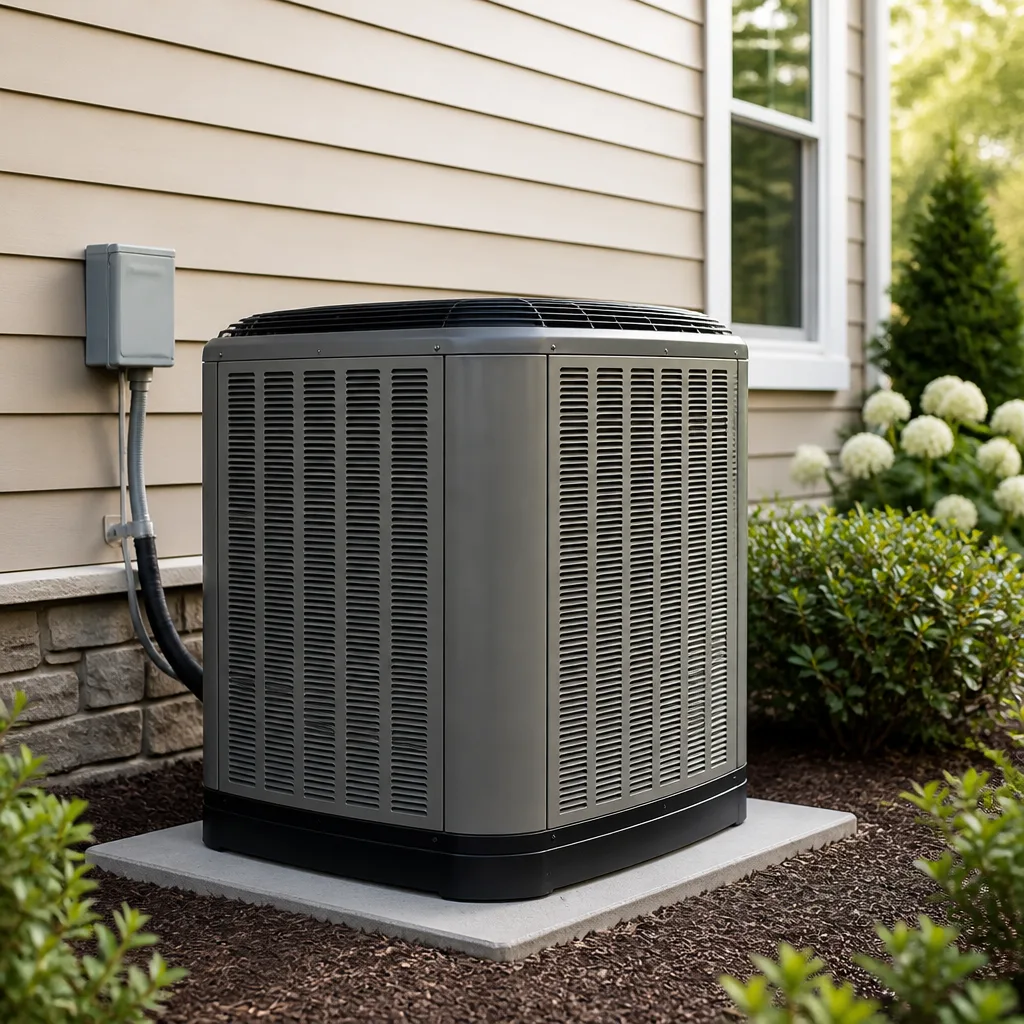 Trane
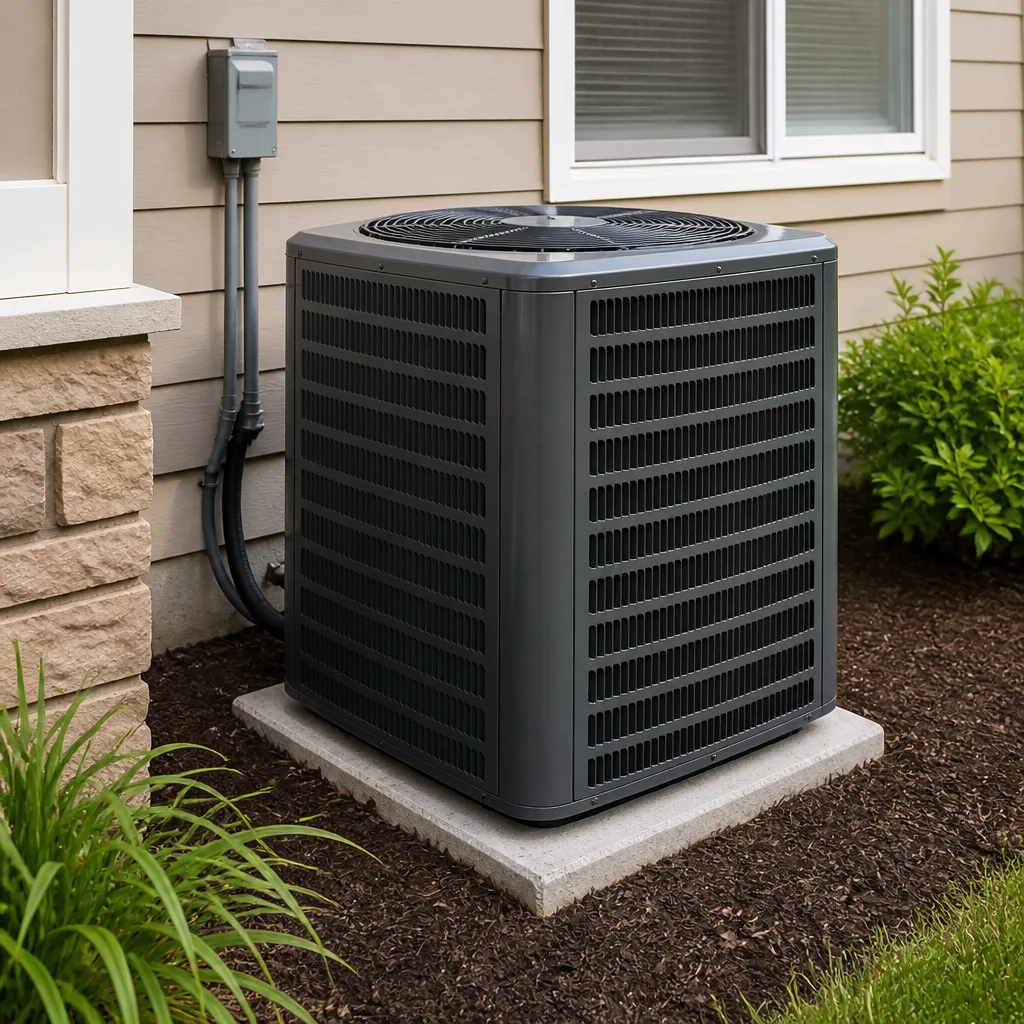 Goodman
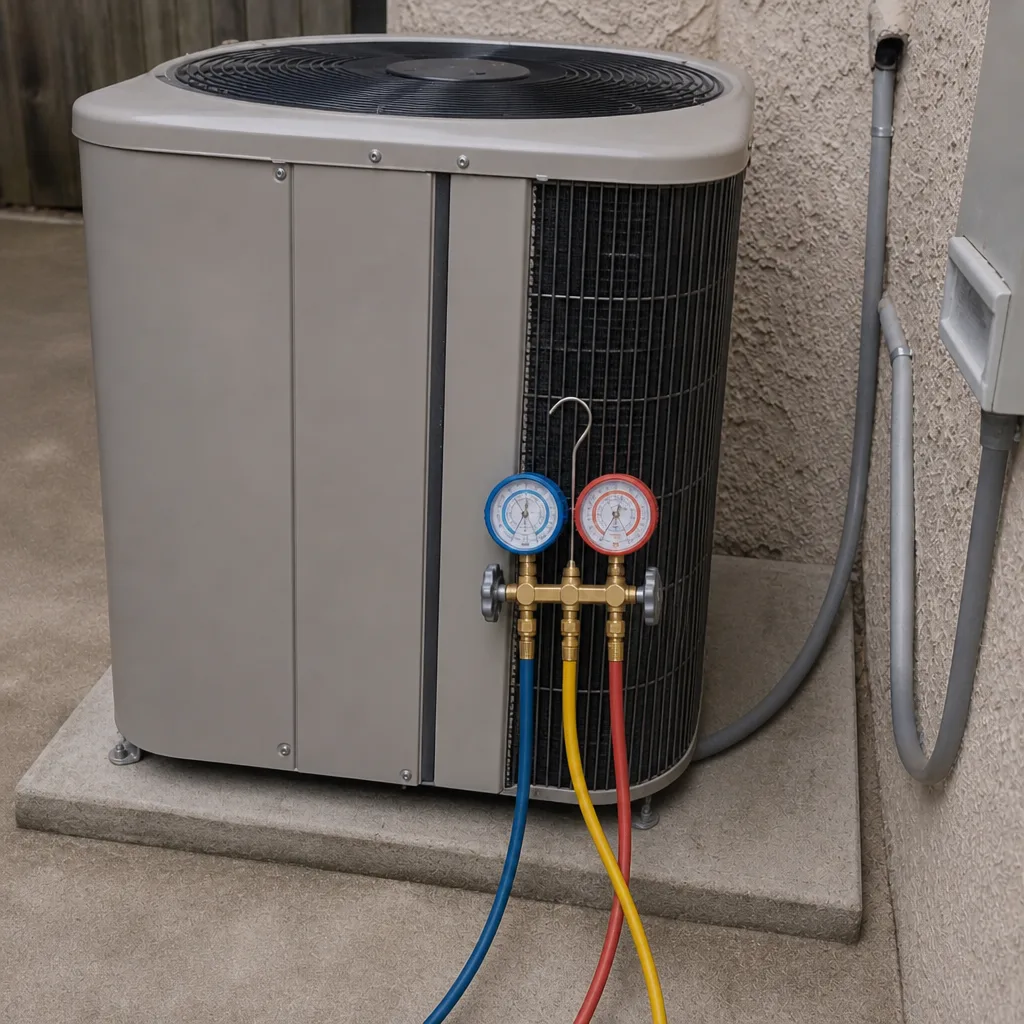
Seasonal tune-up and full diagnostic on your Carrier, Trane, or Goodman system - readings shown to you before any repair is proposed
Diagnosis first, numbers second - you approve the repair price before a single part goes in.
Get your free estimateHVAC Emergency Preparedness Guide for Coral Springs Homes
Most Coral Springs homeowners treat an AC failure like a minor household annoyance – something to deal with when it’s convenient. That’s the misconception this guide exists to correct. Coral Springs averages more than 100 days per year where the heat index climbs above 95°F, and a system that quits at 2 p.m. in August can push indoor temperatures into dangerous territory within a few hours. The house doesn’t wait, and neither should your plan. What follows is a practical, step-by-step playbook you can build in an afternoon and execute under pressure: a 30-minute response checklist, safe indoor temperature thresholds, the paperwork to have ready before you call, hurricane power-outage protocols, and how to tell a fair emergency quote from a padded one. We’ve written it for the way homes in Coral Springs actually run.
Styles & brands we work with
- AC repair
- Furnace & heating
- Heat pumps
- Ductless mini splits
- Carrier
- Trane
- Goodman
Quick Answer
To prepare for an HVAC emergency in Coral Springs, build three things before the system fails: a cooling-loss checklist you can run in 30 minutes, a household temperature threshold that tells you when to leave, and a folder with your unit’s model numbers, warranty and service history. Florida’s heat is a health risk, not just a comfort problem, so plan for the worst week of summer, during hurricane season, and when the unit is old. If your system is already down, call (833) 501-2993. We answer 24/7, with fast dispatch from 7am to 7pm, Sunday through Friday.
Table of Contents
- Why an AC Failure in Coral Springs Is a Health Emergency
- The 30-Minute Emergency Response Checklist
- Safe Indoor Temperature Thresholds by Household Type
- What to Have Ready Before You Call
- Hurricane Power Outages and Your HVAC System
- Is That Emergency Repair Quote Fair?
- Know Your Equipment, Whatever the Brand
- Pre-Season Prep That Prevents Most Emergencies
- Common Mistakes to Avoid
- When to Call a Professional
- Frequently Asked Questions
- The Bottom Line
Why an AC Failure in Coral Springs Is a Health Emergency
Coral Springs sits in a subtropical climate where heat index values exceed 105°F for weeks at a stretch. That’s the piece most homeowners skip. The actual air temperature might read 93°F, but the combination of heat and humidity makes the body feel like it’s 105°F or higher, and indoor spaces without working AC recover slowly. A house that loses cooling in the afternoon can hold heat well into the evening, and the overnight low may not drop enough to give a vulnerable person relief.
For most healthy adults, a few hours of discomfort is survivable. For elderly residents, infants, and anyone with a cardiovascular or respiratory condition, heat stress escalates fast. Heat exhaustion can progress to heat stroke, and heat stroke is a genuine medical emergency. The systems that fail during a heat wave are usually the same systems that have been running nonstop for weeks – the condenser coil is hot, the compressor is working overtime, and a marginal capacitor or low refrigerant charge finally gives out at the worst possible moment.
The framing matters. If your AC dies in Coral Springs during July, you’re not facing a “wait until Monday” inconvenience. You’re facing a timeline where the indoor temperature climbs to 90°F by mid-afternoon and may stay there overnight. That timeline is what the rest of this guide prepares you for. The goal isn’t panic – it’s a plan you can run calmly because you already know what to do.
The two system failures that cause most emergencies
In our experience, the calls that reach us during a Coral Springs heat wave fall into two buckets. The first is a total loss of cooling: the thermostat is calling, the outdoor unit is silent or humming, and the indoor blower may or may not be running. That’s usually a capacitor, a contactor, a failed compressor, or a refrigerant leak that finally starved the system. The second is a partial failure: the system runs but never satisfies the thermostat, running all day and driving indoor humidity up along with power bills. Partial failures are the ones that quietly lead to total failures – a system that’s been struggling for three weeks often has a small problem that a professional can catch before it becomes an emergency.
The 30-Minute Emergency Response Checklist
When the AC dies, the instinct is to call immediately. That’s often the right move, but you’ll get faster, cleaner service if you spend 30 minutes running through a short checklist first. These steps may restore cooling on their own, and they give the technician better information when they arrive. Work through the list in order. Stop whenever you find something definitive – there’s no need to keep checking once you’ve found the problem.
- Check the thermostat. Verify the mode is set to Cool and the setpoint is at least five degrees below room temperature. Replace the batteries if the display is dim or blank. A surprising number of “dead AC” calls are a thermostat in the wrong mode, a tripped schedule, or dead batteries.
- Check the air filter. A clogged filter chokes airflow, freezes the indoor coil, and can look exactly like a failing system. If the filter is gray and heavy, replace it and wait an hour before judging the system’s performance.
- Check the breaker. Find the HVAC breakers in your electrical panel and look for one that’s tripped. If it’s tripped, reset it once. If it trips again, stop – that’s a fault a technician needs to trace, and repeated resets are an electrical risk.
- Look (don’t touch) the outdoor unit. Is the fan spinning? Is there ice on the copper line or the cabinet? Ice means the system is starving for airflow or refrigerant and should stay off until a technician evaluates it. Never attempt to chip ice off a coil or open the electrical panel yourself.
- Check the indoor unit. If the outdoor unit is running but the indoor blower is silent, you have a blower motor, control board, or relay issue. That’s a professional call.
- Document what you find. Note the thermostat reading, the breaker status, whether the outdoor fan spins, and any noise. This saves diagnostic time and helps the technician bring the right parts.
- Close the blinds and doors. Shut off heat-generating appliances (oven, dryer) and close window blinds on the sun-facing side. You’ll slow the indoor temperature climb while help is on the way.
If the checklist doesn’t restore cooling, call (833) 501-2993. We answer 24/7, and fast dispatch from 7am to 7pm, Sunday through Friday, means a technician can be scheduled into the next opening. The information you gathered on the call shortens the diagnostic and helps us quote the repair honestly.
Safe Indoor Temperature Thresholds by Household Type
Once the AC is down, the most important question is: at what indoor temperature do you need to leave the house? The answer depends on who’s living there. Below is a practical guide. These are general thresholds based on accepted heat-safety guidance, not a substitute for medical advice, and anyone with a health condition should consult their doctor about their own limits.
- Healthy adults, no vulnerable household members: Manage in place up to roughly 85°F indoor air temperature with fans running and hydration available. Above 85°F, especially if the heat index is rising and overnight lows won’t provide relief, consider relocating to a cooler space – a friend’s home, a cooling center, or a hotel – until the system is repaired.
- Households with infants or young children: Leave the home before indoor temperatures reach 80°F. Infants can’t regulate body temperature efficiently, and they can’t tell you they’re overheating. Pre-plan a cool destination and keep a diaper bag ready so leaving is fast.
- Households with elderly residents: Leave before 80°F indoor temperature as well. Older adults often have a blunted sense of thirst and a reduced ability to sweat, so they can be in danger before they feel uncomfortable. Keep a plan for a cool place to stay and let a neighbor or family member know the system is down.
- Pet-only households: Pets are also at risk, though the threshold depends on the animal. Plan to move pets to a cooler location before indoor temps hit 85°F, and never leave a pet in a closed room without ventilation and water. If the pet is elderly, brachycephalic (flat-faced), or has a health condition, treat the home like an infant household and leave earlier.
- Anyone with a chronic health condition: Treat these thresholds conservatively. Cardiac, respiratory, and kidney conditions are especially sensitive to heat, and some medications interfere with the body’s ability to cool itself.
A few practical notes. Fans help move air, but they don’t cool the air – above about 95°F, a fan can actually increase heat gain, so don’t rely on fans alone in extreme heat. Open windows at night if the overnight low drops meaningfully, but in Coral Springs during July and August, the overnight low often stays in the upper 70s, which means the house never really cools down. That’s why “wait it out” is a plan that works for a few hours, not a few days.
What to Have Ready Before You Call
The single biggest waste of time in an HVAC emergency is the ten minutes spent crawling through a garage or a closet looking for the model number while the technician waits. Build a folder now, before you need it. Whether it’s on paper or in your phone, having the information ready shortens the call, shortens the diagnostic, and reduces the chance of a misquote.
- Model and serial numbers for both indoor and outdoor units. The outdoor condenser has a data plate on the side of the cabinet. The indoor air handler or furnace has a data plate inside the cabinet door or behind a panel. Snap a photo of both and store them where you’ll find them quickly.
- Warranty documents. Know whether the system is under a manufacturer warranty and whether labor is covered. Many manufacturer warranties cover parts for a set period, but the labor for the repair may still be your responsibility. That distinction matters when you’re deciding whether to repair or replace.
- Service history. Keep a simple log of every service visit, including date, technician, and what was done. A system with a known history of capacitor failures, refrigerant leaks, or blower motor issues is a system a technician can diagnose faster.
- Electrical panel layout. Photograph your panel with the breakers labeled. Knowing which breaker controls the outdoor unit and which controls the indoor air handler saves time when a technician needs to safely power the system down.
- Installation date and equipment specs. If you don’t have the original installation paperwork, ask your installer for a copy. Knowing the system’s age and tonnage helps a technician give a confident repair-or-replace recommendation.
- The filter size. Write the filter size on a piece of tape on the filter grille. When a filter needs to be swapped, anyone in the household can grab the right one.
The right time to build this folder is a cool afternoon when nothing is wrong. If you’re reading this after the system has failed, don’t panic – gather what you can while you’re on the phone, and the technician will help fill in the rest. For installation records, Clover AC Repair can often track down what was installed if you know the original installer.
Hurricane Power Outages and Your HVAC System
Hurricane season runs from June through November, and Coral Springs sits squarely in the path of most systems that cross South Florida. A power outage is the most common post-storm HVAC problem, and the recovery is where homeowners make mistakes that turn a fixable system into a totaled one. If the system was running when the power cut, or if water got into the house during the storm, don’t just flip the breaker and hope.
Safe generator use with HVAC equipment
Portable generators are useful, but they cannot power a central air conditioner. The startup current on a residential compressor is far beyond what a portable generator can deliver, and attempting it will either trip the generator or damage the compressor. Window units and portable AC units are a different story – a properly sized generator can run a small window unit if you keep it to one or two devices. If you have a whole-home standby generator sized by an electrician, it may be able to run the central system, but only if the system was properly integrated at installation. Never back-feed a panel or run a generator indoors or in a garage.
What to do with a flooded condensate system
Indoor air handlers pull humidity out of the air and drain it through a condensate line to a floor drain or outside. After a storm, if the drain pan is full, the line is clogged, or water is standing around the indoor unit, do not power it on. Water and electricity don’t mix, and running a wet system can damage the control board, the blower motor, and the electrical components. Shut off the breaker, absorb the water with towels, and call a professional to inspect before restarting. The same rule applies if the outdoor unit was submerged – a flooded condenser needs an inspection before it’s energized, no exceptions.
When the unit needs an inspection before restart
Have an inspection before restarting after a hurricane if any of the following are true: the unit was submerged or partially submerged, the outdoor cabinet took impact from debris, the refrigerant line is bent or kinked, there was any water intrusion into the home near the indoor unit, or the system was powered by a generator that isn’t rated for it. A short inspection is far cheaper than a compressor replacement. If you’re unsure, call (833) 501-2993 – we answer 24/7, and fast dispatch from 7am to 7pm, Sunday through Friday, can schedule an inspection into the next opening as the storm clears.
Is That Emergency Repair Quote Fair?
A 10 p.m. Saturday repair quote is hard to evaluate when the house is 88°F and everyone is exhausted. The best defense is to know the difference between costs that are legitimate and costs that are padding. Here’s the practical breakdown.
Line items that genuinely justify higher cost
- Actual parts markup for a rare or specific part. A capacitor or contactor is a common part; a control board or a compressor is not. Parts that have to be sourced from a supplier with limited weekend stock legitimately cost more.
- Travel outside normal service hours. A technician driving to your home at 10 p.m. incurs costs that a standard daytime visit doesn’t. That said, the fair version is a clear line item, not a mystery surcharge.
- Refrigerant by the pound, if there’s a leak. Refrigerant is priced per pound and the price depends on the type – older R-22 systems use a refrigerant that is no longer produced and costs far more per pound than modern alternatives. A leak also requires a proper leak search, which is real diagnostic time.
- Diagnostic time that produces a real answer. A diagnostic that ends with a clear explanation of what failed, why, and what it will cost to fix is worth paying for. A diagnostic that ends in “you need a new system” with no explanation is not.
Line items that are usually padding
- Emergency surcharges quoted as a percentage of the total. A fixed trip cost is one thing; a “20% emergency fee” stacked on a big repair is another. Ask what the trip line item covers and whether it’s fixed.
- Refrigerant “top-offs” without a leak search. Refrigerant doesn’t get consumed. If a system is low, there’s a leak, and topping off without finding the leak is a temporary fix that costs money and doesn’t solve the problem.
- Replacement quotes presented as the only option. A compressor replacement is a real repair. A whole-system replacement offered as the first option, without a diagnosis of what’s actually failed, deserves a second opinion.
- Vague “tune-up” bundles added to a repair. If your system has just failed, the priority is diagnosing and fixing the failure. A tune-up is something to schedule later.
The cleanest protection is a written estimate. Ask for one before any work is authorized. A fair quote explains what’s failed, why, what it will cost to repair, and what a replacement would cost as a comparison. If any of those are missing, you’re not getting a quote – you’re getting a pitch. You can also check our overview of AC installation if the conversation turns to replacement, so you know what a full job should include.
Know Your Equipment, Whatever the Brand
When your system fails in the middle of a Coral Springs heat wave, the last thing you need is a technician who only knows one brand and steers the conversation toward a replacement. That’s why we’re trained and experienced on nine of the industry’s most widely installed HVAC brands, including Goodman, Rheem, York, and Daikin, along with Carrier, Trane, Lennox, Bryant, and American Standard. Nine major brands, zero brand bias – we work on your brand, whatever it is, and give recommendations based on the condition of the system and your budget, not on which manufacturer’s program we’re signed up for.
Why does that matter for emergency preparedness? Because the answer to “should I repair or replace” depends on what’s actually in your house. A furnace repair on a system with plenty of life left is often the right call. A replacement makes sense when the repair cost is disproportionate to the remaining life of the equipment, when parts become hard to source, or when the system has a repeated failure pattern that no single repair will fix. We work both sides of that decision, so we can tell you what actually makes sense. The same brand-neutral approach applies when you’re considering a new system – we stock and service across the full spectrum of major manufacturers, and the recommendation is driven by your home, not by a manufacturer rebate.
One practical tip for the folder we described earlier: when you photograph the data plates, note the brand and the age. Whether you have a Goodman, a Rheem, a York, or a Daikin, the age of the equipment matters more than the label. A ten-year-old system in good condition is often a better repair candidate than a five-year-old system that’s had three failures. Our technicians have up to 13 years of experience working across these brands, and we’ve seen what the same failure means on different systems.
Pre-Season Prep That Prevents Most Emergencies
Most HVAC emergencies aren’t random. They’re the culmination of a problem that was visible for weeks – a filter that kept getting ignored, a capacitor that was on the way out, a condensate line that was starting to clog. The Coral Springs climate makes all of these worse, because the system runs hard for more of the year than it does in most of the country. A short pre-season routine in late spring, before the worst of the heat, prevents more emergencies than any other action on this list.
- Replace the air filter. Check monthly during peak summer and replace when it’s visibly gray. A clean filter is the cheapest thing you can do for your system.
- Flush the condensate line. A clogged condensate line can shut down the system by tripping the float switch, and it can also cause water damage. A cup of vinegar down the access port keeps it clear.
- Clear the outdoor unit. Trim vegetation at least two feet back from the condenser. Palm fronds and shrubs that block airflow drive up head pressure and shorten compressor life.
- Schedule a pre-season check. A spring check catches a failing capacitor, a weak contactor, or a low refrigerant charge before the first 100°F day. Flat pricing and a written report of what was actually found are the standard we hold ourselves to.
- Test the thermostat schedule. If you have a programmable thermostat, verify the summer schedule before you need it. Many “AC failure” calls are a schedule setting that turned the system off during the hottest part of the day.
- Review your homeowner’s insurance. Know what your policy covers after a storm, especially water damage from a condensate overflow or a flooded air handler.
If you’re new to Coral Springs and haven’t had a technician look at the system yet, a pre-season check is worth the call. It’s also the best time to establish a relationship with a service company before you need one in an emergency.
Common Mistakes to Avoid
- Resetting a tripped breaker repeatedly. If an HVAC breaker trips, reset it once. A breaker that trips again is telling you there’s a fault that needs a professional diagnosis – repeated resets risk electrical damage and fire.
- Running the system with visible ice on the coil or lines. Ice means the system is starving for airflow or refrigerant. Continuing to run it can damage the compressor. Shut it off and call.
- Closing off rooms to “save” cooling. Closing vents in unused rooms raises static pressure and reduces overall efficiency. In Coral Springs, where the system already runs hard, that can push it toward failure faster.
- Not having a plan for the vulnerable members of the household. Elderly residents and infants are at real risk when the AC fails in a Coral Springs summer. Decide in advance where they’ll go and how they’ll get there.
- Waiting to call until it’s a total failure. A system that’s running constantly without satisfying the thermostat is often failing. Calling at that stage is usually a repair; calling after the compressor fails is usually a replacement.
- Accepting a verbal quote during an emergency. A written estimate should explain what failed, why, and what the repair costs. Anything less is not a quote.
- Forgetting the storm-season restart rule. After a hurricane or a flooding event, do not restart the HVAC system without an inspection, especially if the outdoor unit was submerged or the indoor unit took on water.
When to Call a Professional
Some HVAC problems are safe to watch. Many are not. Call a professional when the thermostat is calling for cooling and the outdoor unit is silent, when the breaker trips more than once, when there’s ice on the coil or refrigerant lines, when the system runs but never cools the house, when you smell burning or hear grinding from the equipment, when there’s water standing around the indoor unit, or after any hurricane or flooding event. Those situations range from a simple repair to a hazard, and none of them improve with waiting. For safety, do not open the electrical panel, do not attempt to recharge refrigerant yourself, and do not try to replace a compressor or control board without training – those are jobs for a licensed technician. Clover AC Repair offers free estimates in Coral Springs and works on all nine major brands. Call (833) 501-2993. We answer 24/7, with fast dispatch from 7am to 7pm, Sunday through Friday.
Frequently Asked Questions
Indoor temperatures can reach the low 90s within a few hours on a typical summer afternoon in Coral Springs, and they often stay elevated overnight because the low temperature rarely drops enough to cool the house. The bigger risk is the heat index inside the home, which combines temperature and humidity and can climb even higher. For households with elderly residents or infants, plan to leave the home before the indoor temperature reaches 80°F. If your system is down, call (833) 501-2993 – we answer 24/7, with fast dispatch from 7am to 7pm, Sunday through Friday.
The price is set per job by the written estimate, and it should always be explained in writing before work begins. Ask for a written quote that separates the diagnostic, the parts, and any trip charge. If the quote is a percentage-based “emergency surcharge” with no explanation, get a second opinion. Call (833) 501-2993 for a free estimate – we answer 24/7, and if your call falls outside dispatch hours it’s booked into the next opening, Sunday through Friday, 7am to 7pm.
No – a portable generator cannot power a central air conditioner. The startup current on a residential compressor is far beyond a portable generator’s capacity, and attempting it can damage the compressor or your generator. Window units and portable ACs are a different size class, but even those should only be run on a generator sized for them by an electrician. If you have a whole-home standby generator, it may run the central system if it was properly integrated at installation. After any storm, call (833) 501-2993 to schedule an inspection before restarting a system that took on water or debris – we answer 24/7, with fast dispatch from 7am to 7pm, Sunday through Friday.
Have the model and serial numbers for both the indoor and outdoor units, your warranty documents, a brief service history, and a photo of your electrical panel with the HVAC breakers labeled. If you’ve already run a checklist and found something, note it – thermostat reading, breaker status, whether the outdoor fan is spinning. That information shortens the diagnostic. Call (833) 501-2993 when you’re ready to schedule.
Repair usually makes sense when the failure is a single component, the system is in reasonable condition, and the repair cost is proportionate to the remaining life of the equipment. Replacement makes sense when the repair cost is disproportionate, when parts are hard to source, or when the system has a repeated failure pattern. We’re brand-neutral on nine major manufacturers, so the recommendation is driven by the condition of your system and your budget. Call (833) 501-2993 for a free estimate – estimates are free, and we answer 24/7 with fast dispatch from 7am to 7pm, Sunday through Friday.
Choose a cool destination for the vulnerable members of your household before the storm, buy or verify a generator sized only for what it can safely handle, and photograph your HVAC data plates while the system is working. After a storm, do not restart a system that took on water until a technician inspects it. If you’re unsure whether your unit needs an inspection, call (833) 501-2993 and describe what happened – we answer 24/7, and fast dispatch from 7am to 7pm, Sunday through Friday, gets you scheduled.
The Bottom Line
An HVAC emergency in Coral Springs is not a “wait until it’s convenient” event. The combination of 100+ days of heat index above 95°F, a subtropical climate that keeps overnight temperatures high, and hurricane season makes a failed system a real health risk, especially for elderly residents and households with infants. The plan is simple: run the 30-minute checklist before you call, know your household’s temperature threshold and where you’ll go, keep the model numbers and service history ready, follow the storm-season restart rules, and demand a written estimate before authorizing an emergency repair. Our technicians have up to 13 years of experience, we’re trained on nine major brands, and we cover both the heating and cooling sides of your system. Free estimates, honest repair-or-replace guidance.
Have your system checked before the next heat wave. Clover AC Repair offers free estimates in Coral Springs and works on your brand, whatever it is. Call (833) 501-2993. We answer 24/7, with fast dispatch from 7am to 7pm, Sunday through Friday. When the plan matters most, having the number saved is the first step.
Written by the team at Clover AC Repair.
See the difference
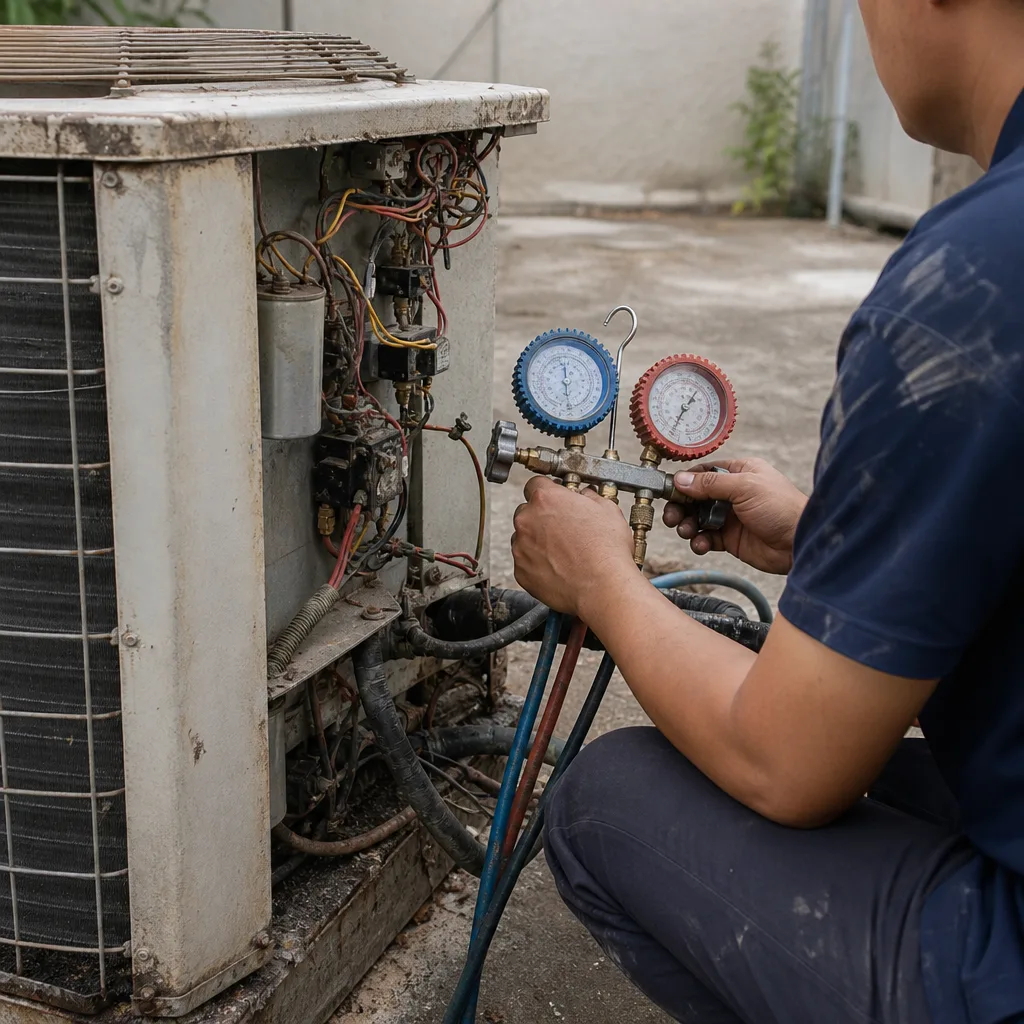 Before
 After
 Before
 After
 Before
 After