
Last updated November 15, 2026
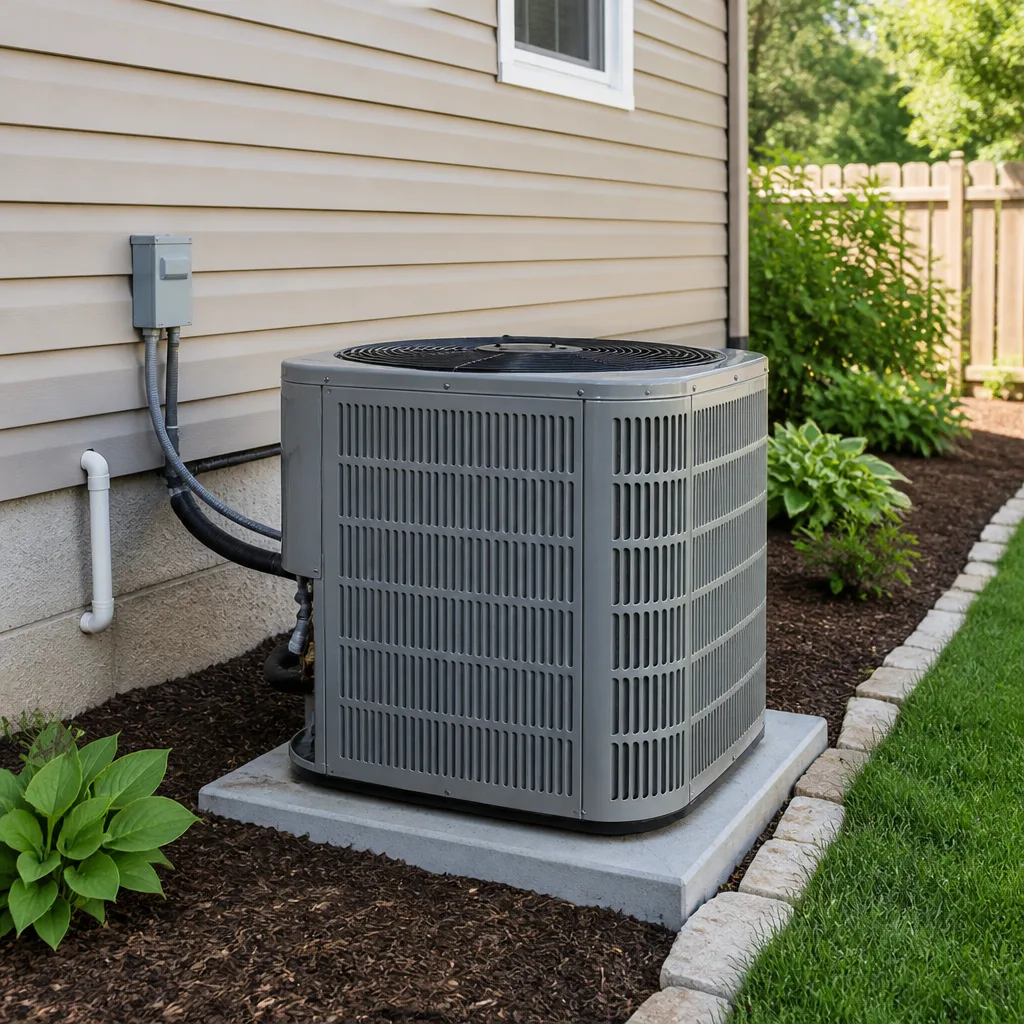 AC repair
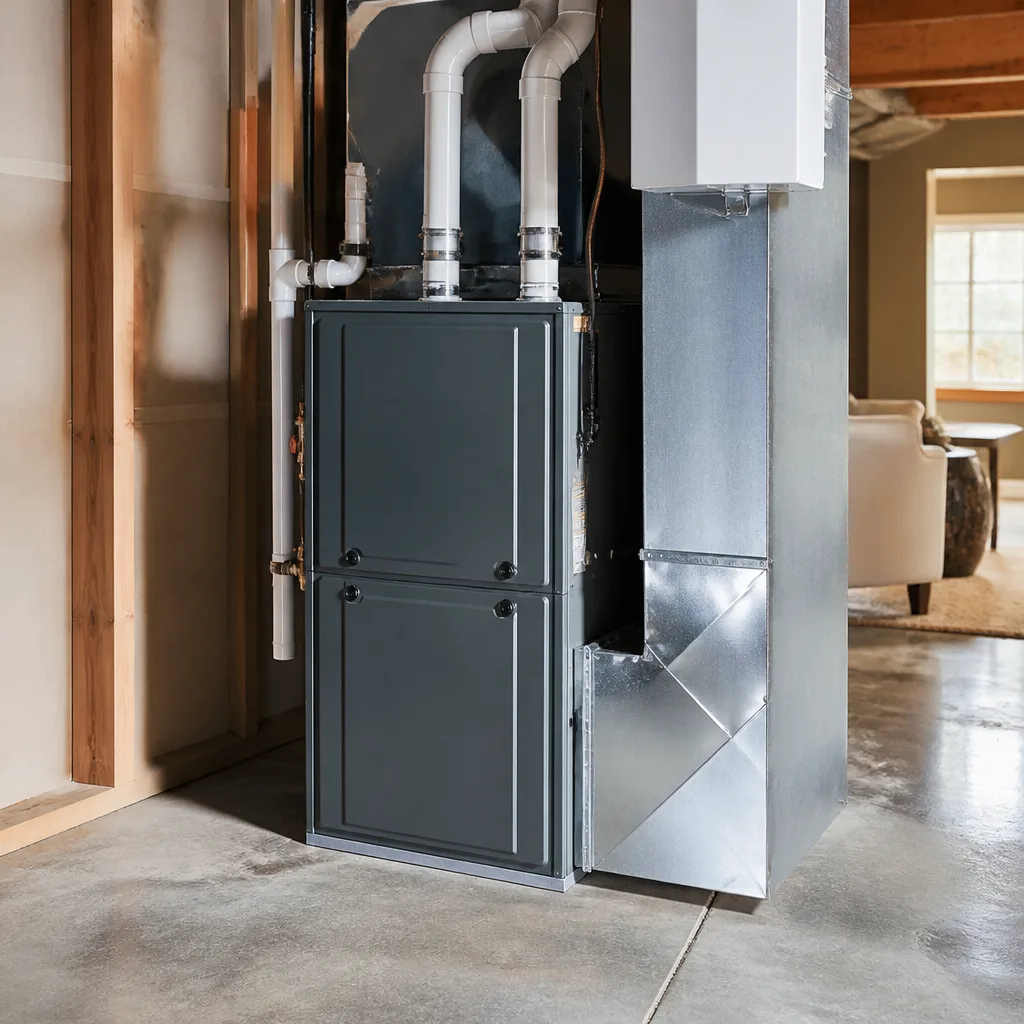 Furnace & heating
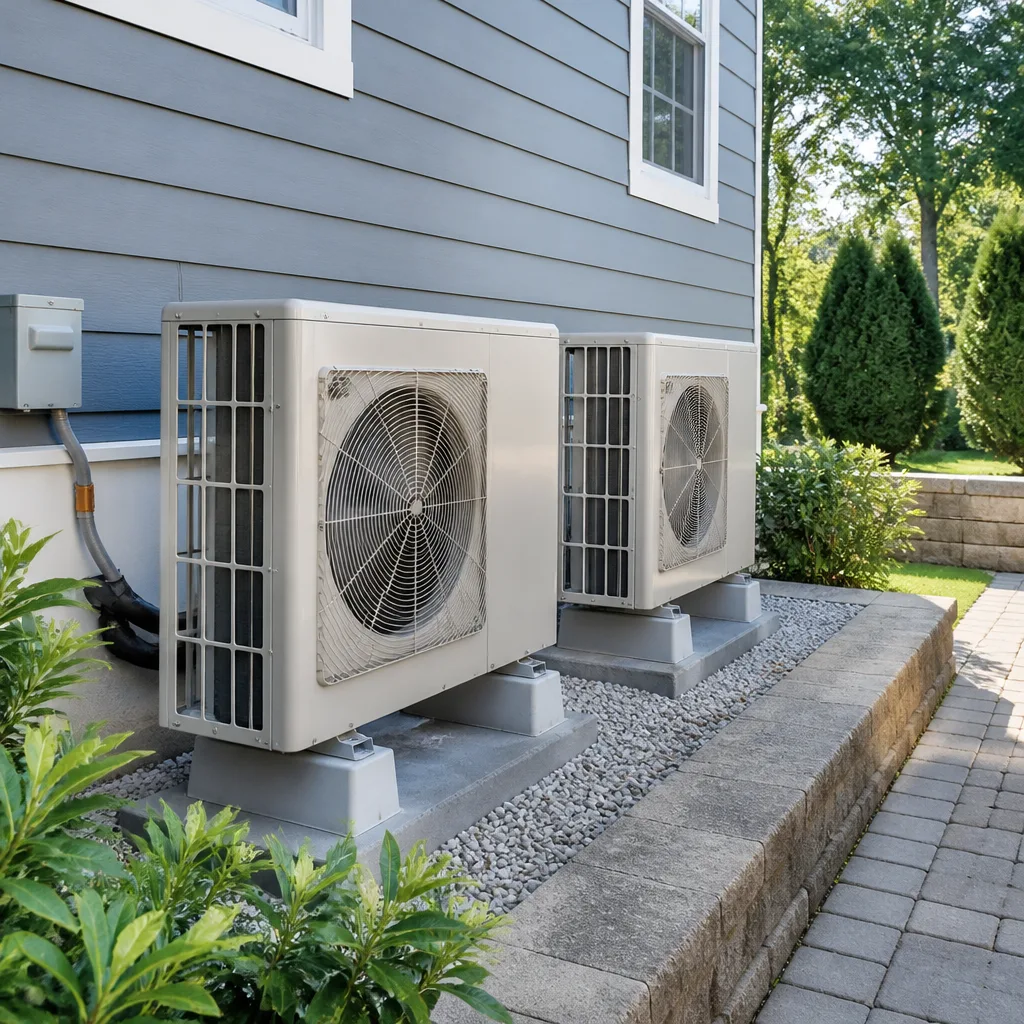 Heat pumps
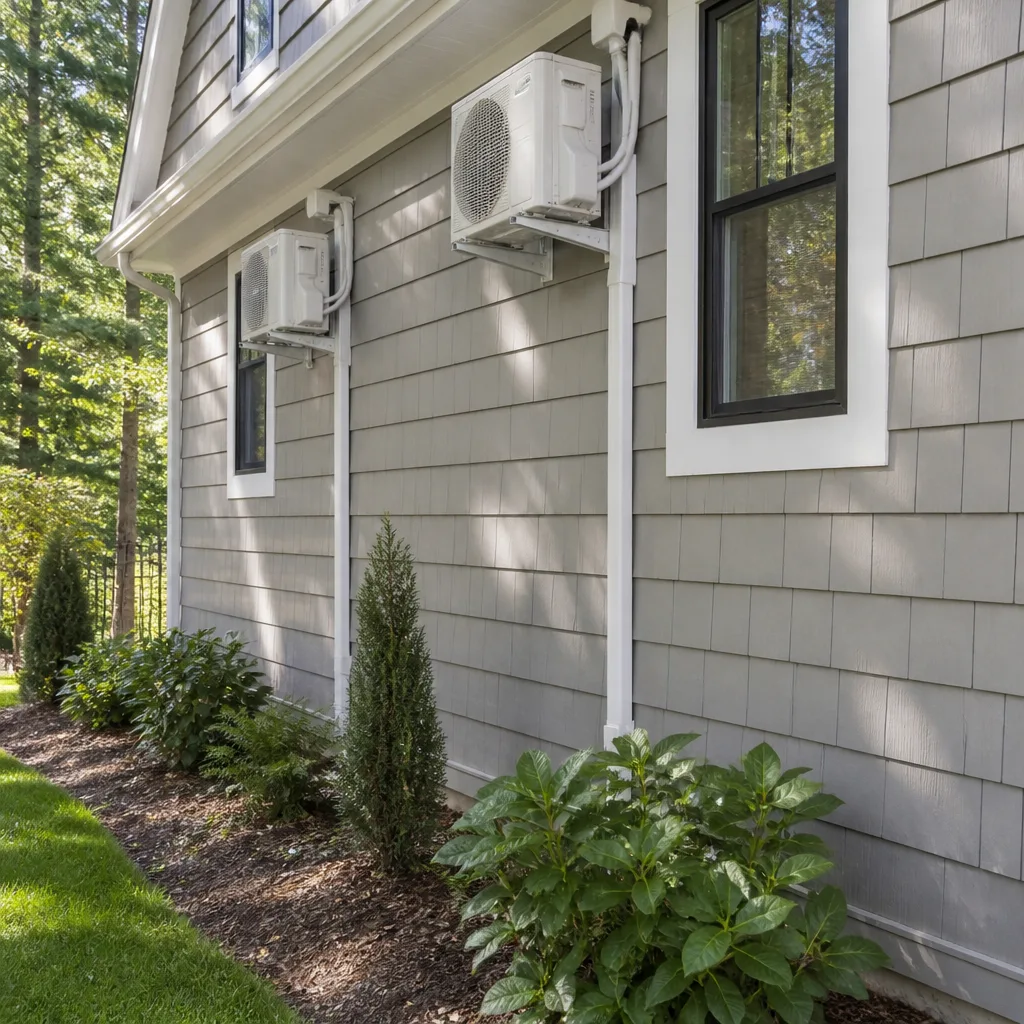 Ductless mini splits
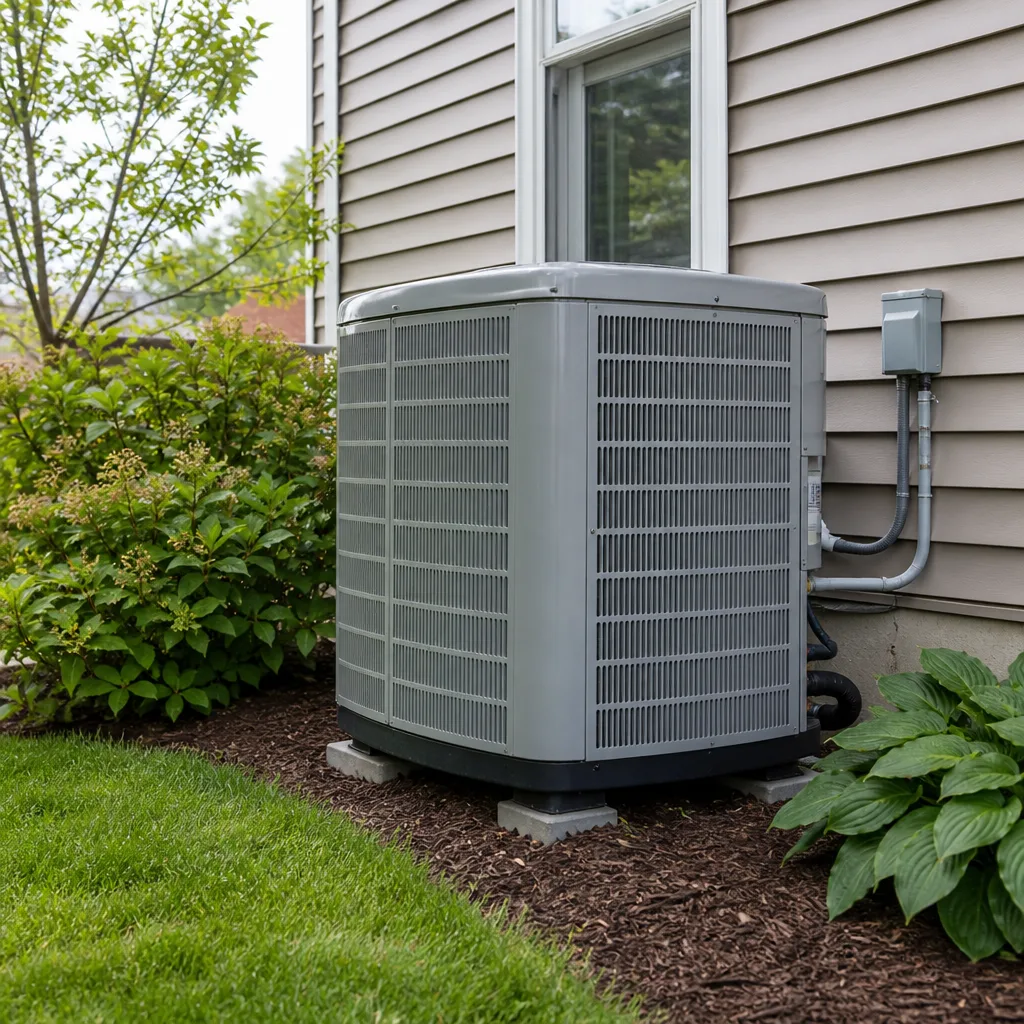 Carrier
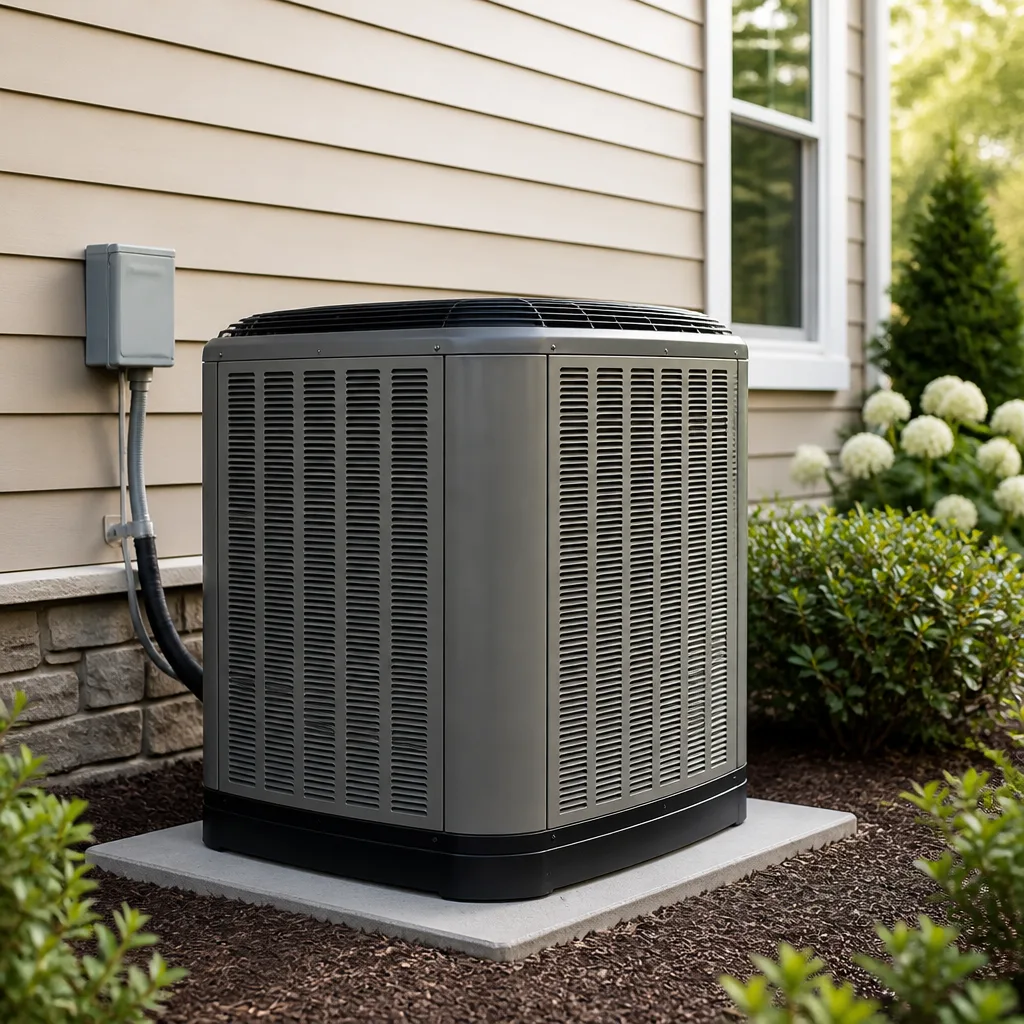 Trane
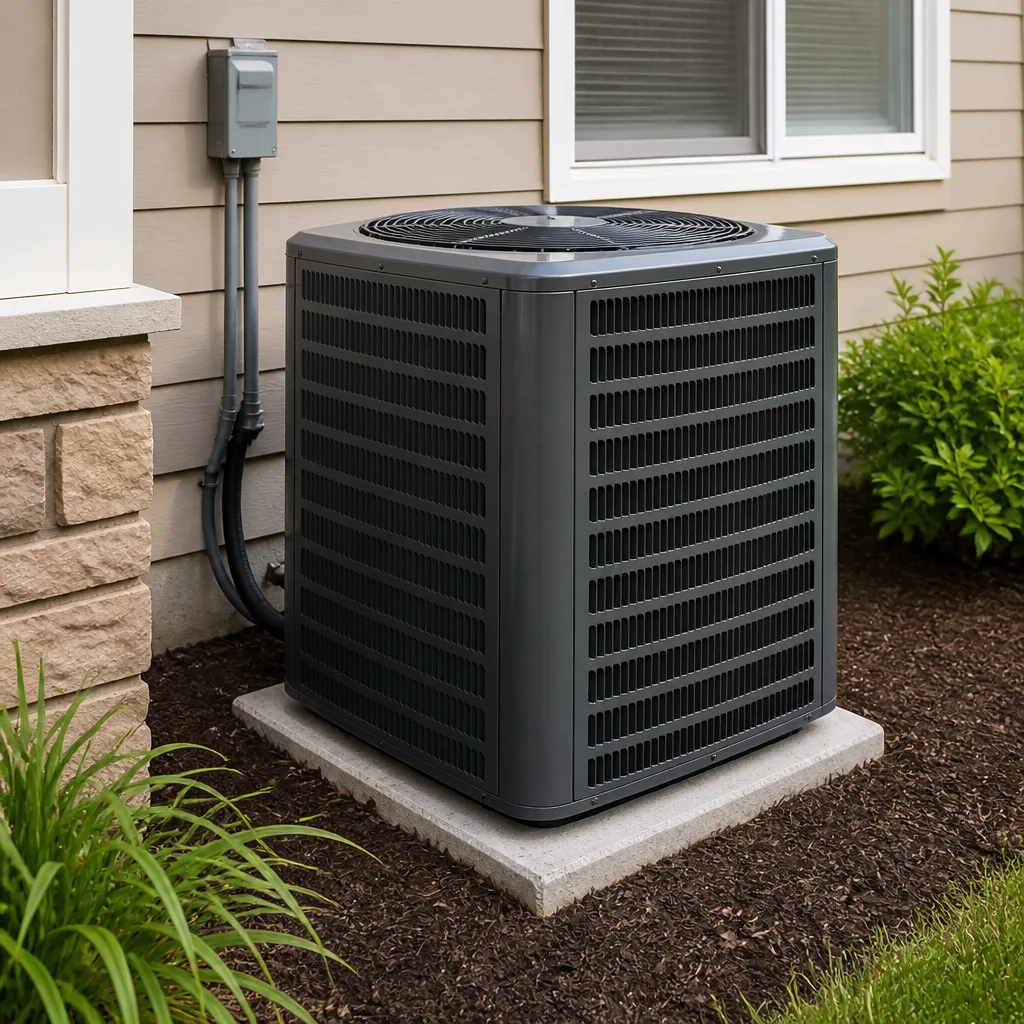 Goodman
Seasonal tune-up and full diagnostic on your Carrier, Trane, or Goodman system - readings shown to you before any repair is proposed
Diagnosis first, numbers second - you approve the repair price before a single part goes in.
Get your free estimateHVAC Permits, Codes & Inspections in Coral Springs, FL: What You Need to Know
Most homeowners think about permits as paperwork that belongs to the contractor, not to them. That assumption holds up fine until a system needs to be replaced, a house goes on the market, or a warranty claim gets denied because the installation record doesn’t exist. Florida law requires a permit for nearly every HVAC installation and for significant alterations, yet plenty of residential systems in Broward County carry no permit on record. That gap doesn’t show up during the years the system runs quietly. It shows up at closing, at claim time, or when an inspector asks for documentation nobody can produce. This guide walks through what actually triggers an HVAC permit in Coral Springs, how the application process works, what an inspection covers, and how to fix an unpermitted system before it becomes someone else’s problem.
Quick Answer
In Coral Springs, new HVAC installations, full system replacements, and duct modifications require a permit through Broward County’s building permit process, while most repairs, filter changes, and thermostat swaps do not. A licensed contractor pulls the permit, the work is inspected against the Florida Building Code and the Florida Mechanical Code, and the permit must be closed out with a passed inspection before the job is considered complete. Skipping the permit can void a manufacturer warranty and must be disclosed when the home is sold.
Styles & brands we work with
- AC repair
- Furnace & heating
- Heat pumps
- Ductless mini splits
- Carrier
- Trane
- Goodman
Table of Contents
- Which HVAC Jobs Require a Permit in Coral Springs?
- How the Broward County Permit Application Process Works
- What a Broward HVAC Inspection Actually Covers
- Florida Building Code Section 1101 and the 2023 Equipment Updates
- Unpermitted Work, Home Sales, and How to Fix It
- Why Permits Delay Some Installs and How to Avoid It
- How to Check Your Contractor’s Permit Paperwork
- Common Mistakes to Avoid
Which HVAC Jobs Require a Permit in Coral Springs?
New installs, replacements, and duct modifications require a permit in Coral Springs. Routine repairs and component swaps generally do not. The line between the two is clearer than most homeowners expect, and knowing which side of it a job falls on protects you before the work starts.
Permits are required for:
- Installing a new air conditioning or heating system, including a split system, packaged unit, or heat pump
- Replacing an existing condenser, air handler, or furnace, even when the new equipment matches the old in size and type
- Adding or removing supply and return ducts
- Changing the layout or routing of ductwork in an attic, garage, or chase
- Converting from one fuel type or system type to another, such as moving from electric resistance heat to a heat pump
- Any work that changes the electrical circuit feeding the equipment or the refrigerant line set routing
Permits are not required for:
- Diagnostic visits, refrigerant top-offs, capacitor or contactor replacement, and most component-level repairs
- Filter replacement and cleaning
- Thermostat replacement, whether it’s a straight swap or an upgrade to a programmable or smart model
- Routine maintenance and coil cleaning
The gray area is a repair that turns into a partial replacement. If a technician opens up a system and finds a cracked heat exchanger, a failed compressor, or a leaking evaporator coil, replacing that component in isolation usually doesn’t trigger a permit. Replacing the entire condensing unit or the entire air handler does. When we visit a home in Coral Springs for a furnace repair and the honest answer is that a part swap won’t hold, we tell the homeowner whether the next step crosses into permitted territory so there are no surprises.
One point worth stating plainly: the permit requirement sits with the property, not the contractor. If a previous owner installed a system without one, that record gap travels with the house. It doesn’t disappear because the current owner didn’t do the work.
How the Broward County Permit Application Process Works
The contractor pulls the permit; the homeowner does not. In Broward County, HVAC permits run through the county’s building permit system, and the application is filed by the licensed contractor performing the work, not by the property owner. In most cases the contractor files electronically, attaches the required documentation, pays the permit fee, and receives the permit before any work begins.
Here is the typical sequence:
- Contractor registration check. The contractor must be registered and licensed with Broward County and hold the correct state or local license for HVAC work.
- Application filed. The application includes the property address, scope of work, equipment make and model, and the contractor’s license information.
- Documentation submitted. Equipment specification sheets, a load calculation when the job calls for one, and any electrical or structural details connected to the install.
- Permit issued. The permit number is issued and posted, and work can begin.
- Rough inspection, if applicable. For work involving duct runs or refrigerant line routing, an inspector may look at the rough-in before the system is closed up.
- Final inspection. Once the install is complete, the inspector verifies the equipment against the permit, checks the installation against code, and either passes the job or documents what needs correcting.
- Permit closed. A final passed inspection closes the permit, and that record becomes part of the property’s file.
The most common reasons an HVAC permit gets rejected at intake are simple and avoidable:
- A contractor who isn’t registered with the county
- Missing or mismatched equipment specification sheets
- A scope of work that doesn’t describe what’s actually being installed
- Electrical or structural work folded into the job without the corresponding permit
- A load calculation that doesn’t match the equipment being installed
The other reason jobs stall is that the homeowner hired a contractor who doesn’t pull permits at all, or “forgets” and promises to file after the fact. An open permit discovered years later, with no inspection on file, is harder and more expensive to resolve than one filed correctly the first time. We mention the permit before the job starts, not after.
What a Broward HVAC Inspection Actually Covers
A Broward HVAC inspection verifies the equipment and its installation against the permit and the mechanical code. It’s not a performance test, and it isn’t a diagnostic visit. The inspector is looking for whether what was installed matches what was approved and whether the install meets code.
The checklist items an inspector typically walks through:
- Permit and scope. Does the equipment on the roof, in the attic, or on the side of the house match the equipment listed on the permit and the submitted specification sheets?
- Data plate. Is the data plate on the unit visible and legible, with manufacturer, model, and serial number matching the application?
- Electrical connections. Is the disconnect within sight of the unit, is the circuit correctly sized, and is the wiring protected?
- Refrigerant line set. Are the lines properly supported, insulated, and routed in a way that doesn’t damage the structure or leave them exposed to damage?
- Condensate management. Does the condensate drain have the proper slope, trap, and a secondary or overflow protection that routes where it should? In south Florida, a missed drain issue is one of the most common causes of water damage to ceilings and walls.
- Duct connections and sealing. Are ducts connected, sealed, and supported properly at the air handler and in the conditioned space?
- Clearances and access. Is the unit accessible for service, with the required clearance around it for airflow and maintenance access?
- Combustion air and venting (for gas equipment). On gas-fired furnaces, the vent and combustion air provisions are checked. This is one of the few areas where a fail is treated as urgent because the safety stakes are real.
- Platform and securing. Is the unit secured to its platform or pad, and is the platform capable of supporting it?
The most common inspection fails we see are equipment that doesn’t match the permit, a missing or inaccessible disconnect, a condensate drain without proper overflow protection, and improper penetrations through the roof or ceiling that leave gaps or exposed edges. Each one is fixable, but each one delays the closeout.
A few things the inspector is generally not doing: checking whether the equipment meets current federal efficiency minimums (that’s handled at the permit application stage), testing system charge and airflow to the level a startup technician would, or writing up the kind of performance report a homeowner gets from a good commissioning walk-through. If a technician’s startup report and the inspection are both done correctly, they cover different ground, and both matter.
Florida Building Code Section 1101 and the 2023 Equipment Updates
Florida Building Code Section 1101 is the mechanical chapter of the code, and it sets the requirements for HVAC installations in residential buildings. It covers items like ventilation, duct construction and installation, equipment access, condensate disposal, and the general requirement that appliances be installed according to the manufacturer’s listing and instructions. The mechanical code and the equipment manufacturers’ installation manuals work together; the code says you follow the listing, and the listing is the manual.
The 2023 code update cycle changed several things that affect residential HVAC work:
- Equipment efficiency minimums. The federal minimum efficiency standards for residential central air conditioners and heat pumps changed in 2023, and units installed in Florida now have to meet the updated SEER2 requirements. Older equipment that was legal to install a few years ago can’t be installed new today.
- Refrigerant transition. The industry is moving from R-410A toward lower-GWP refrigerants. The timing of that transition varies by equipment type, but it affects what’s available, and it affects replacement planning when an existing system was built around R-410A.
- Duct leakage and sealing provisions. Duct sealing and insulation requirements in the code have tightened, which shows up in inspection. Ducts that were acceptable ten years ago may need sealing before an inspector will pass the job.
- Access and platform requirements. Service access, platform support, and equipment clearances have become more specific, which is one reason a replacement that fits the old footprint doesn’t always pass without adjustment.
The practical upside of these updates is a system that’s properly sized, properly sealed, and more efficient than what it replaced. The practical downside is that replacements in Coral Springs sometimes require duct adjustments and platform work that weren’t in the original plan. Getting the load calculation and the code details right before the equipment is ordered is what keeps a two-day install from stretching into something longer.
If you’re moving from an older AC installation plan to a new system and want to know how the code updates affect what’s available, that’s a conversation worth having before a unit is chosen, not after.
Unpermitted Work, Home Sales, and How to Fix It
Unpermitted HVAC work on a property must be disclosed when the home is sold, and it can hold up a closing until it’s resolved. The disclosure requirement exists because a buyer deserves to know whether improvements were permitted and inspected. In practice, the problem usually surfaces during the buyer’s inspection or during the title and permit search, which is exactly when the seller has the least flexibility.
Where it goes wrong for the seller:
- Buyer requests. A buyer can ask the seller to permit and inspect the work, price it into the sale, or walk away. Each of those outcomes is more expensive than pulling the permit originally.
- Warranty complications. Some manufacturer warranties require a documented, code-compliant installation, and a missing permit can complicate a claim.
- Insurance questions. A system installed without a permit and without inspection may raise questions at claim time, particularly if the damage involved the HVAC system.
- Appraisal and lending. Lenders can require that significant systems be permitted, and an open or missing permit can affect financing.
Retroactive permitting is possible. The process usually works like this:
- Identify what was installed. Model and serial numbers from the data plate, plus any installation records, invoices, or photos.
- Contact the county. Broward County’s building department can tell you whether a permit exists on the property or whether one must be applied for retroactively.
- File for the correct permit. The permit is filed for the work as it was done, and the application documents the existing installation.
- Inspection. An inspector reviews the installation. If it fails, the corrections are made and reinspected.
- Close the permit. Once the inspection passes, the permit is closed and the record exists.
Retroactive permits sometimes involve opening walls, adding access panels, or redoing connections that were never visible before. It’s almost always more expensive than permitting the job up front, and there’s no guarantee the installation will pass without correction. The better answer is to ask for the permit number before work starts and to keep it on file along with the equipment manual and startup report.
Why Permits Delay Some Installs and How to Avoid It
Permits don’t usually delay a simple replacement. They delay installs where the paperwork, the equipment, or the site conditions don’t line up on the first pass, and where corrections push the job into a second inspection cycle.
The usual culprits:
- Load calculation mismatch. A permit application that specifies a two-ton system when the load calculation calls for a different size will get kicked back. Getting the calculation right before ordering the equipment is the fix.
- Incomplete specification sheets. If the equipment spec sheet doesn’t match the model being installed, the permit can’t be issued as filed.
- Duct work scope left off. Homeowners often think of the install as the equipment only. If the job involves duct modification, and the scope of work doesn’t mention it, the permit has to be revised.
- Electrical work bundled in. A new circuit for the equipment requires an electrical permit in addition to the mechanical permit, and that’s a separate inspection.
- Site access and platform issues. Attic installations in Coral Springs often involve tight access, and the inspector needs to be able to see and reach the equipment. If the access is inadequate, the installation may need modification before it will pass.
The fix is straightforward: get the load calculation and scope of work right, file the complete application, order the equipment to match, and schedule inspections as soon as the install is ready. A job that’s planned properly stays on its original timeline. A job where the paperwork is treated as an afterthought doesn’t.
For homeowners weighing a repair against a replacement, this is one of the reasons we push for clarity before the decision. Repair keeps you on your current schedule. Replacement is a scheduled project, with a written fixed price, a set install date, and the permit and rebate paperwork handled as part of the job. We won’t promise a same-day install, because replacement isn’t that kind of work. We will tell you which option actually makes sense and what it involves.
How to Check Your Contractor’s Permit Paperwork
Checking your contractor’s permit paperwork takes a few minutes and protects the largest investment in your home’s comfort. The contractor should be able to answer these questions directly, without a follow-up call.
Ask:
- Will you pull the permit? The answer should be yes, and the permit should be in the contractor’s name, not yours.
- Can I have the permit number? A legitimate contractor can provide it. The permit number is public record and can be verified with Broward County.
- What name is on the permit? It should match the company you hired, not a subcontractor you’ve never met.
- When is the inspection scheduled? The inspection should be scheduled as part of the job, not left for you to arrange.
- What happens if the inspection fails? The contractor should correct the issue and handle the reinspection as part of the job.
- Will I get a copy of the closed permit? A closed permit with a passed inspection is the record you want for your files. Keep it with the equipment manual and the startup report.
Two other pieces of documentation are worth keeping alongside the permit: the manufacturer’s manual for the equipment actually installed, and the startup or commissioning report from the technician who installed it. Together they tell the next technician, the next owner, or the next inspector exactly what was installed and how it was set up. Our technicians have up to 13 years of experience, and one thing that comes up on almost every service call in an older home is missing documentation. It costs nothing to keep and it’s worth a great deal at the right moment.
One more check worth doing: ask whether the contractor services the brand of equipment already in your home. We work on Carrier, Trane, Lennox, Goodman, Rheem, York, Daikin, Bryant, and American Standard, so diagnosis and repair happen on the equipment you actually have, not only on the brands a dealer prefers to sell. That matters most when you’re deciding between repair and replacement, because a brand-neutral diagnosis tells you what the system needs, not what the sales sheet wants. If you’re in Coral Springs and want a straight answer, we’re glad to give one.
Common Mistakes to Avoid
- Assuming the contractor handles the permit without asking. Some do, some don’t, and some say they will and file late. Ask before work starts and get the permit number in writing.
- Treating duct work as part of the equipment install. Duct modifications require a permit on their own. Leaving duct work off the scope of work is one of the most common reasons a permit has to be revised mid-job.
- Letting the load calculation get skipped. A permit application that specifies equipment without a load calculation matching it is likely to get rejected, and an oversized or undersized system underperforms regardless. In south Florida’s long cooling season, an oversized system cools fast and dehumidifies poorly, which shows up as a clammy house.
- Installing a unit that doesn’t meet the current efficiency minimums. The 2023 code updates changed what’s legal to install new. Older stock may be available, but it isn’t necessarily installable.
- Skipping the permit on a repair that becomes a replacement. A “repair” that ends with a new condenser installed without a permit is unpermitted work. It’s the same disclosure problem, only harder to catch.
- Not asking for the inspection result. A pass is the point. A permit that stays open isn’t the same as a permit that closed.
- Buying a home without checking the permit history on the HVAC system. During the due diligence period, ask for the permit number and verify it with the county.
See the difference
 Before
 After
 Before
 After
 Before
 After
When to Call a Professional
Call a professional before you sign anything that touches the HVAC system, and call before the first truck arrives. If you’re planning a replacement, a duct change, or a switch to a different system type, the permit question needs an answer before the equipment is ordered. If a repair is on the table and you’re unsure whether it will become a replacement, ask the technician to walk you through the threshold. If you’ve just bought a home and the permit history on the HVAC system is unclear, that’s a conversation worth having before the closing period ends. If you’ve discovered unpermitted work, get a professional assessment before you decide how to proceed; sometimes it’s a straightforward retroactive permit, sometimes it’s a correction. Clover AC Repair offers free estimates in Coral Springs, and we’ll tell you what the job involves before you commit. Call (833) 501-2993.
Frequently Asked Questions
Yes. Replacing an existing air conditioner, air handler, or furnace requires a permit in Coral Springs, even when the new unit matches the old one in size and type. The permit is pulled by the licensed contractor, and a final inspection must pass before the job is closed out. The permit record matters later for warranty and resale. Call (833) 501-2993 for an exact quote on a permitted replacement; estimates are free.
Yes. Thermostat replacement, including upgrading to a programmable or smart thermostat, does not require a permit, and neither does filter replacement or routine maintenance. Anything that touches the equipment, the refrigerant circuit, or the ductwork is a different situation. If you’re not sure which side of the line a job falls on, ask before you start.
Timelines vary by job scope and county workload, and we won’t quote a number that isn’t reliable. What we can say is that the permit is issued after the application is filed and reviewed, and the final inspection happens after the installation is complete. Jobs that stall almost always involve incomplete applications, mismatched equipment, or scope that was left off. Getting the paperwork right upfront is what keeps a job on schedule rather than pushing it into a second inspection cycle.
The work is unpermitted, and it must be disclosed when the home is sold. It can also complicate a warranty claim and raise questions at insurance claim time. Retroactive permitting is possible: you identify what was installed, contact Broward County to check the record, file a permit for the work as done, and pass an inspection. It’s almost always more work and more expense than permitting the job originally. Call (833) 501-2993 if you want a professional assessment first.
Most furnace repairs do not require a permit; furnace replacement does. Component-level repairs like a failed igniter, a bad blower motor, or a pressure switch replacement are generally exempt. Replacing the furnace itself triggers the permit requirement, and a permit is also needed when a repair becomes a partial system replacement. If the technician’s honest answer is that a repair won’t hold, ask whether the next step crosses into permitted territory.
Yes. After a permitted installation, a final inspection verifies the equipment against the permit, checks electrical connections, refrigerant line routing, condensate management, duct sealing, clearances, and access. For gas furnaces, venting and combustion air provisions are also checked. Passing the inspection is what closes the permit. A failed inspection means corrections are made and the inspector comes back, which is why the install details matter from the first day.
The Bottom Line
In Coral Springs, the HVAC jobs that need a permit are the ones that matter most: new installs, replacements, and duct modifications. The ones that don’t are repairs and component swaps. The permit is pulled by the licensed contractor, the installation is inspected against the Florida Building Code and the Florida Mechanical Code, and a passed inspection closes the job. The 2023 code updates tightened equipment efficiency minimums and sealing requirements, which is one reason a replacement planned around an old footprint sometimes needs adjustment. Unpermitted work must be disclosed at sale and can complicate a warranty claim, but it can be fixed through retroactive permitting. The cheapest path through any of this is planning: correct load calculation, complete application, equipment that matches, and an inspection scheduled as part of the job. If you’re weighing repair against replacement and want a straight answer, we’d be glad to help.
Call (833) 501-2993 for a free estimate. We answer 24/7. Fast dispatch from 7am to 7pm, Sunday through Friday. Whether you’re ready to book a Clover AC Repair visit or you just want to understand what your job involves before you decide, the call is the fastest way to get there.
Written by the team at Clover AC Repair.