
Last updated November 15, 2026
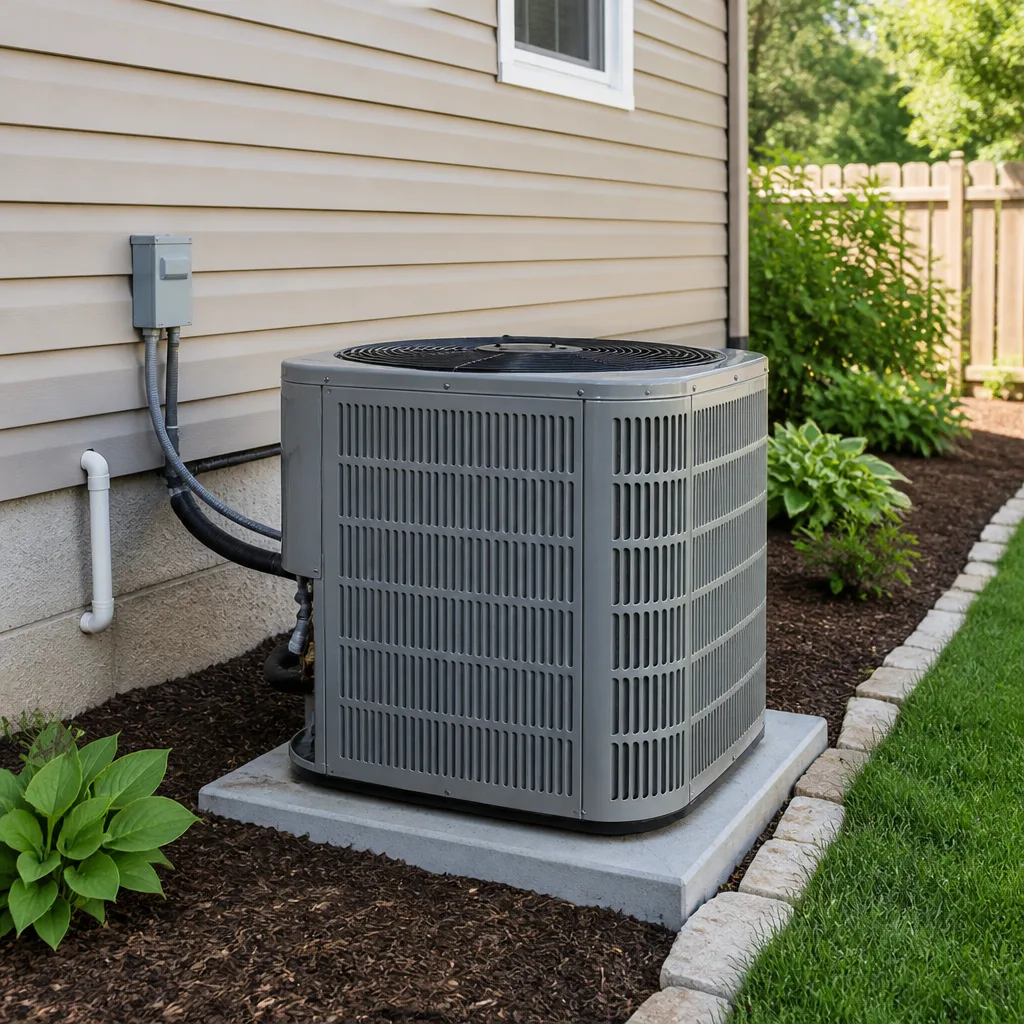 AC repair
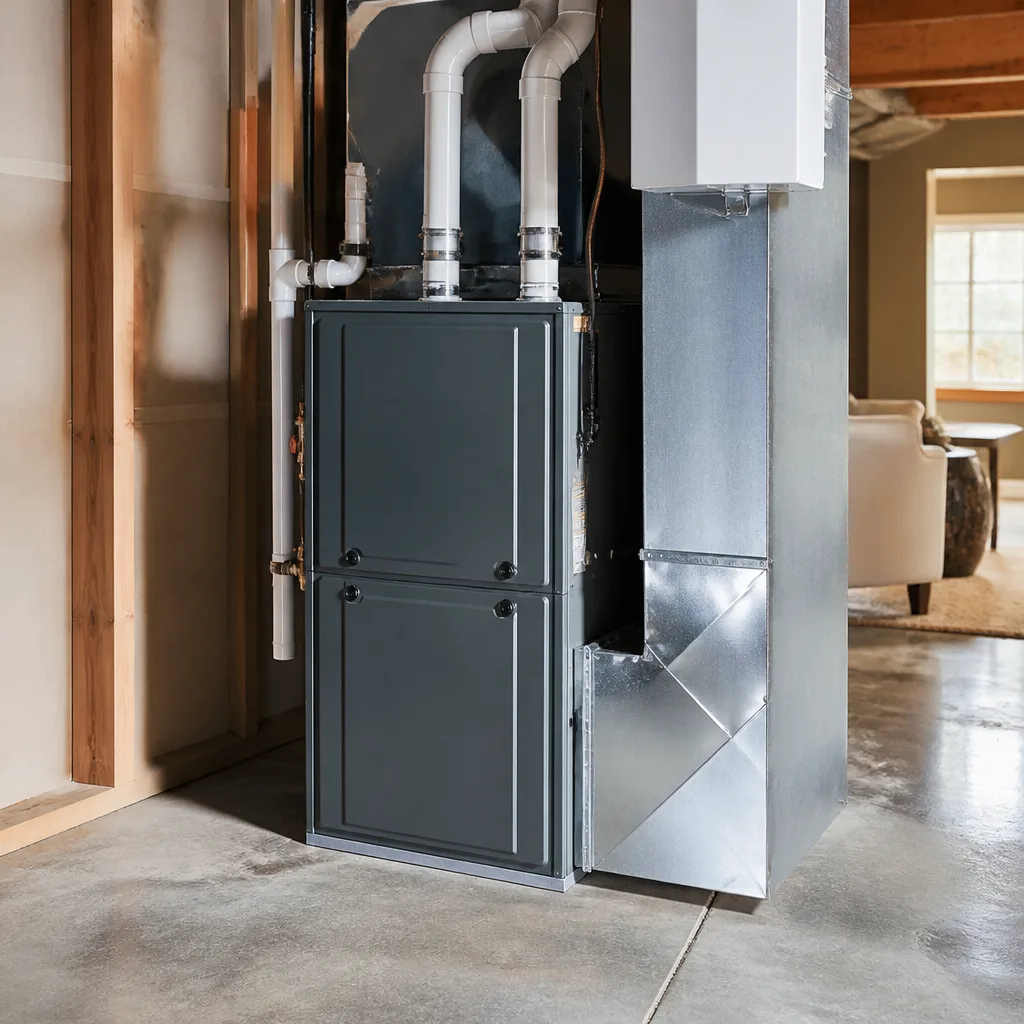 Furnace & heating
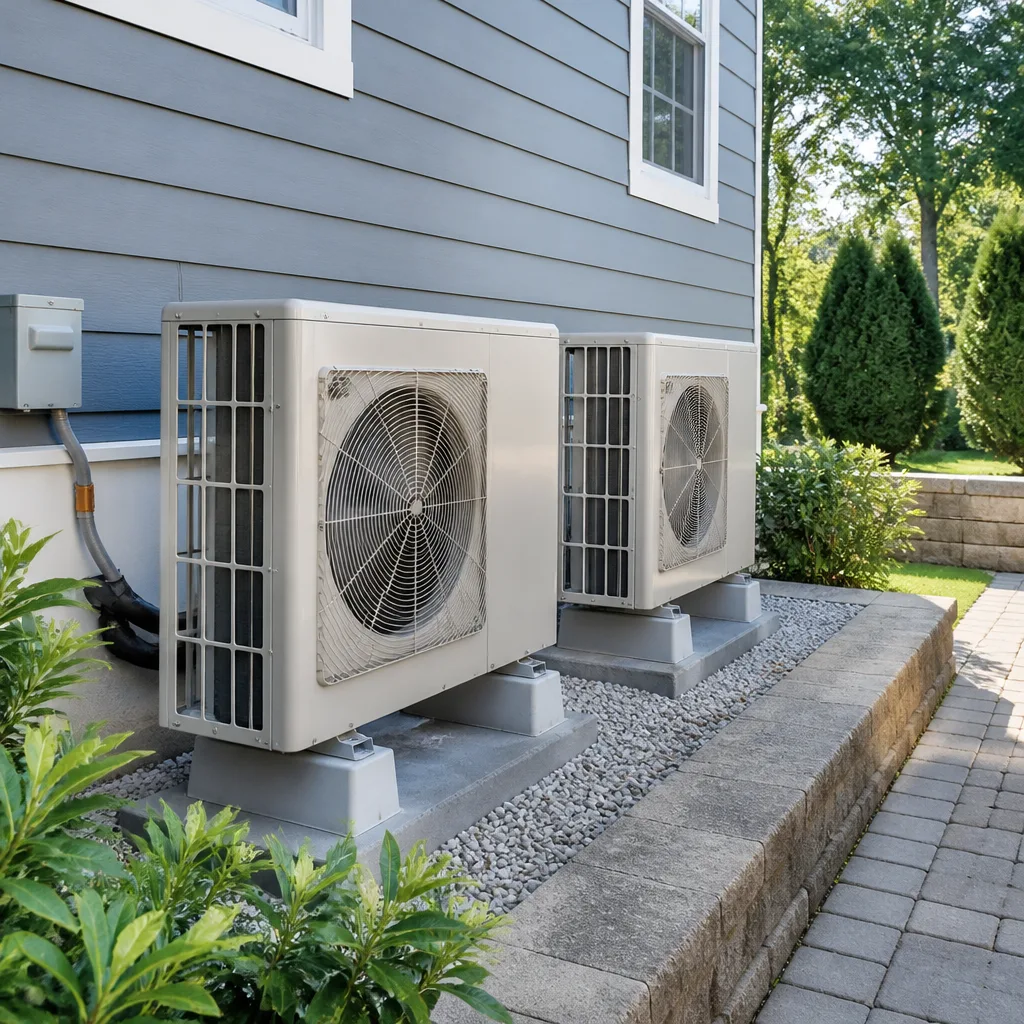 Heat pumps
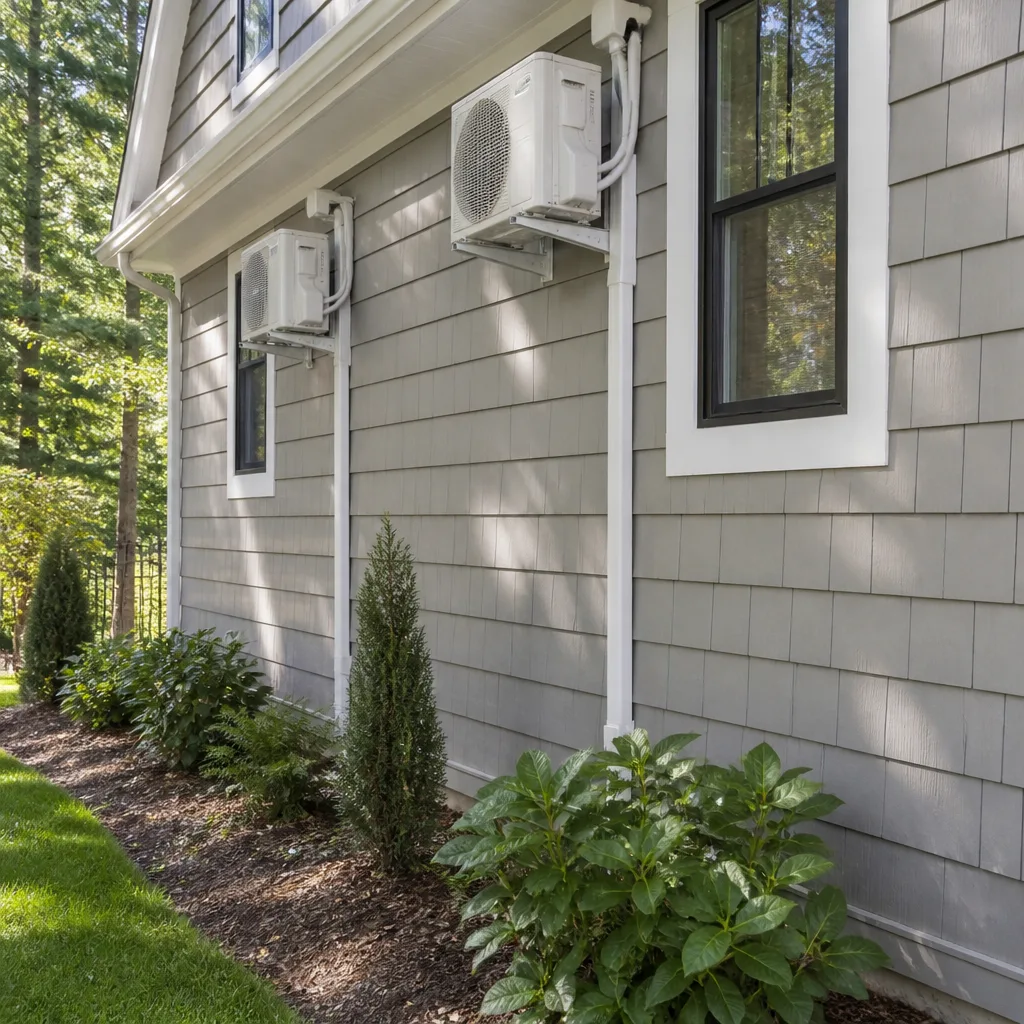 Ductless mini splits
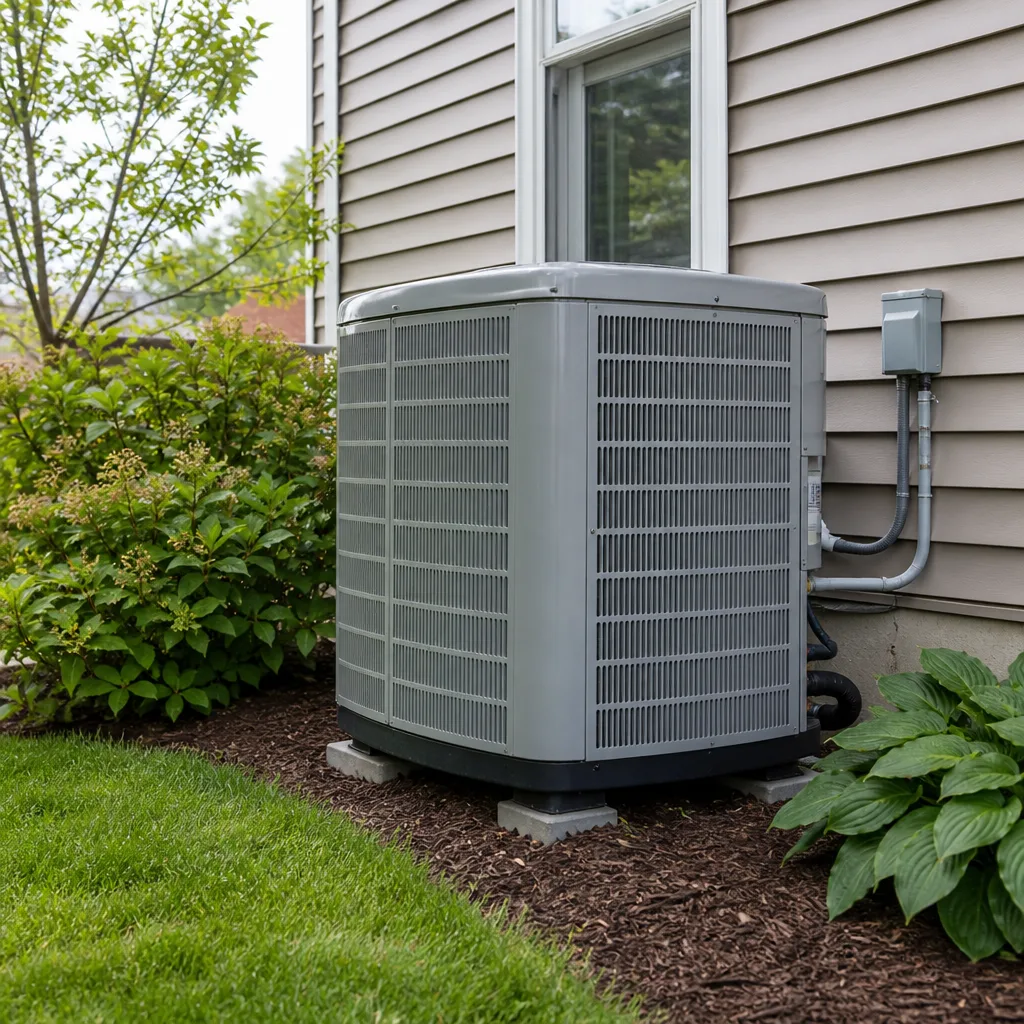 Carrier
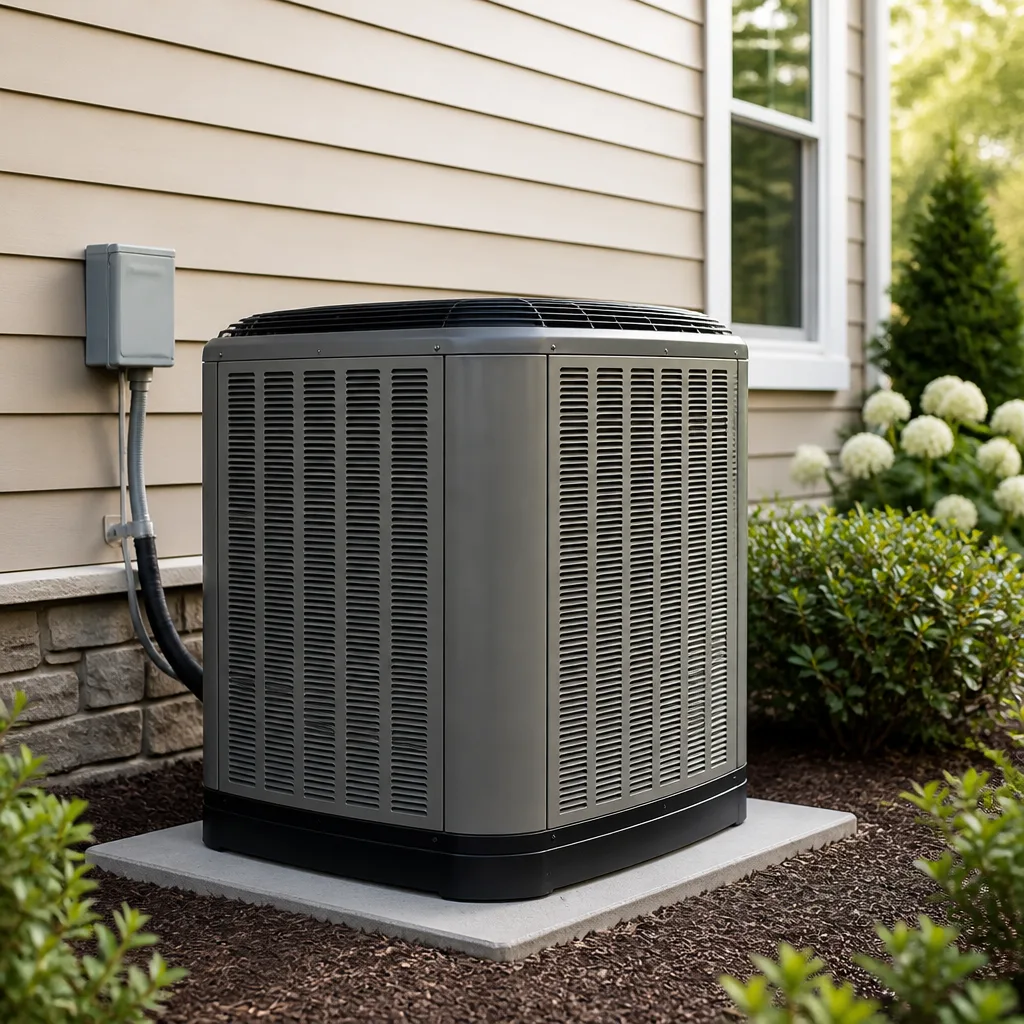 Trane
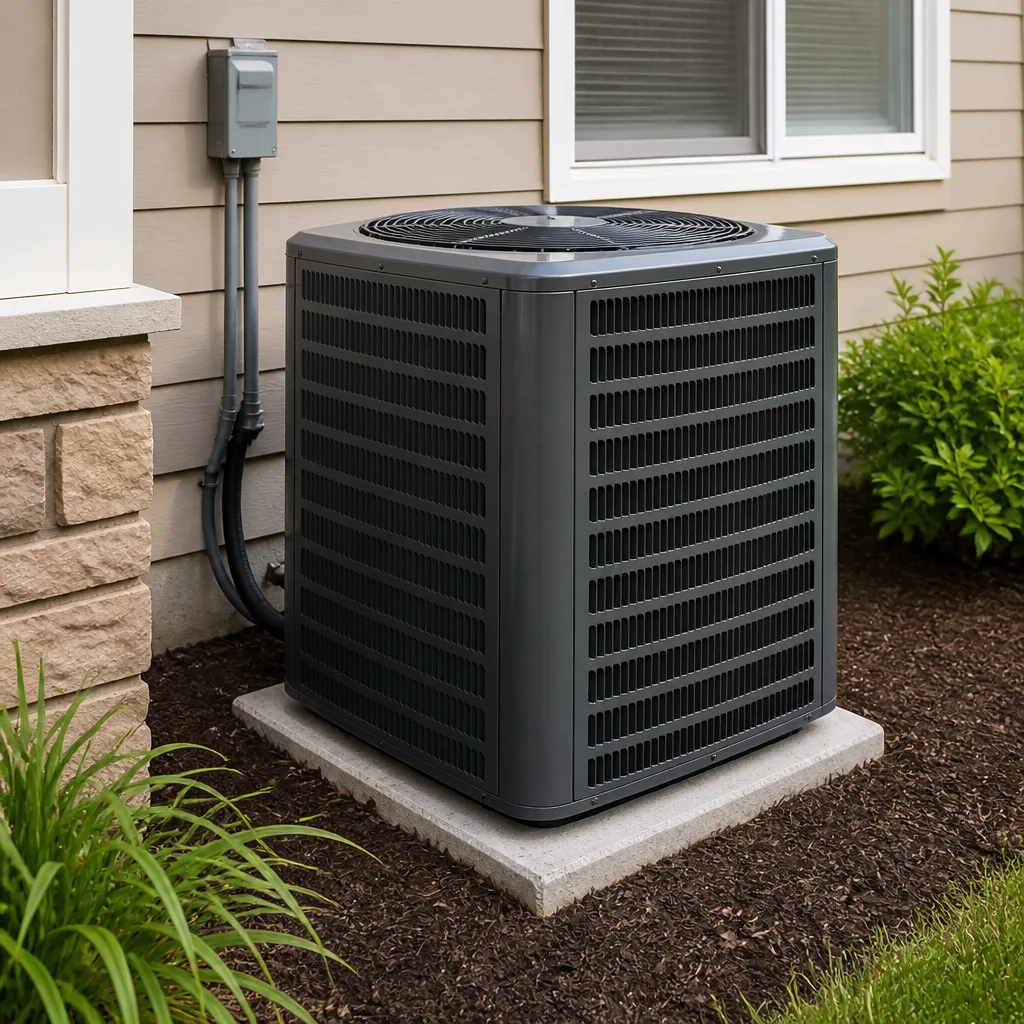 Goodman
Seasonal tune-up and full diagnostic on your Carrier, Trane, or Goodman system - readings shown to you before any repair is proposed
Diagnosis first, numbers second - you approve the repair price before a single part goes in.
Get your free estimateDIY vs Professional HVAC: The Coral Springs Homeowner’s Decision Guide
Most homeowners frame the DIY versus professional HVAC debate as a question of skill and money. That framing misses the real issue in Coral Springs. Florida law draws a hard line between the work you may legally do on your own system and the work that requires a licensed contractor, and that line has nothing to do with how handy you are. A homeowner who changes filters and flushes a drain line is on solid legal ground. The same homeowner who opens a refrigerant circuit has broken federal law, regardless of whether they got the system running again. Knowing exactly where that boundary sits protects you from voided manufacturer warranties, failed inspections and gaps in your homeowner’s insurance that surface at the worst possible moment. This guide walks through the line task by task, the warranty fine print the big brands actually write, the DIY jobs worth your Sunday afternoon in South Florida humidity, and a decision tree you can run in under five minutes.
Quick Answer
In Coral Springs and across Broward County, homeowners can legally handle filter replacement, thermostat swaps, condensate drain flushing and exterior coil cleaning. Anything involving refrigerant, brazing, electrical panel connections or a full system replacement requires a licensed contractor. Refrigerant work specifically requires EPA Section 608 certification under federal law, so handling it without that credential is a violation no matter how the job turns out. When in doubt, a free estimate from a licensed professional costs you nothing and tells you exactly where your job falls.
Styles & brands we work with
- AC repair
- Furnace & heating
- Heat pumps
- Ductless mini splits
- Carrier
- Trane
- Goodman
Table of Contents
- Where Florida Law Draws the Line for Homeowners
- The Warranty Fine Print on the Nine Major Brands
- DIY Tasks Worth Doing in South Florida Conditions
- The Hidden Cost of DIY Mistakes in Coral Springs Humidity
- The Five-Minute Decision Tree
- What Professional HVAC Work Typically Costs in Coral Springs
- When the Job Crosses the Line
Where Florida Law Draws the Line for Homeowners
The short version: Florida’s construction licensing framework reserves certain HVAC tasks for state-licensed contractors, and federal environmental law adds a separate layer on top for refrigerant. The Florida Department of Business and Professional Regulation issues the licenses, and Broward County enforces permitting at the local level through its building department. What that means in practice is that the legality of your own repair depends on which component you touch, not on whether you can physically do the job.
Here’s how the tasks break down for a typical Coral Springs home:
| Task | Legal for Homeowner | Typical Permit Needed |
|---|---|---|
| Filter replacement | Yes | No |
| Thermostat swap (low-voltage, like-for-like) | Yes | No |
| Condensate drain flush | Yes | No |
| Outdoor coil rinsing and fin straightening | Yes | No |
| Adding or recovering refrigerant | No – EPA 608 required | N/A |
| Compressor replacement | No – licensed contractor | Yes |
| Full system replacement | No – licensed contractor | Yes |
| New circuit or disconnect wiring | No – licensed electrical | Yes |
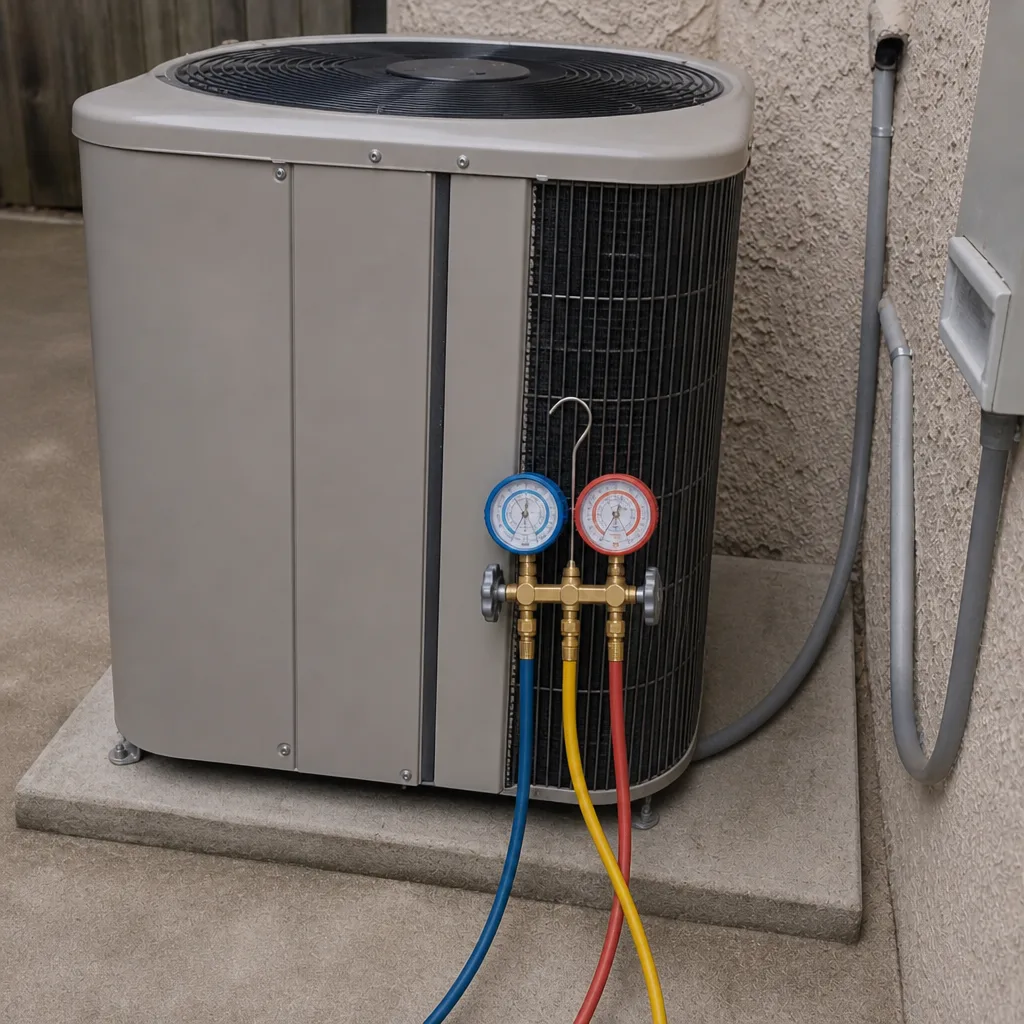
The refrigerant row is the one that catches people. The Clean Air Act, enforced through the EPA’s Section 608 program, makes it illegal for anyone without certification to handle regulated refrigerants. That’s federal law, and it applies whether you’re in a Coral Springs townhome or anywhere else in the country. Even if a homeowner buys a jug of refrigerant online, using it without certification is a violation, and some supply houses now require proof of certification before a sale. Electrical work outside the low-voltage thermostat circuit is similarly closed off, because panel and disconnect connections require a licensed electrician and a permit.
Permits matter for more than compliance. Broward County inspection records follow the property. When you go to sell a Coral Springs home, an unpermitted HVAC change can surface in the title search or a buyer’s inspection and force a retroactive permit application at your expense. If you’re planning a major change, call our team to understand what a permitted job looks like from start to finish.
The Warranty Fine Print on the Nine Major Brands
Manufacturer warranties vary on the exact wording, but the pattern holds across the brands we work on every day. The industry’s most common warranty structure covers parts from the manufacturer and labor from the installing contractor. When a non-licensed party does the work, both sides of that structure usually drop away. Here’s what the fine print says in substance rather than in exact quotes, since specific language is updated by each manufacturer.
Across Carrier, Trane, Lennox, Goodman, Rheem, York, Daikin, Bryant and American Standard, the common themes are:
- Improper installation voids the parts warranty. Most brands require installation by a licensed contractor in accordance with local codes. A homeowner install of a new air handler or condenser almost always fails this test.
- Unauthorized refrigerant handling voids coverage. If a system failed due to improper charging, an overcharge, or contamination from unapproved refrigerant, brands will usually decline the claim.
- Damage from a secondary cause is excluded. If a DIY repair leads to a compressor failure or a cracked coil, expect a fight over causation. The warranty department will ask who performed the last service and may request invoices.
- Routine homeowner maintenance is usually protected. Changing filters and rinsing the outdoor coil generally do not void anything. Most brands expect the homeowner to keep the filter clean and the condenser clear.
Goodman has historically had a somewhat more homeowner-friendly registration process for parts on some product lines, and some brands offer longer warranties on registered systems than on unregistered ones. The registration details change, so it’s worth asking what applies to your specific model before you decide to go it alone.
The practical upshot is that a homeowner who handles only the tasks Florida law permits keeps their warranty intact. The homeowner who tries a compressor swap, or who has a neighbor top off the refrigerant, risks losing the very coverage that would have paid for a replacement later. On a Coral Springs system that’s already a decade old, that coverage is worth real money. On a brand-new heat pump, it’s the difference between a repair and a full replacement on your dime. We handle claims on all nine brands when you need them; if you’ve got a Carrier or Lennox system under warranty and you want to know where you stand, we can check that during a service call.
DIY Tasks Worth Doing in South Florida Conditions
Not every maintenance task needs a technician. Several of the highest-frequency jobs are ones any reasonably careful homeowner can do on a Sunday afternoon, and doing them keeps the system running well between visits. Here’s the list, with the specifics that matter for Coral Springs weather.
- Filter replacement. Check the filter monthly during the heavy cooling months. South Florida’s long cooling season means the system runs more hours per year than a northern counterpart, so filters load up fast. Use the MERV rating your system is rated for; going too high restricts airflow and strains the blower. Note the size on the old filter and write it on the edge of the filter slot so you never have to measure again.
- Condensate drain flush. Pour a cup of distilled white vinegar or a plain bleach solution down the condensate drain line once a month. In Coral Springs, the rainy season pushes a lot of moisture through that line, and the standing water plus warm air is a perfect environment for algae growth that clogs the drain. A clear line means no water on the floor and no shutoff from a full float switch.
- Outdoor condenser rinse and fin straightening. Turn the system off, hose down the outdoor coil gently from the inside out if accessible, and look for bent fins. A fin comb is cheap and will open airflow back up. Skip this if the coil has hail damage or obvious corrosion through the tubes; call a professional at that point.
- Clearing debris around the condenser. Keep two feet of clear space around the outdoor unit. Palm fronds, mulch and grass clippings all restrict airflow and force the compressor to work harder. This is a five-minute task that pays for itself many times over in Coral Springs.
- Thermostat check and battery replacement. Thermostats are low-voltage and a like-for-like swap is legal in Florida, but most thermostat failures are really batteries and a clogged drain triggered the safety shutdown. Check those two things before you assume the thermostat is bad. And if you’re swapping to a smart thermostat, confirm the C-wire situation before you pull the old one off.
That’s a strong list of jobs. What all of them share is that they don’t touch refrigerant, they don’t require a permit, and they don’t affect the manufacturer warranty. In our experience, homeowners who do these five things consistently get more years out of a system than ones who ignore them entirely.
The Hidden Cost of DIY Mistakes in Coral Springs Humidity
Coral Springs sits in a subtropical climate with a marked rainy season running most of the summer. That’s not a small detail. Systems here handle a long cooling load, often eight or nine months of the year, and an improperly maintained or badly modified system will show the effects faster than it would in a drier climate. Two failure modes stand out.
The first is duct sealing. An unsealed joint in an attic duct doesn’t just leak cool air; it pulls humid attic air into the supply stream. That drives condensation on the duct’s exterior, and the condensate drips into insulation and ceiling drywall. Over enough time, that becomes ceiling stains and mold growth. Homeowners who seal ducts with the standard foil tape often see the tape fail in this climate within a season or two because the heat and humidity break down the adhesive. High-quality mastic applied correctly is a different matter, but the average homeowner doesn’t have experience with the technique.
The second is condensate line slope. A common DIY mistake is re-routing a condensate drain at a slope that’s too shallow. For most of the year it may drain fine, and then in heavy rain the trap sits full and the safety switch trips. The unit shuts off, the house gets hot, and the homeowner assumes the compressor failed. What actually happened is a shallow-pitched drain choking on its own water during the wettest stretch of the year. Fixing it properly means re-pitching the run with correct fall and installing or clearing the trap, both tasks that are easier with the right tools and the knowledge of how much pitch the specific unit requires.
Neither of these failures is dramatic when they happen. They’re slow, and the cost shows up as a long-term repair or a health issue rather than a big bill on the spot. That’s the trap of DIY in this climate: the damage is hidden until it isn’t.
The Five-Minute Decision Tree
This is the section many readers will bookmark. When something goes wrong with your system, work through these five questions in order. The first question is legal; you can’t skip ahead. The second is about skill. The third is about risk. Then you decide.
- Does the task touch refrigerant or high-voltage wiring? If yes, stop here and call a professional. There is no safe DIY path, and refrigerant work without EPA 608 certification is a federal violation.
- Is this a task on the permitted list? Filter replacement, condensate flush, coil cleaning, thermostat swap, debris clearing. If yes, you’re clear to proceed.
- Do you have the tools and the confidence for the specific job? Straightening fins with a comb is straightforward. Re-pitching a condensate line or chasing a low-voltage short is not. If you have any doubt, that’s the answer.
- What’s the worst outcome if you get it wrong? A filter that’s the wrong size costs you a return trip to the hardware store. A thermostat that’s wired backwards can burn out a control board. Weigh the downside against the savings.
- Have you done this task before? A homeowner who’s changed filters for a decade is going to do it correctly every time. A homeowner attempting their first condensate re-pitch during the rainy season is taking a real risk with their ceiling.
Here’s a quick reference:
- Symptom: system won’t cool, filter is dirty. Legal for you. Change the filter.
- Symptom: system won’t cool, filter is clean, outdoor unit is running. Call us. Something has failed in the sealed system or the electrical block.
- Symptom: water on the floor near the indoor unit. Check the drain trap first. If it’s clear and water is still flowing, call us; the coil pan may be cracked or the drain may be mis-routed.
- Symptom: system is short-cycling, breaker trips. Call us. This is electrical, and it’s outside your permitted range.
- Symptom: ice on the indoor coil or the refrigerant line. Call us. That’s a refrigerant or airflow issue, and it needs a licensed technician.
- Symptom: thermostat unresponsive. Check batteries and the float switch first. If those are clear, call us.
That decision tree handles ninety percent of what a Coral Springs homeowner will face. For the remaining ten, the answer is almost always a service call.
What Professional HVAC Work Typically Costs in Coral Springs
Cost is where the DIY-versus-pro calculation usually starts, and it’s worth knowing what the professional side actually looks like. Pricing in Coral Springs is set per job, and the written estimate is what stands, so the numbers below are typical ranges to help you budget rather than a quote. Our estimates are always free.
- AC repair, common: We typically see repairs fall in the $150 to $450 range for capacitor, contactor, blower motor and thermostat issues.
- AC repair, refrigerant-related: Leak detection and recharge typically run higher, in the $300 to $700 range depending on whether the system uses R-410A or R-32 and how much refrigerant is required.
- Full AC installation: A complete replacement typically runs between $5,000 and $11,000 depending on the tonnage the load calculation calls for and the efficiency level chosen. AC installation is quoted after a load calculation so the equipment matches the home.
- Furnace repair: Heating repairs in Coral Springs are typically lighter than the cooling side, in the $150 to $400 range for common igniter, flame sensor and control board failures. furnace repair is a service we handle alongside the cooling work so you don’t need a second contractor for the heating side.
- Furnace replacement: Full heating replacement is usually in the $3,500 to $8,000 range depending on the system type and ductwork condition.
Any estimate will come to you in writing before work starts. We don’t charge a diagnostic fee that gets credited later, because we set the price per job and the estimate is free. And because we work across Carrier, Trane, Lennox, Goodman, Rheem, York, Daikin, Bryant and American Standard, we’re not steering you toward a specific manufacturer’s rebate program. The recommendation you get is based on your system and your budget, not on which brand pays us more.
When the Job Crosses the Line
The situations that genuinely need a licensed technician are narrower than the industry sometimes suggests, but they’re the ones where DIY goes badly wrong. Any failure involving refrigerant, any task that calls for a permit from Broward County, any compressor or blower motor replacement, any electrical work beyond a thermostat swap, and any full system installation. If you’re replacing the system rather than repairing it, load calculation, permit pulling, and commission are all part of the professional scope, and a competent contractor handles all of them.
There’s also the honest middle ground. Some homeowsers can do the diagnosis themselves with a multimeter and a clear decision tree, but they still don’t have the EPA credential or the permit. Those jobs are ones to hand off. We work on your brand, whatever it is, and we aren’t going to sell you a replacement if a repair is the right call. Clover AC Repair offers free estimates in Coral Springs. Call (833) 501-2993. We answer 24/7. Fast dispatch from 7am to 7pm, Sunday through Friday.
See the difference
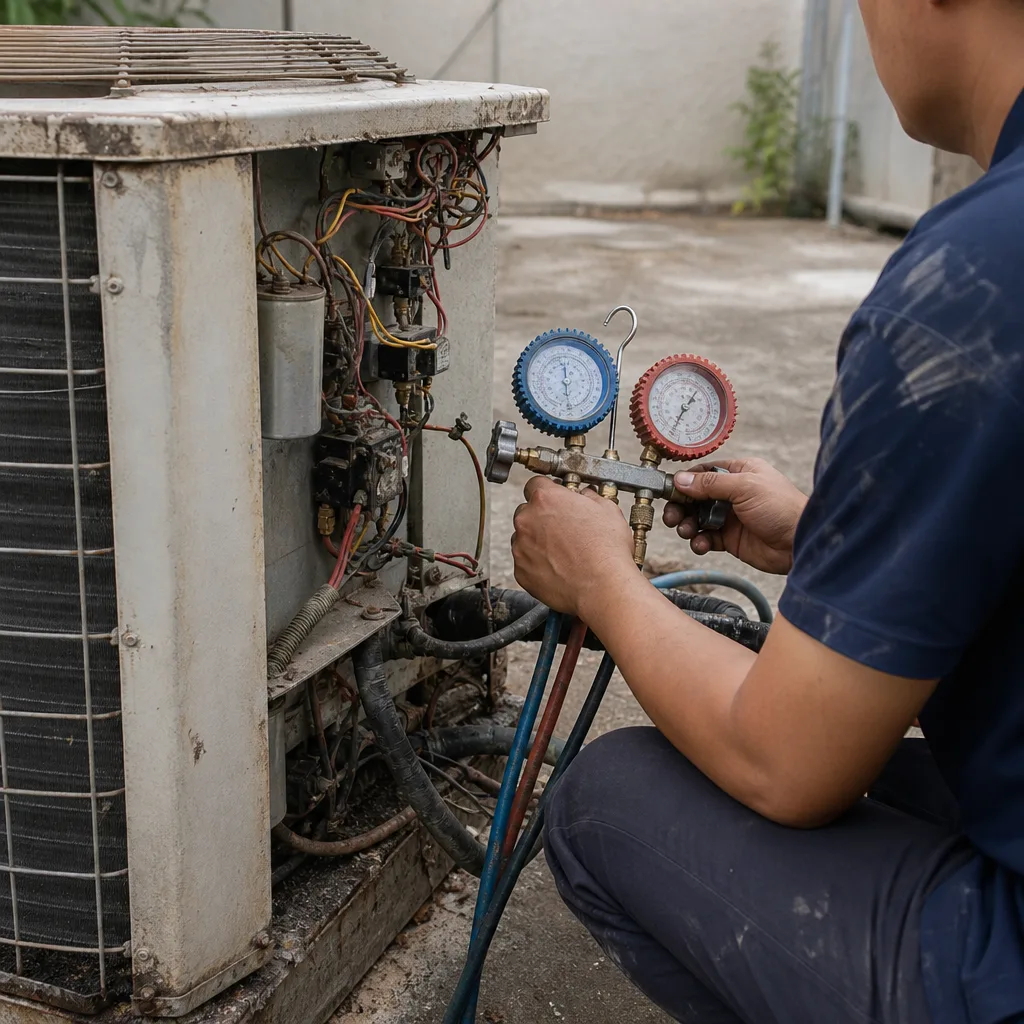 Before
 After
 Before
 After
 Before
 After
Common Mistakes to Avoid
- Buying refrigerant online and adding it yourself. This is the mistake we see most often, and it’s the one with the clearest legal consequence. It’s a federal violation under the EPA’s Section 608 rules, and it frequently leads to overcharged systems that fail prematurely.
- Sealing ducts with standard foil tape. The tape’s adhesive fails fast in South Florida humidity and heat. Use mastic or a mastic-and-mesh combination, and seal at every joint you can reach from the attic hatch.
- Re-pitching a condensate line without enough fall. A shallow pitch works most of the year and then fails during the rainy season. If you’re not confident about the trap and the correct fall for your unit, call a professional.
- Ignoring the float switch. When the system shuts off and won’t restart, check the float switch before you call. It’s a common cause of a system that looks dead but isn’t.
- Replacing the thermostat as a first step rather than a last one. Most thermostat failures in Coral Springs are actually a clogged drain or a tripped float switch. Check those first, and make sure the replacement is compatible with your system’s control setup before you pull the old one off.
- Forgetting the filter during the rainy season. The humid months push more dust and pollen through the return, and filters load faster than you’d expect. Check monthly rather than quarterly.
- Assuming a brand name means the install was done correctly. Even a top-tier brand like a Lennox or a Rheem unit can fail early if the installation cut corners. Warranty only protects what was installed correctly.
Frequently Asked Questions
No. A full system replacement requires a state-licensed HVAC contractor and a permit from Broward County. The work includes refrigerant handling, high-voltage reconnection, and a load calculation to size the equipment correctly, none of which are within a homeowner’s legal scope regardless of experience. Call (833) 501-2993 for a free estimate on the installation.
A like-for-like low-voltage thermostat swap is legal for a homeowner. The line is the electrical panel and the sealed refrigerant system, both of which require licensed professionals. If you’re switching to a smart thermostat and aren’t sure whether your system has the right wiring, we can confirm it during a service call.
Yes, in almost every case. All nine of the brands we work on (Carrier, Trane, Lennox, Goodman, Rheem, York, Daikin, Bryant and American Standard) write warranty terms that require installation and service by a licensed contractor. Improperly handling refrigerant, overcharging the system, or installing the wrong component can void both the parts and the labor warranty. A free estimate is cheaper than losing coverage on a new system.
Filter replacement, condensate drain flushing, outdoor coil rinsing and clearing debris around the condenser are all legal and worthwhile for a homeowner. Do those consistently and you’ll prevent most of the issues we see. Anything that touches the refrigerant circuit, the electrical panel or a full replacement needs a licensed technician.
A full system replacement typically requires a permit, and repairs that involve refrigerant, electrical or structural changes often do as well. The safest approach is to ask the Broward County building department what applies to your specific job, or call us and we’ll tell you what a permitted job involves. Unpermitted work can surface during a home sale and cost more to resolve later than the permit would have cost upfront.
Yes, same-day service is part of what we do. We answer 24/7. Fast dispatch from 7am to 7pm, Sunday through Friday. A call outside dispatch hours is booked into the next opening, Sunday through Friday, 7am to 7pm. Call (833) 501-2993 and we’ll get you on the schedule.
Usually yes, if the repair is a common component failure and the system is otherwise in good condition. A full replacement makes more sense when the compressor or coil has failed, when refrigerant leaks repeat, or when the system is oversized or undersized for the home. Our technicians will give you the honest cost-benefit rather than defaulting to whichever option benefits a narrow service menu, and you’ll get the reasoning in writing. Call (833) 501-2993 for a free estimate.
The Bottom Line
In Coral Springs, the DIY-versus-professional decision starts with Florida law, not with the size of your toolbox. Change your filters, flush your drain line, rinse your outdoor coil and swap your thermostat if you’re comfortable with low-voltage work. Everything else, from refrigerant handling to full replacements, needs a licensed technician and often a permit. The consequences of crossing that line aren’t just about a job going wrong: they include voided warranties, unpermitted work showing up at a home sale, and insurance claims that get denied after the fact. If you’re not sure which side of the line you’re on, a free estimate costs you nothing. Clover AC Repair serves homeowners throughout Coral Springs with Clover AC Repair team available across the nine major HVAC brands. Call (833) 501-2993. We answer 24/7. Fast dispatch from 7am to 7pm, Sunday through Friday.
Written by the team at Clover AC Repair.